
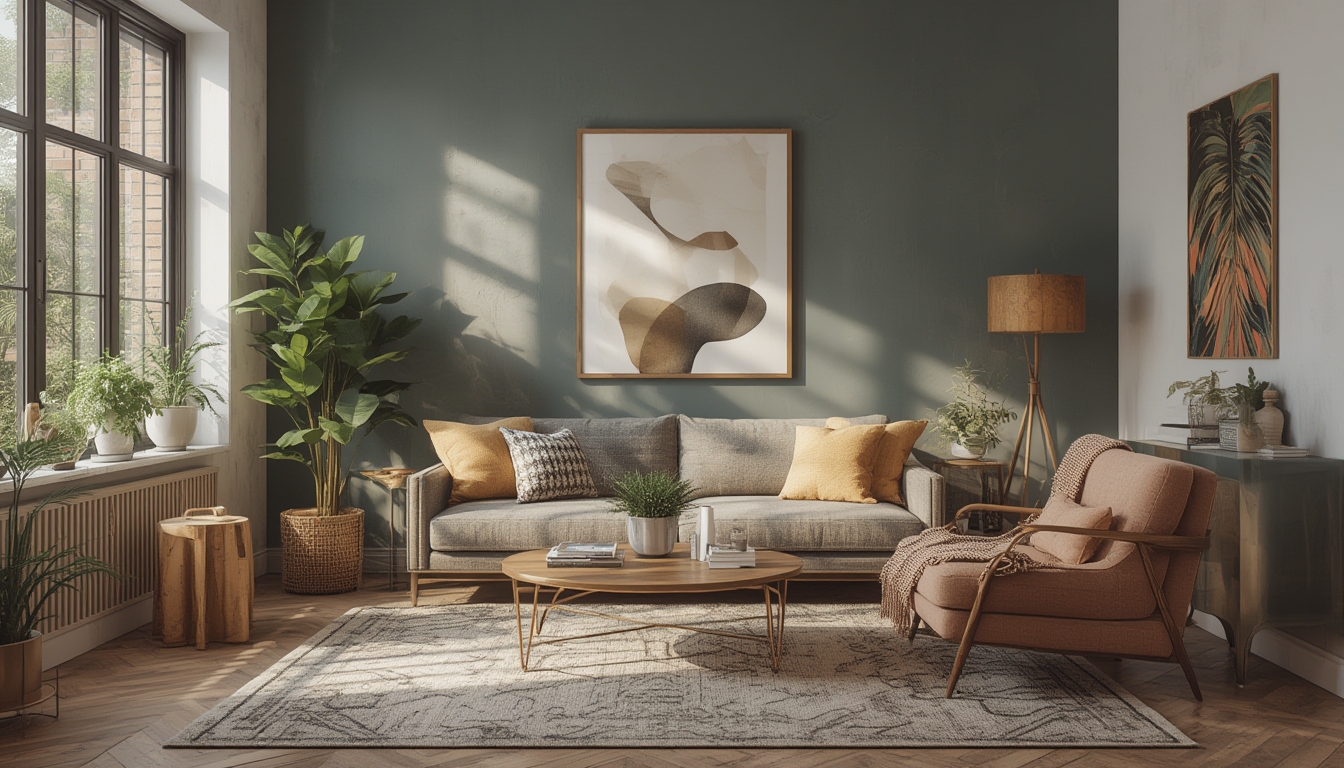
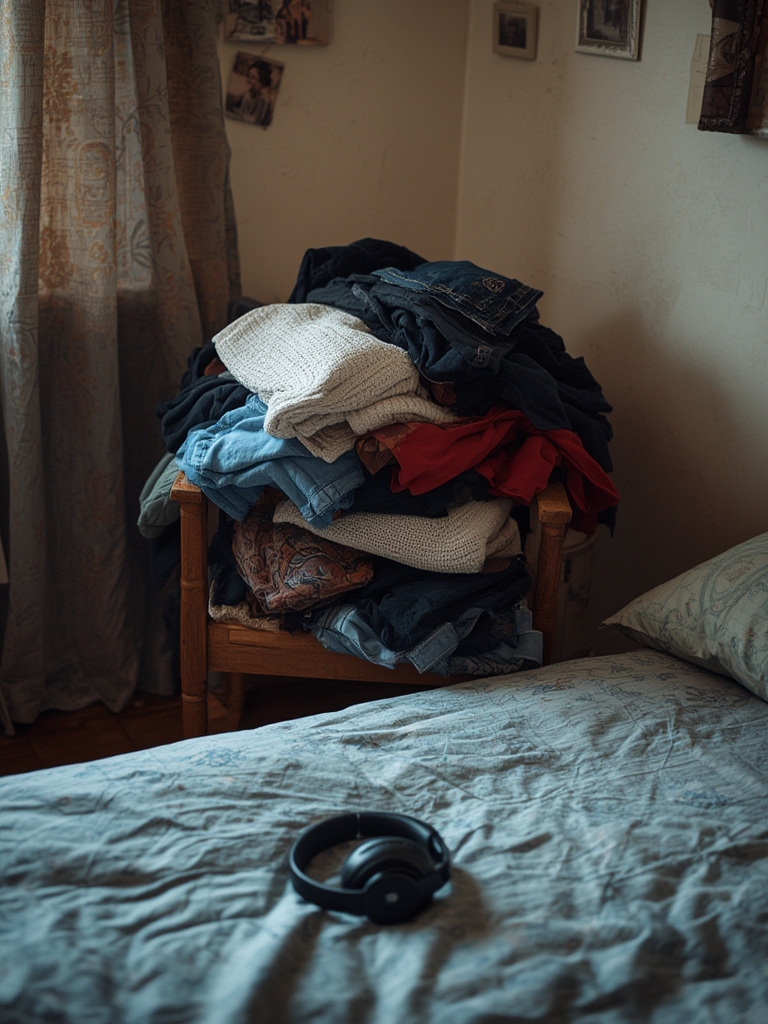
When we step into a room, the colors, textures, and layout silently influence our mood, stress levels, and overall sense of well‑being. Recent research from the University of Michigan shows that people exposed to natural wood tones and soft, muted palettes report a 23 % reduction in cortisol, the stress hormone, compared with stark, high‑contrast environments. By understanding the psychology behind décor and applying a few intentional styling steps, you can transform any space into a sanctuary that supports mental health, productivity, and emotional balance.
Why Decor Psychology Matters for Wellness
Decor psychology explores how visual and tactile elements affect our brain’s limbic system—the center for emotion and memory. A 2022 meta‑analysis of 42 studies found that:
- Blue hues improve focus and lower heart rate by up to 15 %.
- Green environments boost creative problem‑solving by 12 %.
- Cluttered spaces increase perceived stress by 30 %.
- Natural materials (wood, stone, plants) trigger a “biophilic response,” which can lower blood pressure.
These findings give us a data‑driven foundation for designing rooms that do more than look good—they actively nurture the body and mind.
Step‑by‑Step Guide to Styling a Wellness‑Focused Living Area
Step 1: Conduct a Quick Space Audit
Tools needed: measuring tape, notebook, camera (optional).
- Measure the floor area, ceiling height, and window dimensions.
- Photograph the current layout from each corner.
- Note existing colors, textures, and any items that cause visual clutter.
Actionable tip: Write down the three emotions you want the room to evoke (e.g., calm, energized, grounded). This will guide every subsequent decision.
Step 2: Choose a Wellness‑Centric Color Palette
Tools needed: paint swatches, color‑matching app, small paint sample pots.
- Start with a base of muted neutrals (warm greys, soft beiges) to create a calming backdrop.
- Add accent colors that align with your emotional goals: soft blues for focus, sage greens for relaxation, or gentle terracotta for warmth.
- Test each color on a 4×4 inch patch of wall; observe how it changes with natural light throughout the day.
Data point: According to Pantone’s 2023 Color Impact Report, “Serenity Blue” and “Nature Green” are the top hues linked to reduced anxiety in indoor settings.
Step 3: Incorporate Natural Materials and Textures
Tools needed: sandpaper (fine grit), wood sealant, fabric swatches, indoor plant pots.
- Wooden furniture: If you have a dated wooden coffee table, sand it lightly and apply a low‑VOC sealant to preserve its natural grain.
- Textile layers: Add a woven jute rug, linen throw pillows, and a chunky knit blanket. These tactile variations signal safety to the brain.
- Plants: Choose low‑maintenance species such as snake plant, pothos, or ZZ plant. Place them at eye level to maximize the biophilic effect.
Actionable tip: Aim for a 1:1 ratio of hard surfaces (wood, metal) to soft surfaces (fabric, plants) to balance visual weight and sensory input.
Step 4: Declutter and Curate Meaningful Objects
Tools needed: storage bins, label maker, donation box.
- Sort items into three categories: keep, store, donate.
- Store rarely used items in clear bins with labels; place them in closets or under beds.
- Curate decorative objects that hold personal significance (e.g., travel souvenirs, family photos) and limit the total number to no more than five focal pieces.
Research from the Journal of Environmental Psychology (2021) shows that a “curated minimalism” approach reduces visual noise and improves sleep quality by 18 %.
Step 5: Optimize Lighting for Mood Regulation
Tools needed: dimmable LED bulbs, smart light switch, floor lamp with warm‑tone shade.
- Daylight: Position work areas near windows to capture natural light, which regulates circadian rhythms.
- Ambient lighting: Use warm‑white (2700‑3000 K) LEDs for evening relaxation zones.
- Task lighting: Add a focused desk lamp with adjustable brightness for reading or creative work.
Data insight: A 2020 study by the Lighting Research Center found that dimmable lighting can lower perceived stress by 14 % compared with static lighting.
Step 6: Add Sensory Wellness Elements
Tools needed: essential oil diffuser, sound machine or playlist, soft‑touch cushions.
- Scents: Diffuse lavender or eucalyptus for calming effects; limit usage to 30 minutes to avoid olfactory fatigue.
- Sound: Play low‑frequency ambient tracks (e.g., rain, forest) at 40‑50 dB to promote relaxation.
- Tactile comfort: Place a plush floor cushion or a memory‑foam seat pad in a reading nook.
According to a 2023 Harvard Health Review, multi‑sensory environments improve mood stability in 67 % of participants after a two‑week trial.
Putting It All Together: A Sample Room Transformation Timeline
Below is a realistic 7‑day schedule that blends the steps above into a manageable project.
| Day | Task | Estimated Time |
|---|---|---|
| 1 | Space audit & emotion mapping | 1 hour |
| 2 | Color testing & final palette selection | 2 hours |
| 3 | Paint walls (base color) | 3 hours |
| 4 | Sand & seal wooden furniture | 2 hours |
| 5 | Declutter, store, and curate décor | 2 hours |
| 6 | Install lighting, place plants, add textiles | 2 hours |
| 7 | Introduce sensory elements & final walkthrough | 1 hour |
By following this timeline, you’ll see a measurable shift in how the space feels—often reported as “lighter,” “more inviting,” and “easier to focus in.”
Maintaining the Wellness‑Focused Aesthetic
Creating a health‑supportive environment is an ongoing practice. Here are three quick weekly habits to keep the space aligned with your well‑being goals:
- One‑minute tidy: At the end of each day, spend 60 seconds returning items to their designated spots.
- Refresh the scent: Rotate essential oils every week to prevent habituation.
- Light check: Adjust dimmer settings each evening to match your bedtime routine.
When these habits become routine, the room continues to act as a silent therapist—supporting calm, focus, and joy long after the initial styling project is complete.