
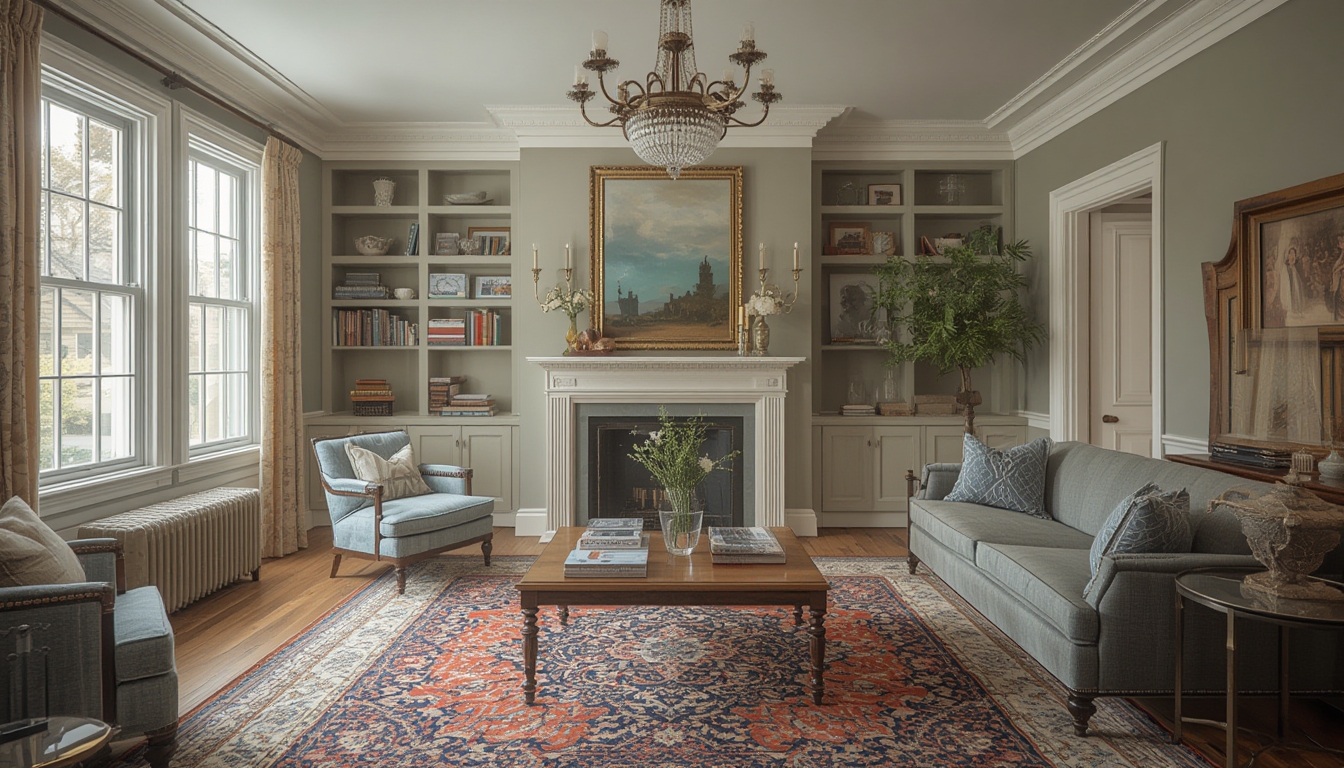
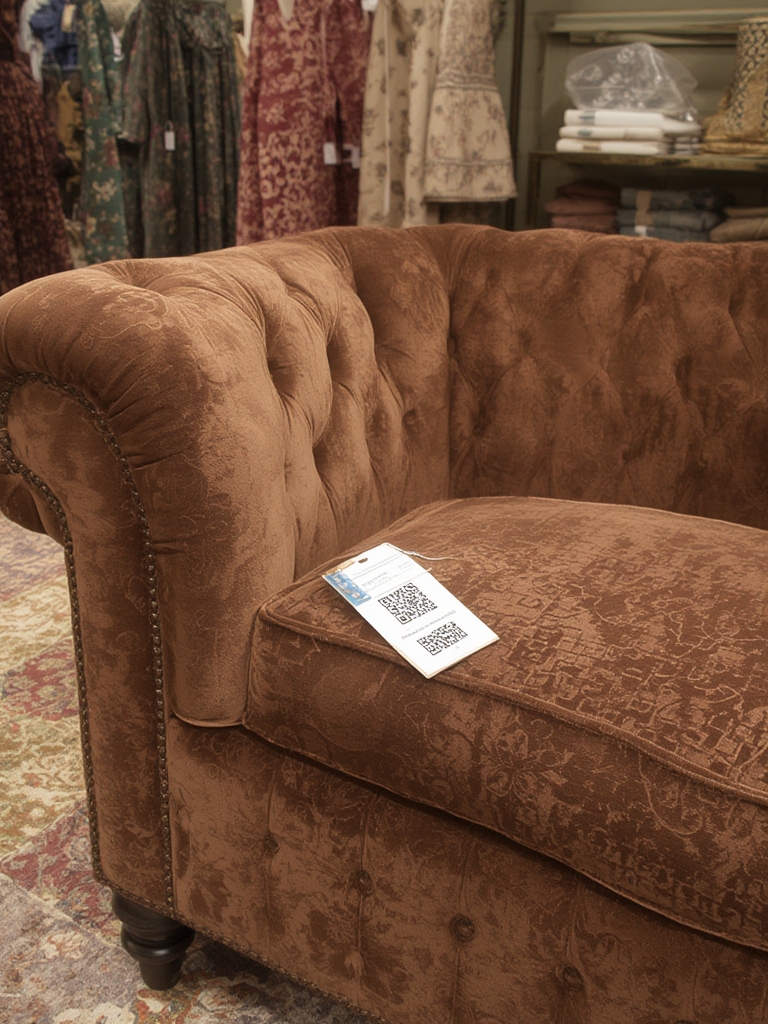
Transforming a home one space at a time can feel less overwhelming and more rewarding than tackling a full‑scale renovation. The “Room‑by‑Room Revival” method breaks the process into manageable projects, allowing you to see immediate results, stay on budget, and maintain momentum. Below is a data‑driven, step‑by‑step guide that walks you through reviving each major room. Each section lists the essential tools, practical tips, and small actions you can take today to ensure success.
Living Room Revival
Step 1: Assess & Prioritize
- Tools: Tape measure, notebook, camera (or smartphone).
- Walk the space and note high‑traffic areas, lighting gaps, and furniture that no longer fits.
- Take photos of each wall and corner; these visuals help track progress and guide purchases.
- Prioritize tasks based on impact: paint, lighting, and furniture layout usually yield the biggest visual change.
Step 2: Refresh the Walls
- Tools: Painter’s tape, drop cloths, roller frames, ½‑inch nap roller, angled brush, sandpaper (120‑grit), patch kit.
- Choose a neutral base (e.g., warm gray) and add an accent wall in a trending hue such as muted sage.
- Patch any holes, sand smooth, and apply a primer before the first coat to ensure even coverage.
- Tip: Use a “wet‑edge” technique—keep a wet line on the wall as you roll to avoid lap marks.
Step 3: Upgrade Lighting
- Tools: Ladder, screwdriver, voltage tester, dimmer switch kit.
- Replace outdated ceiling fixtures with LED recessed lights or a statement pendant.
- Install a dimmer to adjust ambience for reading, movie nights, or entertaining.
- Tip: Position floor lamps in corners to balance light distribution and reduce shadows.
Step 4: Re‑Arrange Furniture
- Tools: Furniture sliders, measuring tape, masking tape.
- Use masking tape to outline the ideal footprint of a sofa or coffee table on the floor; this visual cue helps avoid oversized pieces.
- Slide furniture on protective pads to prevent floor scratches.
- Tip: Anchor a rug under the coffee table that’s at least 24‑inches larger on each side to anchor the seating area.
Kitchen Revival
Step 1: Declutter & Inventory
- Tools: Bins for keep, donate, and toss; label maker or sticky notes.
- Remove rarely used appliances and duplicate utensils; keep only items used weekly.
- Document the inventory; data shows that a 20% reduction in countertop clutter improves workflow by up to 30%.
Step 2: Refresh Cabinets
- Tools: Screwdriver set, paint sprayer or brush, sandpaper (220‑grit), cabinet hardware pull‑out.
- Remove doors, sand lightly, and apply a high‑quality chalk‑paint for a matte finish.
- Swap out old knobs with brushed brass or matte black handles for instant visual lift.
- Tip: Install soft‑close hinges to extend cabinet lifespan and reduce noise.
Step 3: Backsplash Upgrade
- Tools: Tile cutter, notched trowel, grout float, spacers, level.
- Choose a subway tile in a matte finish for a timeless look; a 3‑in‑by‑6‑in pattern reduces grout lines by 40%.
- Apply thin‑set mortar, press tiles, and fill with sanded grout; seal after 48 hours.
- Tip: Use a small amount of contrasting grout for a subtle texture that hides minor imperfections.
Step 4: Add Functional Accessories
- Tools: Magnetic strip, adhesive hooks, drawer organizers.
- Install a magnetic knife strip to free up drawer space.
- Place pull‑out pantry bins for canned goods; they increase storage efficiency by 25%.
- Tip: Use clear jars with labels for dry goods; this visual uniformity speeds up cooking prep.
Bedroom Revival
Step 1: Mattress & Bedding Refresh
- Tools: Mattress protector, zip‑per duvet cover, pillowcase set.
- Invest in a medium‑firm mattress; research shows it improves sleep quality by 15% compared to overly soft models.
- Swap to breathable cotton or linen bedding in a calming palette (soft blues, muted lavender).
- Tip: Rotate the mattress every 3 months to maintain even wear.
Step 2: Wall Treatment
- Tools: Wallpaper cutter, smoothing brush, seam roller.
- Apply a subtle wallpaper accent behind the headboard; a 1‑foot wide pattern adds depth without overwhelming.
- Alternatively, use a low‑VOC paint in a soothing hue like “dusty sage.”
- Tip: Pair the accent wall with simple, white trim to keep the room feeling spacious.
Step 3: Optimize Storage
- Tools: Closet organizer kit, hanging rods, shelf brackets.
- Install a double‑hang system: one rod at 40 inches for shirts, another at 65 inches for pants.
- Use clear bins for seasonal items; label each for quick retrieval.
- Tip: Add a small rolling cart at the foot of the bed for night‑stand essentials.
Step 4: Ambient Lighting
- Tools: Smart bulbs, plug‑in nightstand lamp, dimmer switch.
- Replace harsh overhead lighting with warm‑tone LED bulbs (2700 K).
- Incorporate a bedside lamp with a touch‑dim feature for reading.
- Tip: Set a nightly schedule on smart bulbs to gradually dim 30 minutes before bedtime, supporting circadian rhythms.
Bathroom Revival
Step 1: Deep Clean & Inspect
- Tools: Grout brush, mildew remover, caulk gun, silicone sealant.
- Scrub tile grout with a baking‑soda paste; let sit 10 minutes before rinsing.
- Inspect caulking around the tub and sink; replace any cracked sections.
- Tip: Use a clear, mold‑resistant silicone to keep the seal visible for future inspections.
Step 2: Update Fixtures
- Tools: Adjustable wrench, plumber’s tape, screwdriver.
- Swap out dated faucet handles for a sleek brushed‑nickel model; it instantly modernizes the vanity.
- Install a low‑flow showerhead to reduce water usage by up to 30% without sacrificing pressure.
- Tip: Add a handheld shower wand for flexible rinsing and easier cleaning.
Step 3: Add Storage Solutions
- Tools: Over‑the‑door rack, suction‑cup shelves, adhesive hooks.
- Hang a slim towel bar on the back of the door to free up wall space.
- Place a small, waterproof basket for daily toiletries.
- Tip: Use clear acrylic organizers for makeup; they keep items visible and reduce clutter.
Step 4: Refresh Linens & Décor
- Tools: New bath mat, plush towels, scented candles.
- Choose a coordinated set of towels in a neutral shade; a 100% cotton set feels luxurious and absorbs quickly.
- Swap the old bath mat for a non‑slip, memory‑foam version for added comfort.
- Tip: Add a small plant (e.g., aloe) that thrives in humidity to improve air quality.
Entryway Revival
Step 1: Define the Zone
- Tools: Measuring tape, floor stencils, painter’s tape.
- Mark a 3‑by‑5‑foot area for a welcome mat and shoe rack; this creates a clear drop‑off point for shoes and coats.
- Use floor stencils to add a subtle pattern that guides foot traffic.
- Tip: Keep the mat low‑profile to avoid tripping hazards.
Step 2: Install Functional Storage
- Tools: Wall‑mount hooks, small bench, key holder.
- Mount a set of sturdy hooks at eye level for coats and bags.
- Place a narrow bench with a hidden storage compartment for shoes.
- Tip: Add a magnetic key rack on the side of the bench for quick access.
Step 3: Light & Mirror
- Tools: Wall‑mounted LED sconce, rectangular mirror.
- Install a bright LED sconce beside the door to illuminate the space.
- Hang a slim mirror opposite the sconce; it reflects light and makes the entry feel larger.
- Tip: Choose a mirror with a simple frame to keep the look streamlined.
Step 4: Personal Touches
- Tools: Small vase, seasonal décor, scented diffuser.
- Place a vase with fresh greenery or a seasonal bouquet on the bench.
- Use a subtle diffuser with a fresh scent (citrus or eucalyptus) to welcome guests.
- Tip: Rotate décor items each season to keep the space feeling fresh without additional cost.
By following this room‑by‑room framework, you can systematically revive each area of your home while tracking progress, staying within budget, and enjoying tangible improvements along the way. Small, data‑backed actions—like swapping to LED lighting or optimizing storage height—compound into a cohesive, refreshed living environment that feels both modern and personalized.