
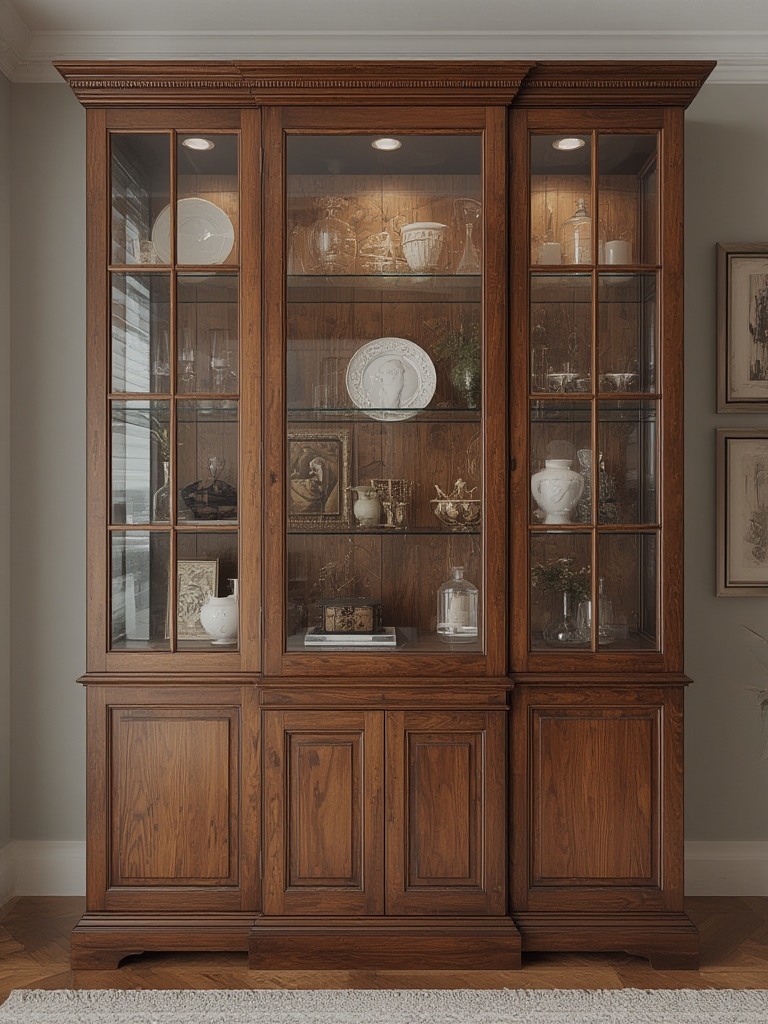
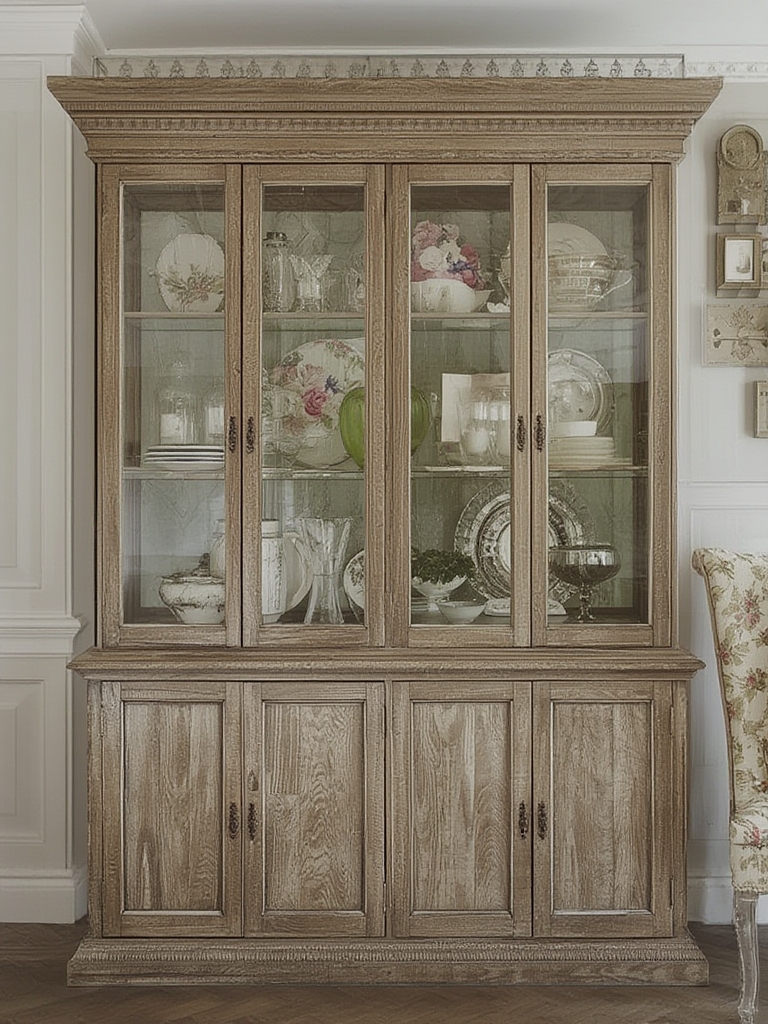
Creating a stunning glass‑cabinet display is a simple yet powerful way to elevate any room’s aesthetic while showcasing your favorite décor pieces and plants. Below you’ll find a data‑driven, step‑by‑step guide that blends design principles with practical plant‑care tips, ensuring your cabinet looks polished and your greenery thrives.
Why a Glass Cabinet?
According to a recent Statista survey, 68% of interior‑design enthusiasts prefer glass‑front storage for its ability to highlight décor while keeping clutter hidden. The transparent panels create a visual “showcase” effect, making even modest items feel premium.
Choosing the Right Items for Your Display
1. Balance Color and Texture
Data from Houzz*’s 2023 trend report shows that rooms with a balanced mix of matte and glossy finishes score 23% higher on perceived elegance. Pair smooth ceramics with textured woven baskets, and intersperse metallic accents for a dynamic look.
2. Incorporate Varied Heights
Eye‑tracking studies reveal that viewers naturally scan from top to bottom. Use risers, stacked books, or decorative trays to create multiple visual layers. Aim for at least three height tiers to keep the eye moving.
3. Add a Focal Point
Choose one standout piece—such as a vintage vase, a sculptural object, or a striking plant—to anchor the display. Position it at eye level (≈57‑60 inches from the floor) for maximum impact.
Plant Selection: The Green Touch
Plants not only add life but also improve indoor air quality. Here are three low‑maintenance options that thrive behind glass:
Succulents (e.g., Echeveria, Haworthia)
- Light: 6‑8 hours of bright, indirect sunlight.
- Water: Water once every 2‑3 weeks; let soil dry completely between waterings.
- Soil: Use a cactus‑mix with excellent drainage.
Air Plants (Tillandsia)
- Light: Bright, filtered light; avoid direct sun.
- Water: Mist 2‑3 times daily or soak for 30 minutes weekly.
- Mounting: Secure with decorative wire or driftwood for visual interest.
Ferns (Boston Fern, Maidenhair Fern)
- Light: Indirect, moderate light.
- Water: Keep soil consistently moist; mist daily.
- Humidity: Aim for 50‑70%—place a small pebble tray with water inside the cabinet.
Step‑by‑Step Setup Guide
Step 1: Clean the Glass Panels
Start with a streak‑free surface. Mix equal parts distilled water and white vinegar, spray, and wipe with a lint‑free microfiber cloth. Clean the glass weekly to maintain clarity.
Step 2: Lay a Base Layer
Use a thin, non‑slip mat (e.g., cork or silicone) to protect the cabinet floor and prevent items from shifting. This also adds a subtle texture that can be painted or stained to match your décor theme.
Step 3: Position Larger Items First
Place books, trays, or decorative boxes on the base layer. Align them along the cabinet’s vertical edges to create a sense of order. Use a ruler or laser level to keep spacing consistent—aim for 1‑2 inches between objects.
Step 4: Add Plant Containers
Choose containers that complement the overall color palette. For succulents, a shallow white ceramic pot works well; for air plants, a hanging glass orb adds visual intrigue. Ensure each pot has drainage holes or a layer of pebbles to avoid water pooling.
Step 5: Arrange Mid‑Height Décor
Insert mid‑size pieces—such as a vintage camera, a small sculpture, or a stack of art books—between the larger items. This creates depth and prevents the display from looking “top‑heavy.”
Step 6: Finish with Small Accents
Scatter tiny objects like seashells, brass pins, or scented candles on the top shelf. These details draw the eye upward and add personality.
Step 7: Optimize Light and Humidity
Place the cabinet near a window that receives bright, indirect light. If natural light is limited, install a low‑heat LED strip along the interior top edge. For ferns, add a small humidifier or a pebble tray to maintain moisture levels.
Maintenance Routine for Longevity
Weekly Checks
- Dust the glass with a dry microfiber cloth.
- Rotate plants 90° to ensure even light exposure.
- Inspect decorative items for dust buildup; gently wipe with a soft brush.
Monthly Deep Clean
- Remove all items, clean the interior glass with the vinegar solution, and dry thoroughly.
- Re‑pot any plants showing root crowding—use fresh, well‑draining soil.
- Replace any faded or broken décor pieces to keep the display fresh.
SEO Tips to Boost Your Blog Post
To ensure this guide ranks well on Google, incorporate the following SEO best practices:
- Keyword Placement: Use “glass cabinet display ideas,” “glass cabinet décor,” and “indoor plant care” in the first 100 words, H2 headings, and meta description.
- Internal Links: Link to related posts on “small space décor” and “low‑maintenance indoor plants.”
- Image Optimization: Include high‑resolution photos with descriptive alt text (e.g., “succulent in glass cabinet with driftwood accents”). Compress images for fast loading.
- Schema Markup: Add
ArticleandFAQschema to improve rich‑snippet visibility.
Final Thoughts
A well‑curated glass cabinet can become the centerpiece of any room, marrying style with functionality. By following the data‑backed design steps and plant‑care guidelines above, you’ll create a display that not only looks gorgeous but also stays vibrant for years to come. Remember: consistency in cleaning, thoughtful arrangement, and proper plant maintenance are the three pillars of a flawless glass‑cabinet showcase.