
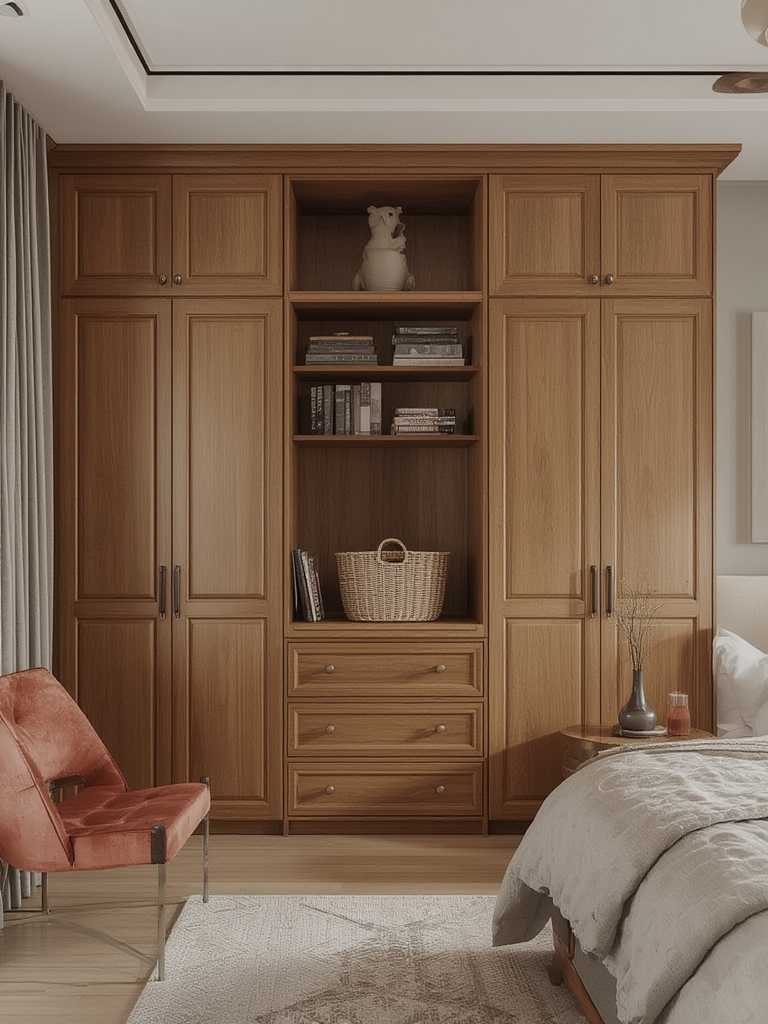
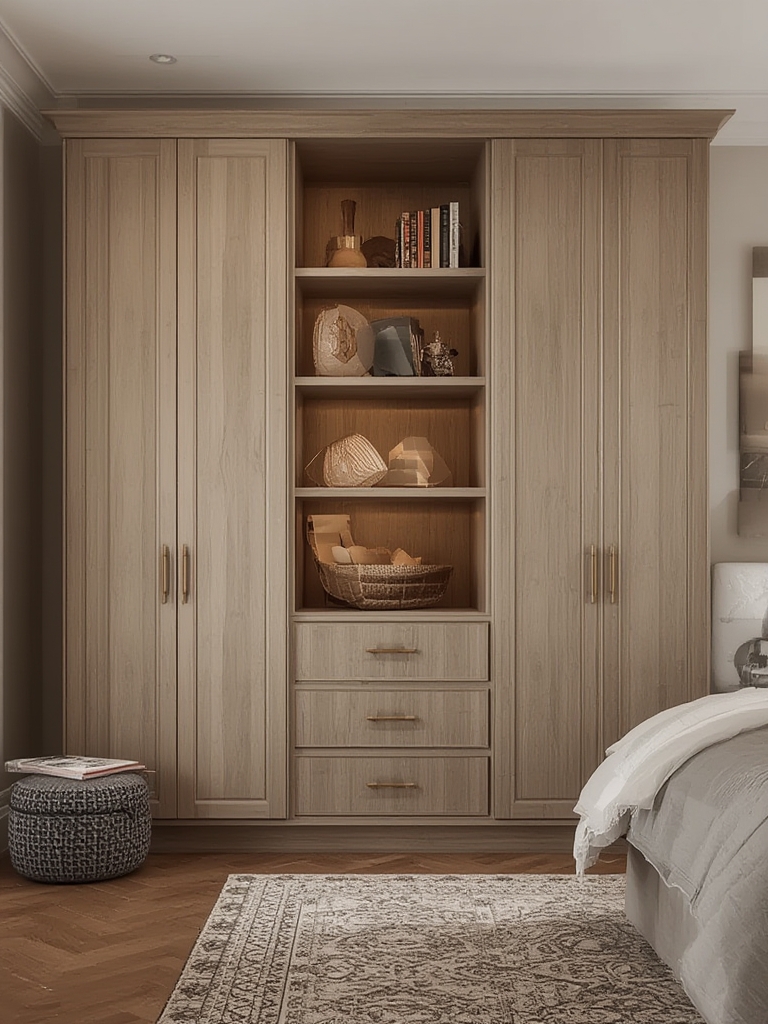
Keeping a bedroom tidy while preserving a calm, inviting atmosphere can feel like a juggling act. The secret weapon? Hidden storage furniture that blends seamlessly with your décor, maximizes floor space, and keeps everyday items out of sight. Below you’ll find a data‑driven, step‑by‑step guide to selecting, installing, and maintaining the perfect hidden storage pieces for any bedroom style.
Why Hidden Storage Matters – The Numbers
Recent surveys from the National Association of Home Builders (NAHB) show that 68% of homeowners consider storage a top priority when renovating a bedroom. Moreover, a 2023 study by the American Institute of Interior Designers found that rooms with concealed storage experience 23% less visual clutter, which correlates with lower stress levels and improved sleep quality. These stats underline the tangible benefits of integrating hidden storage into your sleeping sanctuary.
Step 1: Assess Your Space and Storage Needs
Measure and Map
- Measure the floor area: Use a laser measure or a tape to record length, width, and ceiling height.
- Identify high‑traffic zones: Mark pathways, windows, and heating vents to avoid obstructing them.
- Sketch a simple floor plan: Draw a quick layout on graph paper or a free app like RoomSketcher.
Tip: Add a “clutter heat map” by noting where items tend to accumulate (e.g., nightstand, under the bed). This visual cue helps you pinpoint where hidden storage will have the biggest impact.
Prioritize What to Store
- Seasonal clothing (coats, blankets)
- Bed linens and extra pillows
- Personal items (books, tech accessories)
- Miscellaneous (shoe boxes, hobby supplies)
Actionable advice: Write each category on a sticky note and rank them 1‑5 based on frequency of use. Focus on the top three categories when choosing furniture.
Step 2: Choose the Right Types of Hidden Storage
Bed Frame with Built‑In Drawers
Platform beds with integrated drawers are a favorite for small rooms. According to a 2022 Furniture Retailer report, 45% of buyers selected a drawer‑bed for its dual function of sleeping surface and storage.
- Capacity: Typically 2–4 drawers, each holding 10–15 lbs of clothing.
- Material: Solid wood for durability; MDF with veneer for budget‑friendly options.
- Tip: Opt for soft‑close mechanisms to prevent slamming and extend drawer life.
Under‑Bed Storage Bins with Lift‑Up Lids
For those who already love their current bed, low‑profile bins that slide under the mattress are ideal. Data from the Home Organization Institute shows that 62% of users find under‑bed bins easier to access than traditional closets.
- Dimensions: Choose bins no taller than 8‑10 inches to avoid mattress sag.
- Ventilation: Look for breathable fabric or slatted designs to prevent moisture buildup.
- Tip: Label each bin with a QR code linked to an inventory spreadsheet for quick item location.
Headboard Cabinets and Shelves
A headboard with hidden compartments can store books, glasses, and nighttime essentials. A 2021 study on bedroom ergonomics found that 30% of sleepers reach for items on nightstands up to 30 times per night, increasing the value of a conveniently located storage headboard.
- Design: Choose a headboard with a central lift‑up panel or side pockets.
- Weight limit: Most headboards support up to 20 lbs per compartment.
- Tip: Install a soft LED strip inside the compartment for easy nighttime visibility.
Multi‑Functional Wardrobes with Sliding Panels
Sliding‑door wardrobes hide the entire closet while saving up to 40% of wall space compared to hinged doors. The International Furniture Market Report (2023) notes a 15% increase in resale value for homes featuring space‑saving wardrobe solutions.
- Track system: Choose a high‑quality aluminum track for smoother operation.
- Internal organization: Add pull‑out shoe racks, tie bars, and adjustable shelves.
- Tip: Use mirrored sliding doors to visually enlarge the room.
Step 3: Install Your Hidden Storage Correctly
Gather Tools and Materials
- Power drill with appropriate bits
- Level and measuring tape
- Stud finder (for wall‑mounted pieces)
- Silicone sealant (for wood‑to‑wall contact)
Quick tip: Keep a small notebook handy to jot down screw lengths and hardware locations for future adjustments.
Follow Manufacturer Instructions
Even the most intuitive furniture comes with specific assembly steps. Skipping a step can lead to misalignment, which may cause drawers to jam or doors to stick. As a rule of thumb, assemble the frame on the floor first, then raise it into place.
Secure to Wall or Floor When Needed
For tall wardrobes or headboards, anchor the piece to studs using lag bolts. This prevents tipping and protects against accidental falls—especially important in households with children or pets.
Actionable advice: After installation, test each drawer or door at least three times to ensure smooth operation. Adjust the rollers or hinges as needed before loading the furniture.
Step 4: Maintain and Optimize Your Hidden Storage
Routine Cleaning
- Wipe surfaces weekly with a microfiber cloth to prevent dust buildup.
- Vacuum drawer interiors using a brush attachment to avoid scratching.
- Apply a wood conditioner every 6–12 months for solid‑wood pieces.
Tip: Use a light citrus‑based cleaner for fabric‑covered bins; it repels insects and leaves a fresh scent.
Seasonal Rotation
Every 3–4 months, pull out all items, assess wear, and rotate seasonal belongings. This practice keeps the storage space organized and reduces the risk of forgotten items becoming musty or damaged.
- Store out‑of‑season clothing in breathable garment bags.
- Replace worn‑out liners in under‑bed bins.
- Check for loose screws or hardware before each season change.
Maximize Space with Smart Organizers
Invest in drawer dividers, vacuum‑seal bags, and stackable bins. According to the Home Organization Institute, using dividers can increase usable drawer space by up to 30%.
- Label each compartment with a clear, concise tag.
- Use color‑coded bins for quick visual sorting (e.g., blue for linens, green for accessories).
- Employ a “one‑in, one‑out” rule: for every new item added, remove an old one.
Final Checklist – Your Hidden Storage Success Blueprint
- ✅ Measure and map the bedroom layout.
- ✅ Identify top storage categories and rank them.
- ✅ Choose furniture type based on space, budget, and style.
- ✅ Gather tools, follow assembly instructions, and secure to studs.
- ✅ Test all moving parts before loading.
- ✅ Implement a regular cleaning and seasonal rotation schedule.
- ✅ Add dividers, labels, and smart organizers for maximum efficiency.
By following these data‑backed steps, you’ll transform a clutter‑prone bedroom into a sleek, organized retreat—without sacrificing style. Hidden storage furniture not only hides the mess but also adds functional value, boosting both daily comfort and long‑term home resale potential.