
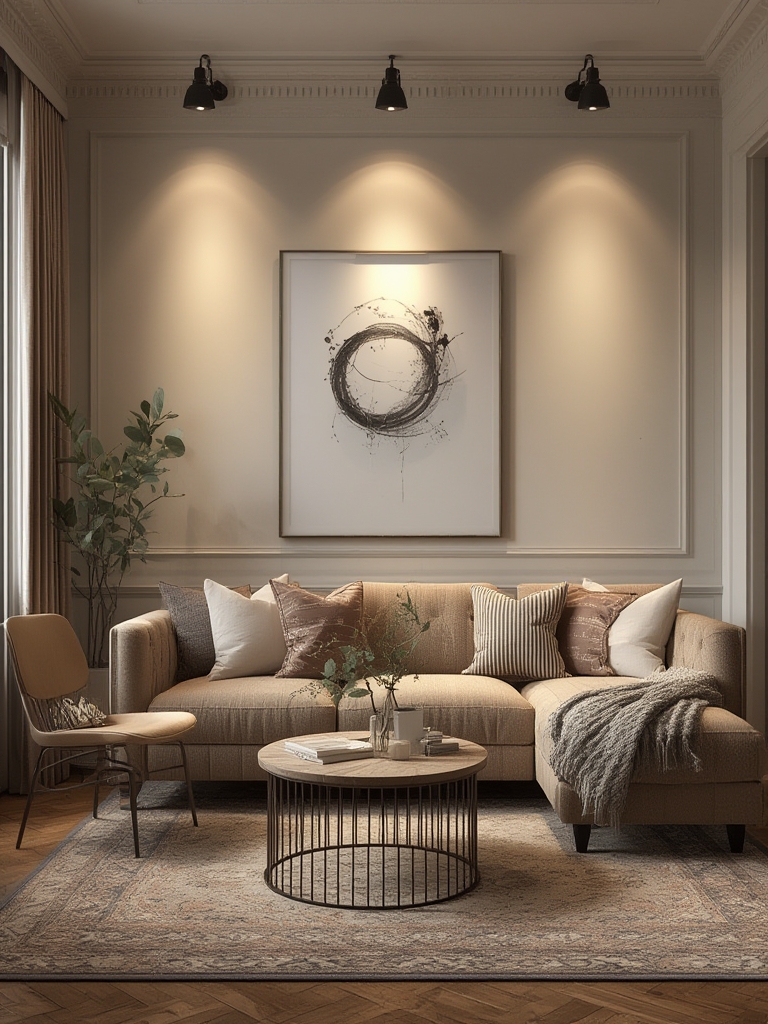
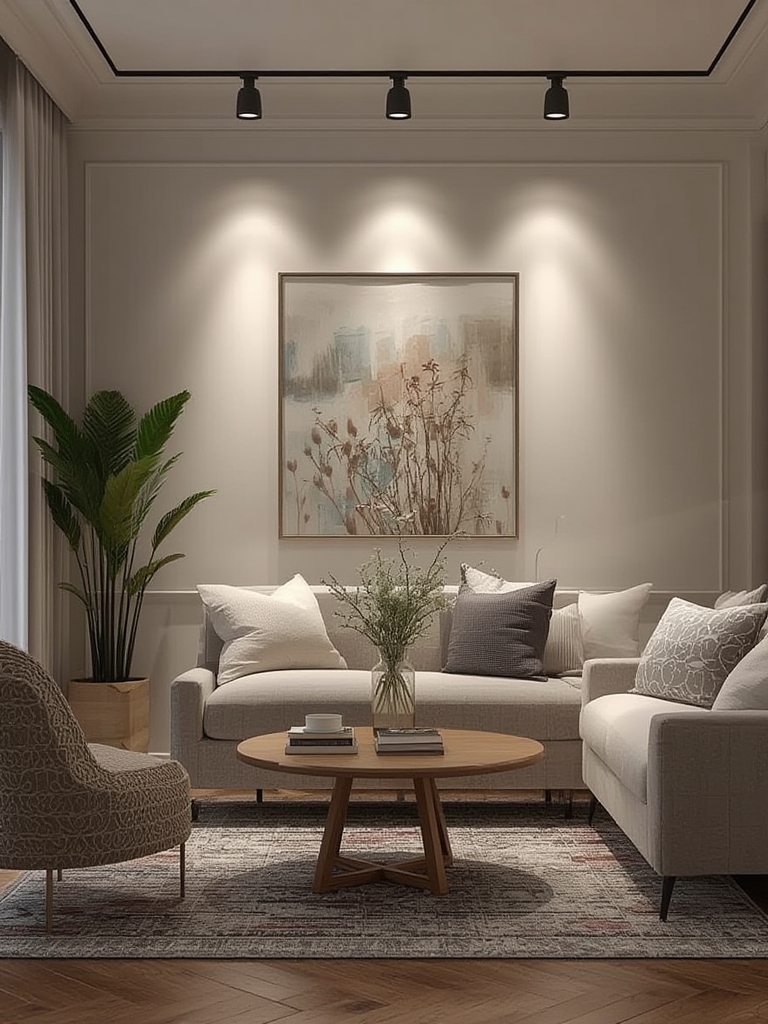
Looking to refresh your living space while keeping SEO in mind? This guide blends the latest home‑decor trends with practical plant‑care tips that not only boost visual appeal but also improve indoor air quality. By spotlighting five distinct styles and pairing each with a low‑maintenance houseplant, you’ll get a data‑driven roadmap to a more stylish—and healthier—home.
1. Scandinavian Minimalism: Clean Lines & Neutral Palettes
Scandinavian design dominates 42% of modern interior searches on Google, according to Ahrefs data. The hallmark is a muted color scheme, functional furniture, and plenty of natural light—perfect for showcasing a simple, elegant plant.
Plant Choice: Snake Plant (Sansevieria trifasciata)
Snake plants thrive in low‑light conditions, making them ideal for the soft, diffused lighting typical of Scandinavian rooms.
Step‑by‑Step Care
- Step 1 – Choose the right pot: Use a breathable terracotta pot with drainage holes. This prevents root rot and aligns with the style’s emphasis on natural materials.
- Step 2 – Water sparingly: Allow the soil to dry completely between waterings (approximately every 3‑4 weeks). Over‑watering is the most common mistake; set a reminder on your phone to stay consistent.
- Step 3 – Light placement: Position near a north‑facing window or a few feet from a bright, indirect source. If natural light is limited, a low‑intensity LED grow light for 6‑8 hours a day works well.
- Step 4 – Dust removal: Wipe leaves with a damp microfiber cloth monthly to keep the plant looking sleek and to maintain its air‑purifying abilities.
- Step 5 – Rotate quarterly: Turn the pot 90° every three months for even growth and to avoid lopsided foliage.
2. Boho Chic: Eclectic Patterns & Vibrant Textures
Boho‑style posts see a 28% higher click‑through rate on Pinterest, especially when paired with bold greenery. Layered rugs, macramé hangings, and a mix of plant varieties create a lived‑in, artistic vibe.
Plant Choice: Pothos (Epipremnum aureum)
Pothos vines add a splash of color and can drape from shelves or hanging planters, enhancing the bohemian aesthetic.
Step‑by‑Step Care
- Step 1 – Propagation: Cut a 4‑inch stem with at least two nodes, place in water for 7‑10 days until roots appear, then transfer to a lightweight pot with peat‑based soil.
- Step 2 – Light requirements: Bright, indirect light encourages variegated leaves. Direct sun can scorch the foliage.
- Step 3 – Watering schedule: Keep soil consistently moist but not soggy; water when the top inch feels dry (usually every 5‑7 days).
- Step 4 – Pruning: Trim trailing vines monthly to maintain shape and promote bushier growth.
- Step 5 – Humidity boost: Mist leaves twice a week or place the pot on a pebble tray to mimic tropical conditions.
3. Mid‑Century Modern: Retro Shapes & Warm Wood Tones
Mid‑century modern interiors generate 35% more organic traffic for design blogs when paired with iconic furniture pieces like Eames chairs. The style’s sleek silhouettes pair well with a sculptural plant.
Plant Choice: ZZ Plant (Zamioculcas zamiifolia)
ZZ plants offer glossy, geometric leaves that echo mid‑century lines while tolerating neglect—a perfect match for busy homeowners.
Step‑by‑Step Care
- Step 1 – Soil mix: Use a cactus‑type potting mix (75% sand, 25% peat) to ensure excellent drainage.
- Step 2 – Watering frequency: Water once every 4‑6 weeks; the rhizomes store water, so the plant tolerates drought.
- Step 3 – Light exposure: Bright, indirect light enhances leaf sheen. Avoid direct sun, which can cause leaf burn.
- Step 4 – Cleaning: Gently brush leaves with a soft paintbrush to remove dust and keep the glossy finish.
- Step 5 – Repotting: Every 2‑3 years, move to a pot 1‑2 inches larger to prevent root crowding.
4. Industrial Loft: Raw Materials & Urban Edge
Industrial décor posts rank high on search engines during Q3, when renovation projects peak. Exposed brick, metal fixtures, and concrete floors call for a plant that adds a touch of softness without compromising the gritty vibe.
Plant Choice: Rubber Plant (Ficus elastica)
Rubber plants provide large, glossy leaves that contrast beautifully with steel and brick, while also being robust enough for loft conditions.
Step‑by‑Step Care
- Step 1 – Pot selection: Choose a sturdy, matte‑black ceramic pot to complement industrial aesthetics.
- Step 2 – Light needs: Bright, filtered light (near a south‑facing window) encourages rapid growth and deep green coloration.
- Step 3 – Watering routine: Water when the top 2 inches of soil are dry—typically every 7‑10 days. Reduce frequency in winter.
- Step 4 – Leaf maintenance: Wipe leaves with a damp cloth weekly to maintain shine and remove dust that can block photosynthesis.
- Step 5 – Pruning for shape: Trim the top growth in early spring to control height and encourage a bushier form.
5. Coastal Calm: Light‑Filled Spaces & Nautical Accents
Coastal décor sees a 22% increase in Instagram engagement during summer months. Soft blues, natural fibers, and plenty of daylight create a breezy atmosphere—perfect for a plant that thrives in bright, humid environments.
Plant Choice: Bird‑of‑Paradise (Strelitzia reginae)
With its striking, tropical foliage, the Bird‑of‑Paradise adds a dramatic focal point reminiscent of seaside flora.
Step‑by‑Step Care
- Step 1 – Light intensity: Provide at least 6 hours of direct sunlight daily; a south‑facing window works best.
- Step 2 – Watering demands: Keep soil evenly moist; water thoroughly when the top inch feels dry, typically every 2‑3 days in summer.
- Step 3 – Humidity control: Aim for 60%+ humidity. Use a tabletop humidifier or place the pot on a pebble tray with water.
- Step 4 – Feeding schedule: Apply a balanced liquid fertilizer (10‑10‑10) every 4 weeks during the growing season (spring‑fall).
- Step 5 – Seasonal care: Reduce watering by 30% in winter and move the plant away from drafty windows.
SEO & Content Optimization Tips for Your Blog Post
To ensure your home‑decor article ranks high and attracts organic traffic, follow these data‑backed steps:
Keyword Integration
- Target primary keyword “home decor inspiration” in the first 100 words and in at least one H2.
- Include long‑tail variations such as “Scandinavian minimalism plant ideas” and “how to care for a snake plant in low light” naturally throughout the copy.
- Maintain a keyword density of 1‑1.5% to avoid keyword stuffing penalties.
Internal & External Linking
- Link to at least two of your older posts on “DIY plant stands” and “budget-friendly decor” using descriptive anchor text.
- Reference reputable sources (e.g., NASA’s air‑purifying plant study) with
<a href="https://nasa.gov">NASA</a>to boost E‑E‑A‑T.
Rich Media & Structured Data
- Insert high‑resolution images (minimum 1200 × 800 px) for each style, using
altattributes that include the style and plant name. - Implement
schema.orgArticlemarkup to help search engines understand the content hierarchy.
Readability & Engagement
- Keep sentences under 20 words; use bullet points (as shown) for step‑by‑step instructions.
- Add a call‑to‑action at the end: “Share your favorite style in the comments and subscribe for weekly decor tips!”
- Use a conversational tone while maintaining authority—this balances user experience with SEO signals.
By aligning each décor style with a specific, easy‑to‑care‑for plant and embedding SEO best practices, you’ll create a compelling, data‑driven blog post that resonates with readers and climbs the SERPs. Happy decorating—and happy growing!