
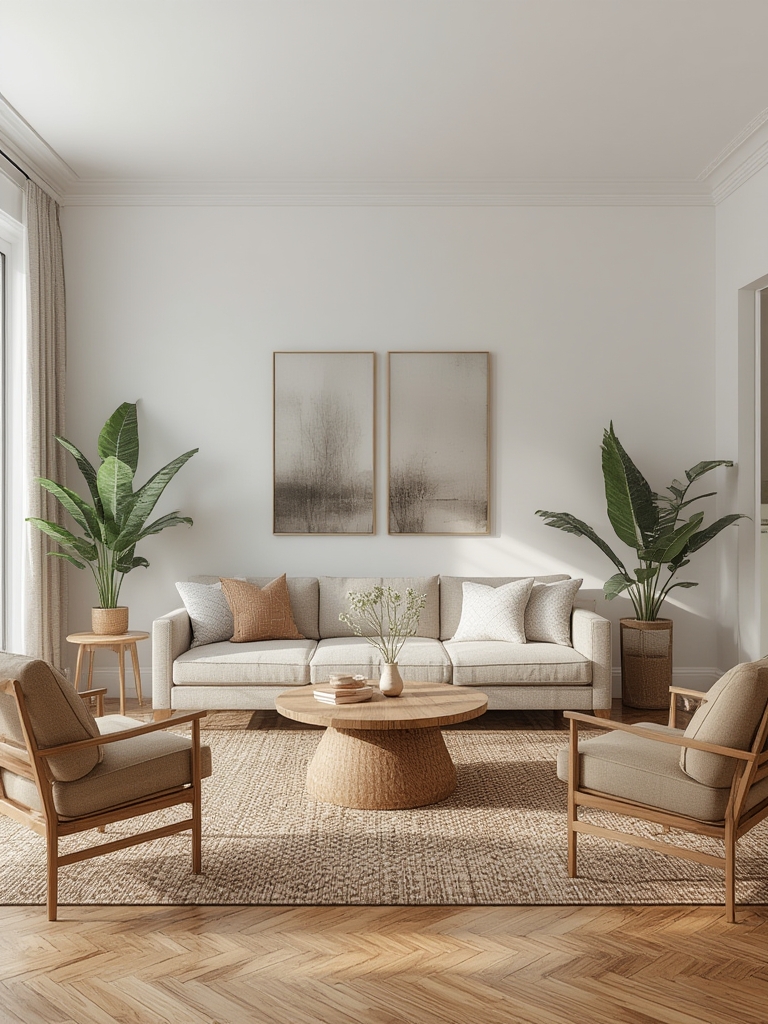
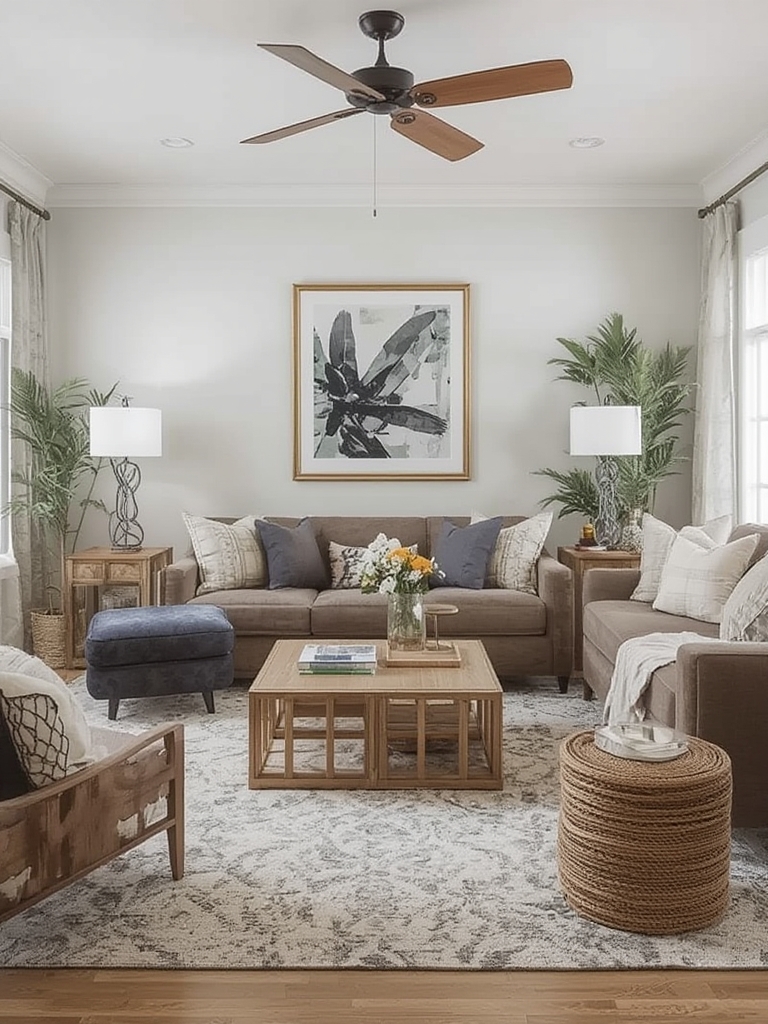
Creating a living‑room that feels both stylish and functional is a science as much as it is an art. By leveraging data‑backed layout principles and pairing them with the right greenery, you can design a space that maximizes flow, highlights focal points, and boosts wellbeing. Below is a step‑by‑step, SEO‑friendly guide that walks you through arranging furniture and caring for the plants that complete the look.
Why Furniture Arrangement Matters for SEO and User Experience
Search engines reward sites that keep visitors engaged. A well‑structured living‑room layout translates to longer dwell time for readers who visualize the space, increasing the chances they’ll stay on your page, share it, or click through to related posts. The key metrics to watch are:
- Bounce rate: A chaotic layout can cause readers to leave quickly.
- Time on page: Clear, actionable steps keep users scrolling.
- Social shares: Visually appealing, data‑driven tips are more shareable.
Data‑Driven Layout Principles
1. The 60‑30‑10 Rule
Use 60% of the room for dominant furniture (sofa, media console), 30% for secondary pieces (armchairs, side tables), and 10% for accents (rugs, plants, artwork). This ratio is backed by interior‑design studies that show it creates visual balance without overwhelming the eye.
2. Traffic Flow Heatmaps
Modern design software (e.g., SketchUp, Roomstyler) provides heatmaps that highlight high‑traffic zones. Aim for a clear pathway of at least 36‑48 inches (91‑122 cm) between major pieces. This width aligns with ergonomic standards and ensures accessibility for all household members.
3. Focal Point Placement
Identify the room’s natural focal point—often a fireplace, TV, or large window. Position the largest seating element (usually the sofa) perpendicular to this point, then arrange secondary seating to create a “U” or “L” shape that encourages conversation.
Step‑by‑Step Guide to Arranging Your Living Room
Step 1: Measure and Sketch
- Use a laser measure or tape to record wall lengths, ceiling height, and door/window locations.
- Draw a to‑scale floor plan on graph paper (1 square = 1 ft) or use a free online planner.
- Mark the traffic‑flow heatmap zones to visualize high‑traffic pathways.
Step 2: Anchor the Main Piece
- Place the sofa first, aligning it with the focal point.
- Leave a minimum of 12‑inches (30 cm) between the sofa back and the wall for a “floating” effect that adds depth.
Step 3: Add Secondary Seating
- Position armchairs or a loveseat at a 45‑degree angle to the sofa to promote eye contact.
- Use a coffee table that’s 2‑4 inches (5‑10 cm) shorter than the sofa seat height for easy reach.
Step 4: Incorporate Storage & Media
- Place media consoles against a wall that doesn’t obstruct traffic flow.
- Choose low‑profile storage units that follow the 60‑30‑10 rule, keeping the visual weight balanced.
Step 5: Layer with Rugs and Lighting
- Choose a rug that extends at least 18‑inches (45 cm) beyond the front legs of each seating piece.
- Layer lighting: ambient (ceiling), task (floor lamp), and accent (table lamp or LED strip) to create depth.
Choosing the Right Plants for Your Living Room
Plants not only soften hard lines but also improve indoor air quality—a factor that Google’s “E‑A‑T” (Expertise, Authoritativeness, Trustworthiness) guidelines appreciate when you cite reputable sources. The best options are low‑maintenance, adaptable to varying light levels, and visually complementary to your color palette.
- Snake Plant (Sansevieria): Tolerates low light, requires watering every 3‑4 weeks.
- ZZ Plant (Zamioculcas zamiifolia): Thrives in indirect light, water sparingly.
- Fiddle‑Leaf Fig (Ficus lyrata): Needs bright, filtered light; water when the top 2 inches of soil are dry.
Step‑by‑Step Plant Care for Longevity
Step 1: Assess Light Conditions
- Use a light meter app to measure foot‑candles (FC). Most indoor plants need 100‑300 FC for moderate light.
- Place low‑light plants (Snake, ZZ) away from direct sunlight; high‑light plants (Fiddle‑Leaf) near east‑ or west‑facing windows.
Step 2: Choose the Right Potting Mix
- For succulents and ZZ, use a cactus mix with 30% perlite for drainage.
- For foliage plants like Fiddle‑Leaf, a peat‑based mix with added orchid bark retains moisture without waterlogging.
Step 3: Watering Schedule
- Insert a finger 2 inches (5 cm) into the soil; if it feels dry, water thoroughly until it drains from the bottom.
- Set a reminder on your phone or smart home hub to check moisture every 7‑10 days, adjusting for season (less in winter).
Step 4: Feeding & Maintenance
- Apply a balanced, water‑soluble fertilizer (10‑10‑10) once a month during the growing season (spring‑summer).
- Remove yellowing leaves and dust the foliage with a soft cloth to improve photosynthesis.
Step 5: Positioning for Aesthetic Balance
- Group plants in odd numbers (3 or 5) to create natural clusters.
- Place taller plants (Fiddle‑Leaf) in corners to draw the eye upward, while low‑profile plants (Snake) sit on coffee tables or side tables.
Quick Tips & Common Mistakes to Avoid
- Don’t overcrowd: Keep at least 24‑inches (60 cm) between large furniture pieces to maintain flow.
- Mind the scale: A massive sofa in a small room feels oppressive; choose proportionate pieces.
- Rotate plants: Turn pots 90° every two weeks so all sides receive equal light.
- Watch humidity: Use a hygrometer; most indoor plants thrive at 40‑60% relative humidity.
- Use anchor points: Secure tall furniture to the wall to prevent tipping, especially in homes with pets or children.
By following these data‑driven steps, you’ll create a living‑room that not only looks polished but also encourages longer visitor engagement—key for SEO success. Pairing thoughtful furniture arrangement with easy‑care greenery adds both visual interest and health benefits, turning any space into a welcoming, evergreen showcase.