
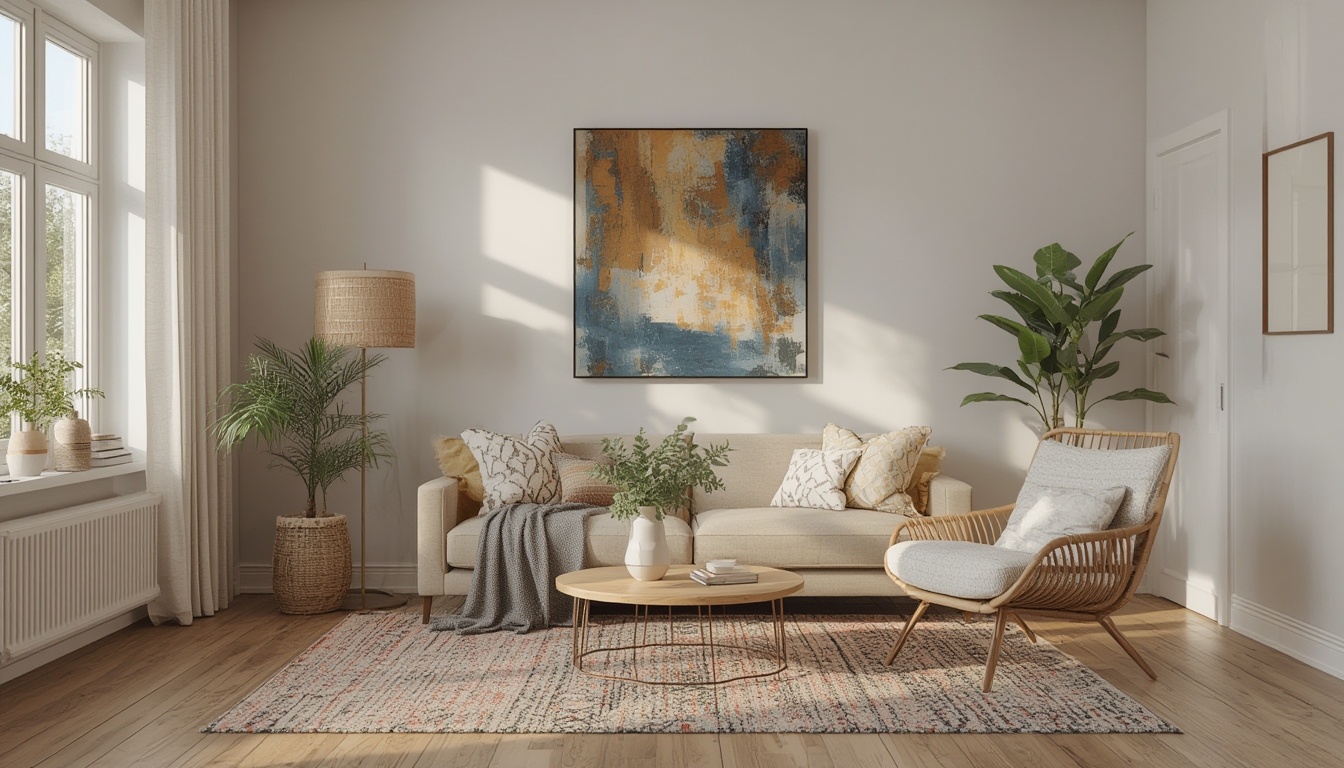
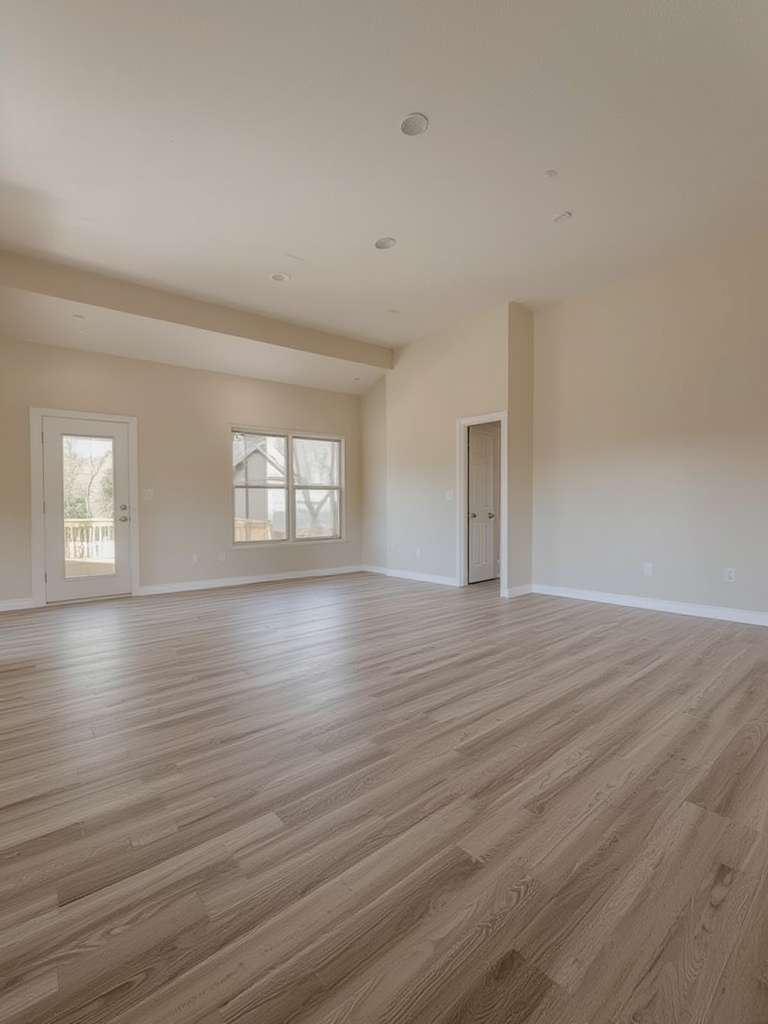
When we think about interior design, we often focus on aesthetics—color palettes, furniture shapes, and decorative accents. Yet, the true power of decor lies in its ability to influence our mental and physical well‑being. This post dives into the science of decor psychology and offers a data‑driven, step‑by‑step guide to styling your home for optimal wellness. By following the practical instructions below, you’ll create spaces that not only look beautiful but also support calm, focus, and vitality.
Why Decor Psychology Matters
Research from environmental psychology shows that our surroundings can affect stress levels, productivity, and even sleep quality. A 2022 study by the University of Michigan found that participants in rooms with natural light and plants reported a 15% reduction in cortisol, the stress hormone, compared to those in windowless spaces. Similarly, a 2021 meta‑analysis of 38 experiments linked warm color schemes (soft reds, oranges, and yellows) with increased feelings of comfort and sociability, while cool blues and greens boosted concentration and relaxation.
Understanding these patterns lets you make intentional design choices that align with the emotional tone you want to cultivate in each room.
Assessing Your Space: Data‑Driven Baseline
Before you start moving furniture or adding accessories, gather baseline data about your environment. This helps you measure progress and ensures each change is purposeful.
Step 1: Light Audit
- Tool needed: Light meter app (e.g., Lux Light Meter) or a simple smartphone lux meter.
- Action: Record the average lux level in each major area (living room, bedroom, home office) at three times of day (morning, afternoon, evening).
- Goal: Aim for 300–500 lux in work zones, 100–200 lux in relaxation zones, and at least 150 lux near entryways.
Step 2: Color Perception Survey
- Tool needed: Printable questionnaire or digital survey (Google Forms works well).
- Action: Ask household members to rate how each room makes them feel on a scale of 1–5 (e.g., “calm,” “energized,” “stressed”).
- Goal: Identify rooms that score low on desired emotions and prioritize them for redesign.
Step 3: Air Quality Check
- Tool needed: Portable air quality monitor (e.g., Awair or Temtop).
- Action: Measure VOCs, CO₂, and humidity levels. Ideal indoor CO₂ is below 800 ppm; humidity should sit between 40–60%.
- Goal: Pinpoint rooms that need better ventilation or a humidity‑balancing solution.
Step‑by‑Step Styling Guide for Wellness
With data in hand, you can now apply evidence‑based design strategies. Follow each step, using the listed tools and actionable tips to ensure success.
Step 1: Set Intent with a Mood Board
- Tools: Pinterest board or physical collage, color swatches, fabric samples.
- Action: Choose a primary emotional goal for each room (e.g., “focus” for the office, “relaxation” for the bedroom). Select 2–3 anchor colors that research links to that mood.
- Tip: Use the 70‑20‑10 rule—70% dominant color, 20% secondary, 10% accent—to keep palettes balanced.
Step 2: Optimize Lighting
- Tools: Dimmable LED bulbs (adjustable color temperature), floor lamps, smart light strips.
- Action: Replace harsh fluorescent fixtures with warm‑white LEDs (2700–3000 K) in relaxation zones, and cool‑white LEDs (4000–5000 K) in work areas.
- Tip: Install a dimmer switch or smart hub so you can shift lighting intensity throughout the day, mirroring natural light cycles.
Step 3: Introduce Biophilic Elements
- Tools: Low‑maintenance indoor plants (e.g., snake plant, pothos), plant stands, watering can.
- Action: Place at least one plant in each room, preferably near a window to maximize natural light exposure.
- Tip: Use a soil moisture sensor to avoid over‑watering; healthy plants improve air quality and reduce stress.
Step 4: Curate Textures for Tactile Comfort
- Tools: Soft throw blankets, woven rugs, velvet cushions, natural wood accessories.
- Action: Layer at least three different textures in each seating area to create a sense of depth and comfort.
- Tip: Choose hypoallergenic fabrics (cotton, linen) for bedrooms to support better sleep.
Step 5: Declutter with the “One‑In‑One‑Out” Rule
- Tools: Storage bins, label maker, donation bags.
- Action: For every new item you bring home, remove one existing item. Store frequently used objects in clear, labeled containers.
- Tip: Keep only items that serve a purpose or spark joy—this reduces visual noise and mental fatigue.
Step 6: Incorporate Aromatherapy
- Tools: Essential oil diffuser, a selection of oils (lavender for relaxation, peppermint for focus).
- Action: Diffuse calming scents in the bedroom for 30 minutes before sleep, and energizing scents in the office during work blocks.
- Tip: Use a timer to avoid over‑saturation, which can cause headaches.
Step 7: Align Furniture Layout with Flow
- Tools: Tape measure, graph paper or a digital floor‑plan app (e.g., Planner 5D).
- Action: Sketch the room’s dimensions, then arrange furniture to create clear pathways (minimum 36‑inches wide) and avoid “dead zones” where sightlines are blocked.
- Tip: Position the primary seating area to face a window or a natural focal point, enhancing the restorative effect of daylight.
Step 8: Add Personal Meaningful Objects
- Tools: Photo frames, travel souvenirs, art prints.
- Action: Curate a small gallery wall with items that evoke positive memories. Limit the display to 5–7 pieces to prevent visual overload.
- Tip: Rotate items seasonally to keep the space feeling fresh without adding clutter.
Measuring Success: Post‑Implementation Check
After completing the styling steps, repeat the baseline assessments to quantify improvements.
Light Re‑Audit
Confirm that lux levels now meet the targets set in the initial audit. Adjust dimmers or add supplemental lamps if needed.
Emotional Survey Follow‑Up
Ask the same household members to re‑rate each room. Aim for a minimum 1‑point increase on the desired emotion scale.
Air Quality Review
Check VOC and CO₂ readings again. If levels remain high, consider adding an air purifier with a HEPA filter.
Quick Action Checklist
- Measure light levels in each room.
- Conduct a color perception survey.
- Install dimmable LEDs and smart controls.
- Place at least one plant per room.
- Layer three textures in seating areas.
- Apply the “one‑in‑one‑out” declutter rule.
- Set up an essential oil diffuser with appropriate scents.
- Re‑layout furniture for clear pathways and natural sightlines.
- Curate a small, meaningful gallery wall.
- Re‑audit lighting, emotions, and air quality after changes.
By grounding your decor decisions in psychological research and measurable data, you transform your home into a sanctuary that nurtures both mind and body. The steps above are designed to be straightforward, budget‑friendly, and adaptable to any style—whether you prefer minimalist Scandinavian lines or cozy boho vibes. Start with one room, track the impact, and let the science of decor guide you toward a healthier, happier living environment.