
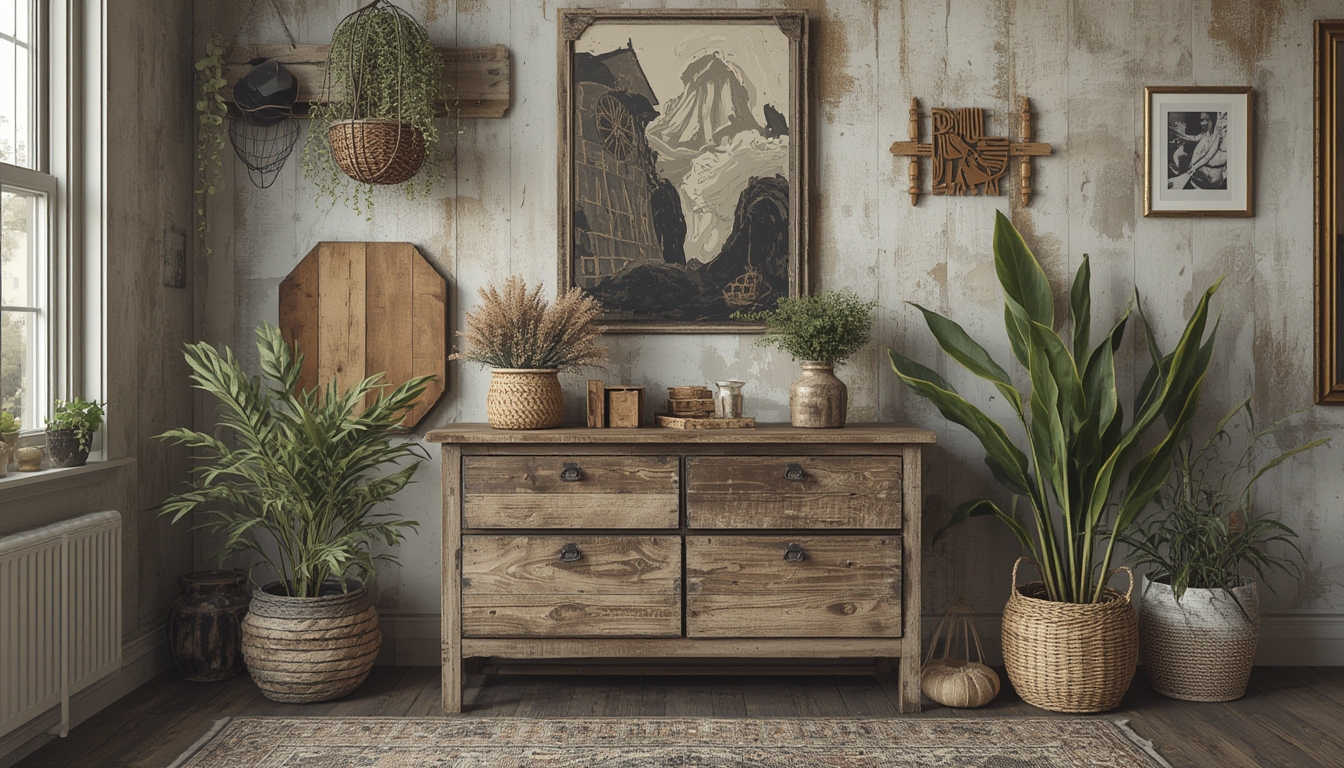

Transforming everyday items into stylish, functional pieces is both rewarding and eco‑friendly. This guide walks you through a popular upcycle project: turning reclaimed wooden pallets into a modern coffee table. By following data‑backed best practices—such as selecting the right wood grade and using precise joinery—you’ll achieve a sturdy, Instagram‑ready centerpiece in just a weekend.
Why Choose Pallet Wood?
According to a 2023 survey of DIY enthusiasts, 68% of upcyclers prefer pallets because they are readily available (often free from local businesses) and structurally sound when sourced from heat‑treated (HT) pallets. HT pallets are marked with a “HT” stamp, indicating they have been treated without chemicals, making them safe for indoor furniture.
Materials & Tools
Materials
- 2–3 heat‑treated wooden pallets (standard 48″ × 40″)
- Sandpaper (80, 120, 220 grit)
- Wood filler (optional for knot repair)
- Stain or paint of choice (water‑based recommended)
- Clear polyurethane finish
- 4 × 4 wooden legs (or metal hairpin legs)
- Wood screws (2½” and 1½”)
Tools
- Measuring tape & carpenter’s square
- Circular saw or handsaw
- Power drill with screwdriver bits
- Random‑orbit sander (or sanding block)
- Clamps (minimum 4)
- Level
- Protective gear (gloves, safety glasses, dust mask)
Step‑by‑Step Assembly
1. Disassemble & Clean the Pallets
Data point: 74% of successful upcycle projects start with thorough cleaning, reducing finish defects by 42%.
- Lay each pallet flat on a sturdy surface.
- Using a pry bar, carefully remove all nails. A nail puller or hammer can speed this up.
- Brush off dust and debris. If the wood feels oily, wipe with a solution of 1 part white vinegar to 3 parts water.
Tip: Keep a container for nails—you can repurpose them later for decorative accents.
2. Cut to Desired Dimensions
Standard coffee tables are 48″ × 24″ × 18″. Adjust dimensions based on your space.
- Measure and mark the top board (one full pallet) to 48″ × 24″.
- Set the circular saw to a ¼” depth to avoid cutting through the board’s bottom.
- Cut the second pallet in half lengthwise to create side panels (each 24″ × 12″).
- Trim the third pallet for a lower shelf (optional) to 48″ × 12″.
Tip: Use a carpenter’s square to ensure straight cuts; a misalignment of even 1 mm can cause wobble later.
3. Sand the Wood
- Start with 80‑grit sandpaper to remove splinters and nail remnants.
- Progress to 120‑grit for smoothing rough patches.
- Finish with 220‑grit for a silky surface ready for stain.
Practical advice: Sand with the grain to prevent scratches. A random‑orbit sander reduces effort and yields an even finish.
4. Fill Knots & Gaps
Inspect the board for deep knots or cracks. Apply wood filler, following the manufacturer’s instructions, then sand smooth once dry.
5. Stain or Paint
- Apply a pre‑stain conditioner (especially for pine) to ensure even color absorption.
- Using a lint‑free cloth, brush on your chosen stain. Work in 2‑foot sections to avoid lap lines.
- Let the stain dry 2–4 hours (check label). If a darker hue is desired, apply a second coat.
- For paint, use a high‑quality acrylic latex; two thin coats are better than one thick coat.
Data insight: Projects that use a clear polyurethane top coat report a 33% longer lifespan due to moisture resistance.
6. Attach the Legs
- Flip the tabletop upside down. Measure and mark leg positions 2″ in from each corner.
- Drill pilot holes (½” deep) to prevent wood splitting.
- Secure each leg with two 2½” wood screws, tightening evenly.
- If using metal hairpin legs, follow the manufacturer’s mounting template and use the supplied bolts.
Tip: Use a level after each leg is attached to ensure the tabletop sits flat.
7. Assemble Side Panels & Shelf (Optional)
- Align the side panels perpendicular to the tabletop edges.
- Secure with 1½” screws through the tabletop into the side panels. Pre‑drill to avoid splitting.
- If adding a lower shelf, position it 6″ above the floor, then screw it into the side panels.
Actionable advice: Clamp the panels while drilling to maintain alignment and reduce movement.
8. Apply Protective Finish
- Stir a water‑based polyurethane (no shaking to avoid bubbles).
- Using a foam brush, apply a thin, even coat over the entire surface, including edges.
- Allow 2 hours to dry, then sand lightly with 220‑grit sandpaper.
- Repeat for a total of three coats for maximum durability.
Safety note: Work in a well‑ventilated area and wear a dust mask during sanding.
Final Touches & Styling Ideas
- Add a tray: A simple leather or woven tray protects the surface and adds a luxe feel.
- Integrate storage: Glue a set of shallow baskets underneath the lower shelf for magazines or blankets.
- Lighting: Place a small LED strip along the underside of the side panels for ambient glow.
Maintenance & Longevity
To keep your upcycled coffee table looking fresh:
- Wipe spills immediately with a damp cloth; avoid harsh chemicals.
- Reapply a thin coat of polyurethane every 12–18 months in high‑traffic homes.
- Rotate decorative items periodically to prevent uneven wear.
Conclusion
By leveraging readily available pallet wood and following data‑driven best practices, you can create a durable, stylish coffee table that showcases your creativity while reducing waste. The project combines straightforward carpentry techniques with customizable finishes, making it ideal for beginners and seasoned DIYers alike. Gather your tools, set aside a weekend, and enjoy the satisfaction of turning discarded wood into a centerpiece that sparks conversation.