
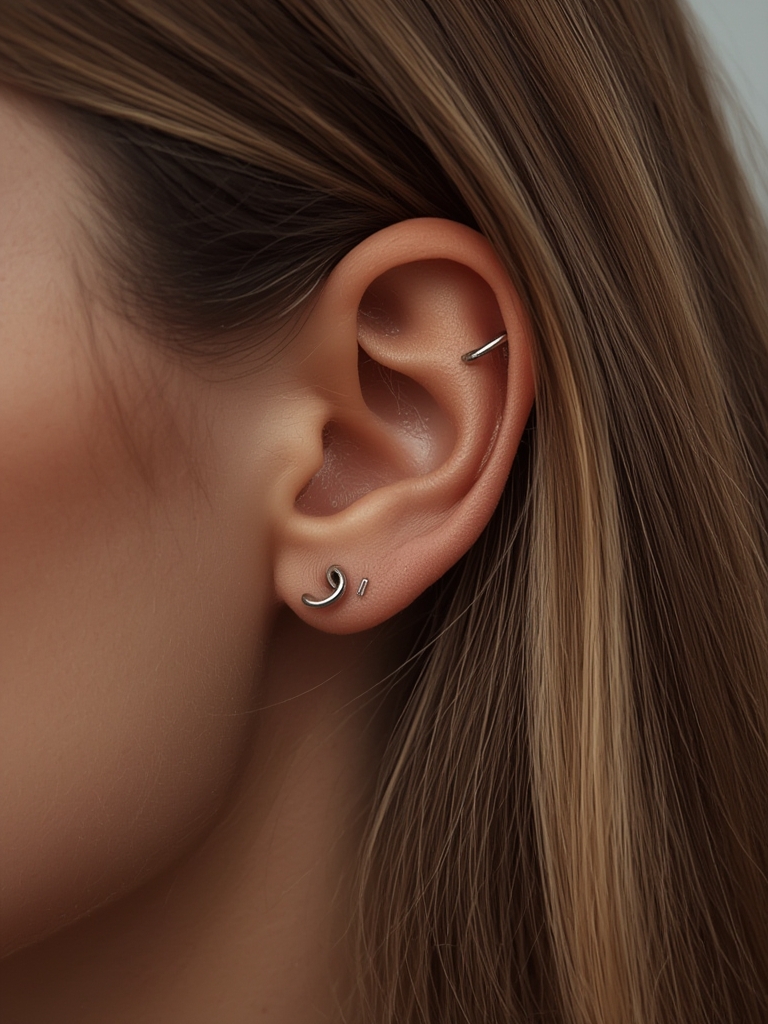
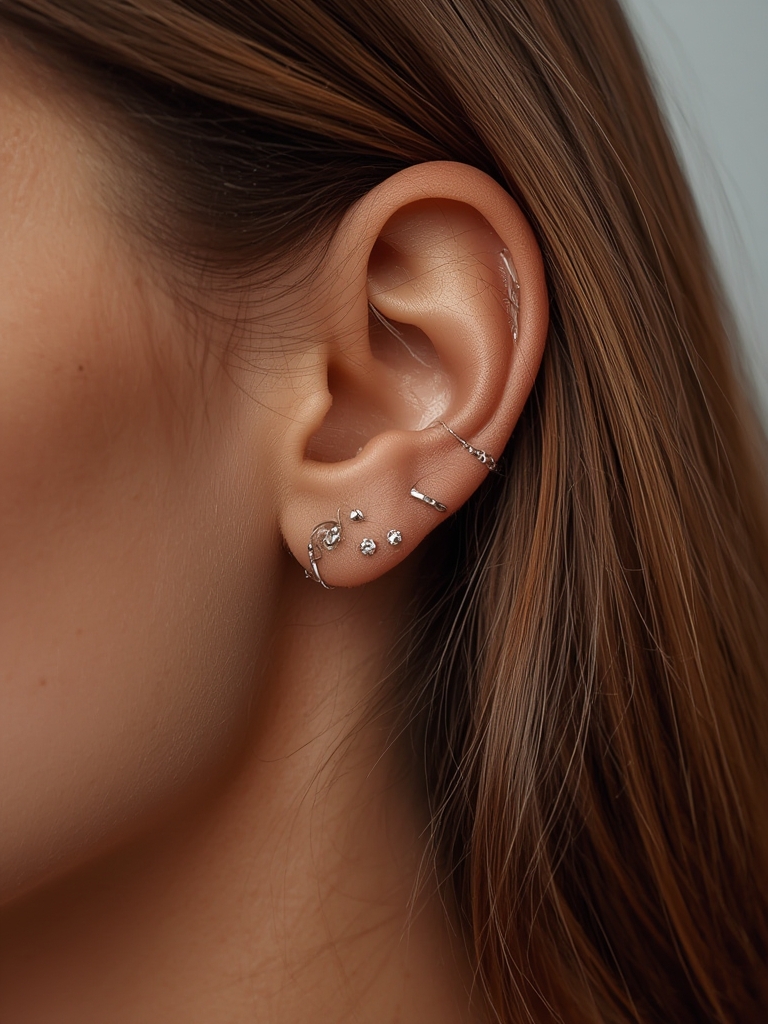
Why Professional Piercing Still Matters (Even If You’re DIY‑Curious)
Ear piercing is one of the most popular forms of body modification, but it isn’t just a fashion statement—it’s a small surgical procedure. Even though many people wonder if they can safely do it at home, professional piercers spend years mastering sterile techniques, anatomy, and after‑care protocols. Understanding the risks (infection, allergic reactions, misplaced holes) helps you decide whether a DIY approach is truly worth it.
Assessing Your Readiness: Safety First
Health Check‑list
- Allergies: Confirm you’re not allergic to nickel, stainless steel, or any metal you plan to use.
- Skin Condition: Avoid piercing if you have eczema, psoriasis, or any open wounds near the ear.
- Medical History: If you have bleeding disorders, are on blood‑thinners, or have a compromised immune system, seek professional help.
Legal & Ethical Considerations
In many jurisdictions, performing a body‑modification on yourself or others without a license is illegal. Even if it’s technically allowed, you could be liable for any complications. Always check local regulations before proceeding.
Preparing a Clean, Controlled Environment
Designate a “Sterile Zone”
Choose a well‑lit room with a hard, non‑porous surface (e.g., a tiled kitchen floor). Clear the area of clutter, and lay down a disposable, sterile drape or clean plastic sheet.
Disinfection Protocol
- Wash your hands thoroughly with antibacterial soap for at least 30 seconds.
- Apply a medical‑grade hand sanitizer (≥70% alcohol) after washing.
- Wipe the ear lobes with a 70% isopropyl alcohol pad or a chlorhexidine swab; let it air‑dry.
Essential Tools & Safety Gear (What You Should Have)
Tools You’ll Need
- Medical‑grade piercing needle: A single‑use, hollow needle (typically 20‑gauge for earlobes).
- Stainless‑steel or titanium studs: Ensure they are implant‑grade (ASTM F138 or F136).
- Disposable gloves: Nitrile gloves reduce the risk of latex allergies.
- Alcohol wipes & antiseptic solution: For both the tools and aftercare.
- Marking pen (non‑permanent): To outline the exact placement before you begin.
What to Avoid
Never use household items like safety pins, sewing needles, or jewelry not labeled “implant‑grade.” These can cause tearing, infection, or allergic reactions.
After‑Care Essentials: Keeping the Piercing Healthy
First 24‑48 Hours
- Clean the area twice daily with a saline solution (1 tsp non‑iodized sea salt dissolved in 8 oz warm water).
- Avoid touching the piercing with unwashed hands.
- Do not rotate or “play” with the jewelry; this can disrupt the healing tissue.
Week 1–2: Monitoring for Red Flags
Watch for excessive redness, swelling, pus, or a foul odor—these are signs of infection. If any appear, seek medical attention promptly.
Long‑Term Care (Up to 6–8 Weeks)
- Continue saline rinses at least twice a day.
- Switch to a hypoallergenic aftercare product (e.g., a fragrance‑free, antimicrobial ointment) only if recommended by a professional.
- Refrain from swimming in pools, hot tubs, or natural bodies of water until fully healed.
Common Mistakes & How to Avoid Them
Using the Wrong Needle
A solid needle (like a sewing needle) creates a larger wound and increases trauma. Always use a hollow, single‑use piercing needle.
Improper Placement
Even a slight misalignment can lead to uneven healing or scar tissue. If you’re unsure, print a template or use a professional’s placement guide as a reference.
Skipping Aftercare
Neglecting cleaning routines is the #1 cause of infections. Set a reminder on your phone to perform saline rinses consistently.
When to Seek Professional Help
If you notice any of the following, stop the DIY process immediately and consult a licensed piercer or medical professional:
- Severe pain that doesn’t subside after a few minutes.
- Rapid swelling or a hard, raised bump (possible abscess).
- Bleeding that doesn’t stop after applying gentle pressure for 5–10 minutes.
Bottom Line: Informed Decision‑Making
While it’s technically possible to pierce your ears at home, the safest route is to visit a reputable studio where sterile techniques, proper anatomy knowledge, and aftercare support are guaranteed. If you still choose a DIY approach, treat it with the same seriousness as any minor surgical procedure: prioritize sterility, use the right tools, and follow a disciplined aftercare regimen.
Disclaimer: This article is for informational purposes only and does not replace professional medical advice. Always consult a qualified piercer or healthcare provider before attempting any body modification.