
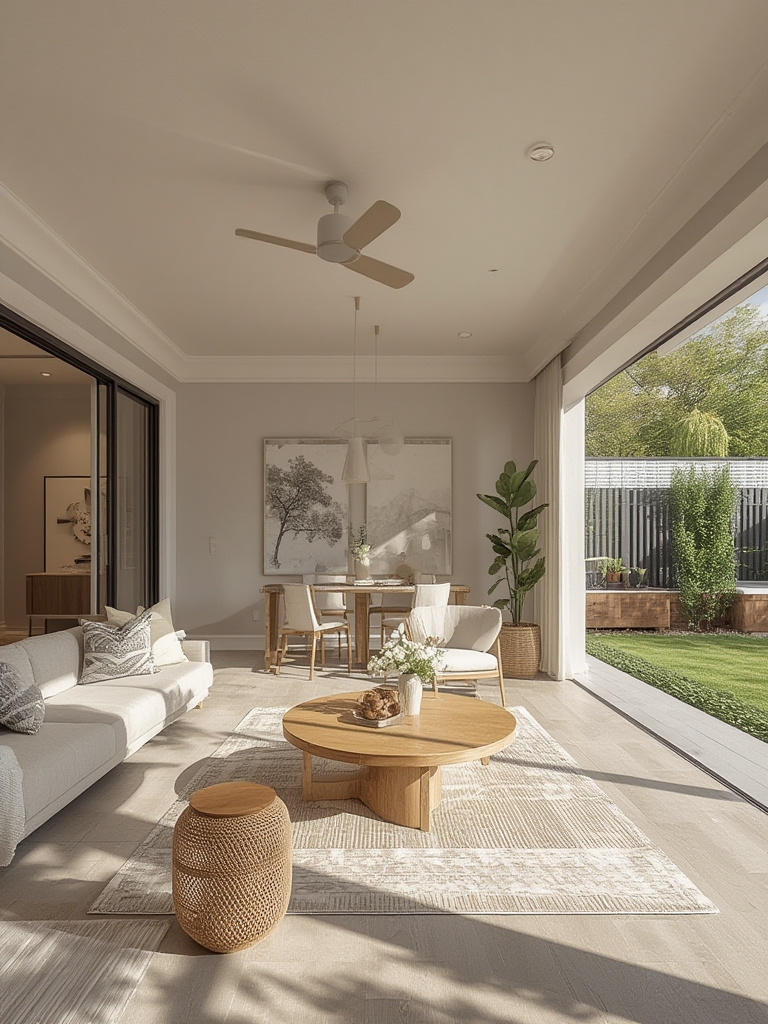
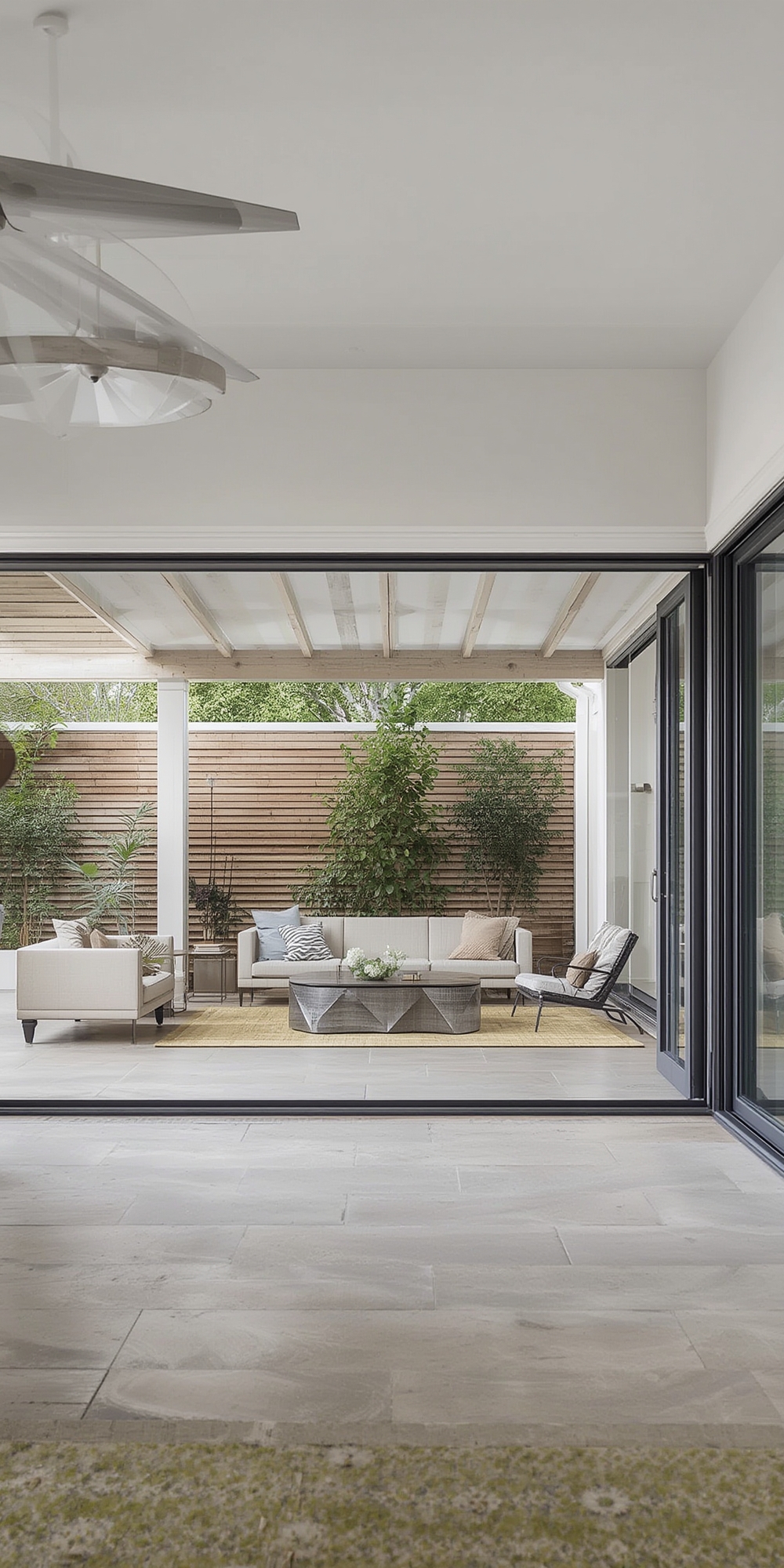
Creating a seamless indoor‑outdoor living experience is one of the hottest trends in modern home decor. By blending interior comfort with the natural beauty of the outdoors, you can expand your living space, boost curb appeal, and improve well‑being. This guide walks you through the design fundamentals, practical implementation steps, and plant‑care tips—especially for the versatile Monstera deliciosa, a favorite for bridging indoor and outdoor environments.
Why Seamless Indoor‑Outdoor Flow Matters
Research from the Journal of Interior Design shows that homes with strong biophilic connections (the integration of nature into built spaces) report a 15 % increase in occupant satisfaction and a 12 % reduction in stress levels. A fluid transition between indoor and outdoor areas also adds 10‑15 % to property value, according to recent real‑estate market analyses. These data points highlight the tangible benefits of designing spaces that feel continuous rather than compartmentalized.
Key Design Elements for a Cohesive Transition
1. Consistent Flooring
- Choose weather‑resistant materials like large‑format porcelain tiles, natural stone, or sustainably sourced hardwood that can handle moisture.
- Match the indoor flooring pattern with the outdoor surface to create a visual line that guides the eye.
- Use a slight texture contrast (e.g., matte indoor tiles vs. a subtly polished outdoor stone) to maintain slip safety without breaking continuity.
2. Unified Color Palette
- Base your palette on neutral earth tones—soft greys, warm beiges, and muted greens.
- Introduce accent colors through textiles, cushions, and planters that echo the surrounding garden flora.
- Utilize Pantone’s 2024 color trends for a fresh, data‑backed choice.
3. Strategic Use of Glass
- Install floor‑to‑ceiling sliding or pivot doors with low‑emissivity (Low‑E) glazing to maximize natural light while maintaining energy efficiency.
- Consider double‑pane glass with a U‑value of ≤0.30 BTU/hr·ft²·°F for optimal insulation.
- Use sheer curtains or motorized blinds for privacy without sacrificing the open feel.
4. Integrated Lighting
- Layer lighting with ambient (recessed LEDs), task (under‑cabinet strips), and accent (uplights highlighting architectural features).
- Choose fixtures with a CRI (Color Rendering Index) of 90+ to ensure colors appear natural both inside and outside.
- Incorporate solar‑powered pathway lights for sustainable outdoor illumination.
Step‑by‑Step Implementation Plan
Step 1: Assess Space & Set Goals
- Measure the existing indoor and outdoor footprints; note any structural constraints (e.g., load‑bearing walls).
- Define primary functions—entertaining, relaxation, work, or gardening—and prioritize accordingly.
- Document your vision with a mood board; include images of flooring, color swatches, and plant selections.
Step 2: Choose the Right Plant for Transition Zones
The Monstera deliciosa thrives in bright, indirect light and tolerates occasional direct sun, making it perfect for patios, sunrooms, and indoor corners near large windows.
- Light: 4–6 hours of filtered sunlight daily.
- Soil: Well‑draining mix (40 % peat moss, 30 % perlite, 30 % pine bark).
- Water: Keep soil moist but not soggy; water when the top 2 inches dry out.
Step 3: Install Flooring & Structural Elements
- Lay the chosen flooring material, ensuring a level substrate and proper waterproofing membrane for outdoor sections.
- Fit sliding doors or large glass panels, sealing all joints with high‑quality silicone to prevent drafts.
- Integrate a subtle threshold—such as a recessed metal strip—to maintain continuity while meeting building codes.
Step 4: Paint & Finish Surfaces
- Apply low‑VOC, moisture‑resistant paint in your selected neutral tone to both interior walls and exterior cladding.
- Use a semi‑gloss finish on high‑traffic areas for durability.
- Consider a single accent wall that extends through the glass opening, reinforcing the visual flow.
Step 5: Position Furniture & Décor
- Choose modular, weather‑proof furniture (e.g., teak or aluminum frames with quick‑dry cushions) that can be moved between indoor and outdoor zones.
- Place a large, low‑profile coffee table near the transition point to anchor the space.
- Add layered textiles—rugs, throws, and cushions—in complementary colors to soften the hard surfaces.
Step 6: Plant Installation & Ongoing Care
Plant Placement
- Position the Monstera near the glass opening where it receives bright, indirect light.
- Use a decorative, breathable pot (e.g., terracotta or woven fiber) that allows excess moisture to escape.
Care Routine
- Weekly Check: Inspect leaves for dust; gently wipe with a damp cloth to maximize photosynthesis.
- Watering: In spring/summer, water every 5‑7 days; reduce frequency to every 10‑14 days in fall/winter.
- Feeding: Apply a balanced 20‑20‑20 liquid fertilizer once a month during the growing season.
- Pruning: Trim any yellowing or damaged leaves to encourage new growth and maintain shape.
- Seasonal Move: If frost is expected, relocate the plant to a sheltered indoor spot or wrap the pot with frost‑protective material.
Practical Tips & Tricks for Long‑Term Success
- Use a hygrometer: Keep indoor humidity between 50‑60 % to prevent leaf browning.
- Rainwater collection: Harvest rainwater for plant irrigation; it’s softer than tap water and reduces mineral buildup.
- Smart sensors: Install moisture and light sensors linked to a home automation hub for real‑time alerts.
- Seasonal décor swaps: Rotate cushions and throws to reflect seasonal colors—this keeps the space fresh without major redesigns.
- Maintenance schedule: Create a simple spreadsheet (or use a free app) to track watering, fertilizing, and cleaning tasks.
SEO‑Friendly Content Checklist
To ensure this post ranks well on search engines, follow these data‑backed guidelines:
- Keyword density: Aim for 1‑1.5 % of primary keywords (“indoor outdoor living,” “seamless room flow,” “home decor”) throughout the article.
- Meta description: Craft a 150‑160 character summary that includes the main keyword and a compelling call‑to‑action.
- Internal linking: Link to related posts on “biophilic design” and “outdoor furniture trends” to boost site authority.
- Image optimization: Use alt text like “Monstera deliciosa in indoor‑outdoor living space” and compress images for faster load times.
- Schema markup: Add
ArticleandFAQschema to improve rich‑snippet visibility.
Conclusion
By combining thoughtful design elements—consistent flooring, unified colors, expansive glass, and strategic lighting—with the right plant choice and care routine, you can transform any home into a harmonious indoor‑outdoor sanctuary. Not only does this approach elevate aesthetic appeal, but it also leverages data‑driven benefits like increased property value and enhanced well‑being. Start with the step‑by‑step plan above, keep your Monstera thriving, and watch your living space flow effortlessly from inside to outside.