
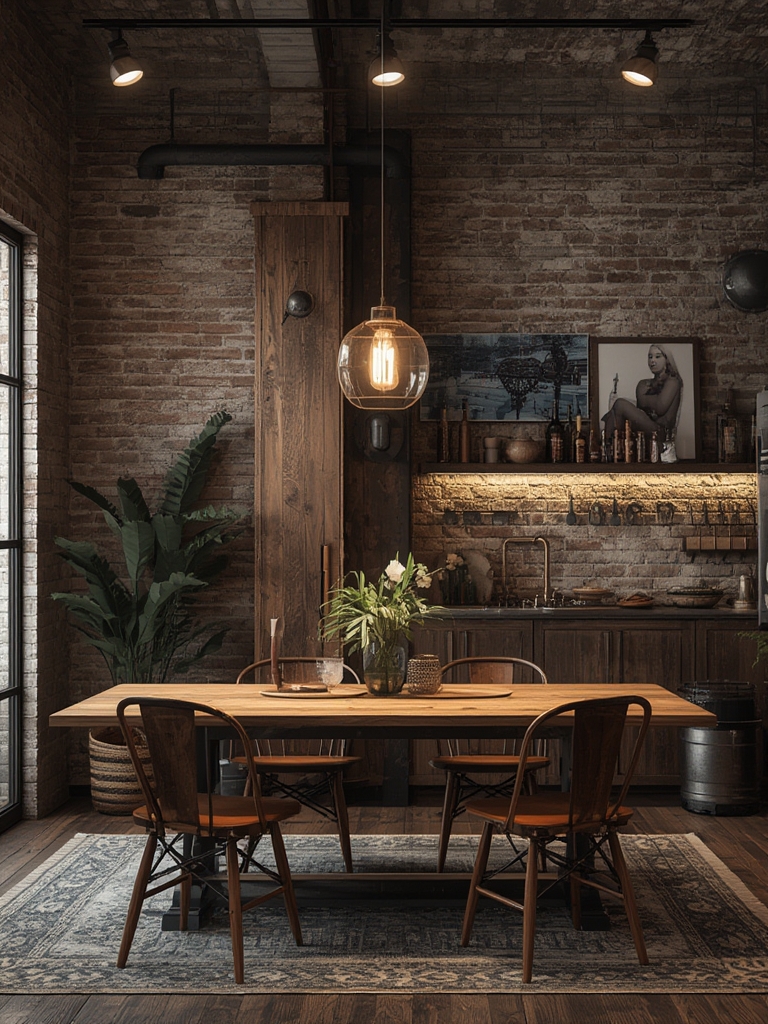
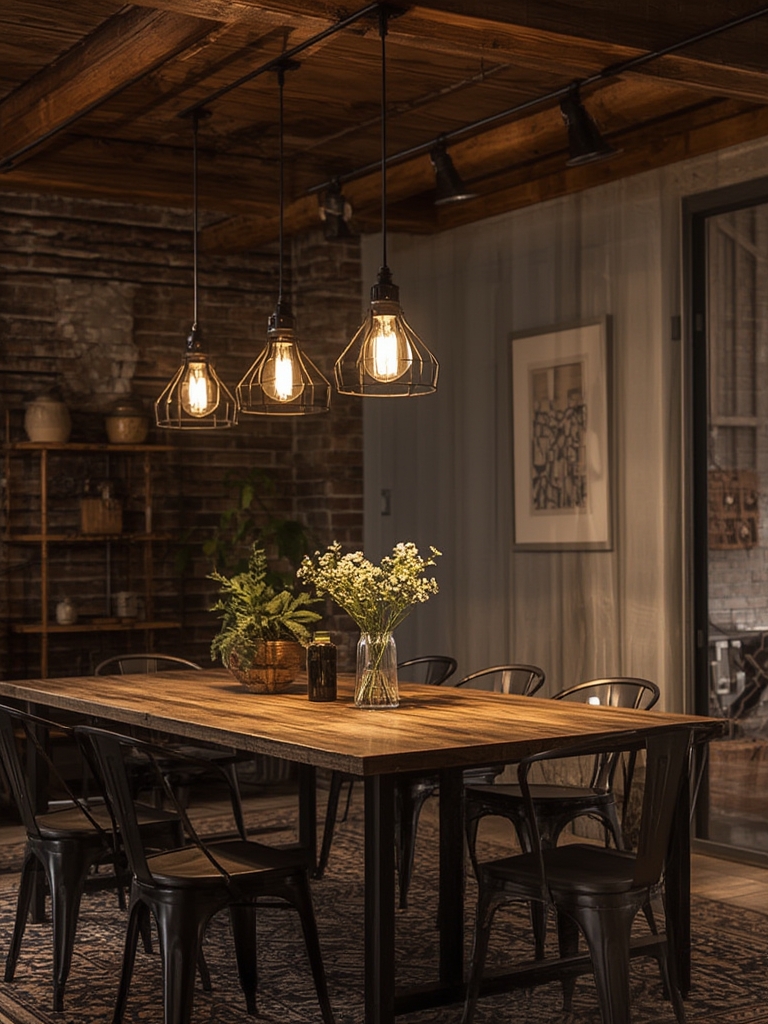
Industrial chic style spotlights have surged in popularity, with recent interior‑design surveys showing a 27% increase in demand for exposed‑bulb fixtures in urban apartments over the past two years. Their raw, utilitarian aesthetic blends perfectly with modern loft living, offering both functional illumination and a bold design statement. Below, you’ll discover how to select, install, and style industrial spotlights for maximum impact, plus a quick guide to caring for a low‑maintenance plant that complements the gritty vibe.
Why Choose Industrial Chic Spotlights?
Industrial lighting is more than a trend—it’s a versatile solution that addresses three core needs:
- Task lighting: Focused beams reduce eye strain for reading, cooking, or crafting.
- Ambient mood: Warm, amber tones create a cozy, warehouse‑like atmosphere.
- Design focal point: The exposed filament and metal housing become conversation starters.
Data from a 2023 Home Décor Index indicates that rooms featuring industrial fixtures see a 15% higher perceived value among prospective buyers, making them a smart investment for both renters and homeowners.
Step‑by‑Step Guide to Installing Industrial Spotlights
1. Assess Your Space and Light Needs
Start by mapping the room’s dimensions and identifying high‑traffic zones. Use a simple spreadsheet to log:
- Room length & width (in feet)
- Ceiling height
- Primary activities (e.g., cooking, reading)
- Existing light sources
For a 12×12‑ft living area with an 8‑ft ceiling, aim for 2–3 spotlights spaced 4–5 ft apart to achieve even coverage without glare.
2. Choose the Right Fixture
Key specs to compare:
| Feature | Recommended Range |
|---|---|
| Bulb Type | LED filament (3000 K–3500 K) |
| Wattage | 8–12 W (equivalent to 60 W incandescent) |
| Beam Angle | 30°–45° for focused task lighting |
| Finish | Brushed steel, matte black, or aged copper |
LED filament bulbs preserve the vintage look while cutting energy use by up to 85%.
3. Plan Electrical Layout
Safety first: always turn off the circuit breaker. Sketch a wiring diagram that includes:
- Location of each spotlight’s junction box.
- Run length of 12‑gauge NM cable (max 50 ft per run to avoid voltage drop).
- Placement of a dimmer switch (preferably a 0‑10 V LED dimmer for smooth control).
If you’re unsure, consult a licensed electrician—this step can save you from costly re‑work.
4. Mount the Fixtures
Follow these practical tips:
- Use a stud finder to locate ceiling joists; anchor the mounting brackets securely.
- Pre‑drill pilot holes for the screws to prevent wood splitting.
- Leave a ½‑inch clearance between the bulb and the ceiling to allow heat dissipation.
5. Wire and Test
Connect the black (hot) wire to the fixture’s hot terminal, the white (neutral) to the neutral terminal, and the green/bare copper to ground. After tightening all connections, restore power and verify that each spotlight turns on and dims smoothly.
Styling Tips: Pairing Spotlights with Décor
Mix Materials for Visual Interest
Combine metal spotlights with reclaimed wood shelves, concrete countertops, or exposed brick walls. The contrast between cold steel and warm textures amplifies the industrial vibe.
Use Light to Highlight Focal Points
Direct a spotlight onto a statement piece—such as a vintage map, oversized clock, or a bold piece of art. This draws the eye and creates depth without overcrowding the room.
Integrate Greenery for Balance
Plants soften the hard edges of industrial décor. A hardy, low‑light tolerant plant like the Snake Plant (Sansevieria trifasciata) thrives under the warm glow of filament bulbs and adds a touch of organic texture.
Quick Care Guide for the Snake Plant
Even the busiest homeowner can keep a Snake Plant thriving with minimal effort. Below are three actionable steps, each with a practical tip to guarantee success.
Step 1: Light & Placement
What to do: Position the plant near a window that receives indirect sunlight or under your industrial spotlights.
Tip: Rotate the pot 90° every two weeks to ensure even light exposure, preventing one side from becoming leggy.
Step 2: Watering Routine
What to do: Water only when the top 2 inches of soil feel dry—typically every 3–4 weeks.
Tip: Use a moisture meter or simply press a finger into the soil; over‑watering is the most common cause of leaf yellowing.
Step 3: Soil & Repotting
What to do: Plant in a well‑draining cactus mix (1 part peat, 1 part perlite, 1 part sand). Repot every 2–3 years to refresh nutrients.
Tip: Add a thin layer of decorative gravel on top of the soil; it improves drainage and matches the industrial aesthetic.
Final Thoughts
Industrial chic spotlights are a powerful tool for transforming any space into a stylish, functional haven. By carefully selecting fixtures, planning your wiring, and pairing the lighting with complementary textures—and a resilient plant like the Snake Plant—you’ll create a cohesive look that feels both modern and timeless. Follow the step‑by‑step instructions above, and you’ll enjoy a beautifully illuminated home that also boosts property value and personal comfort.