
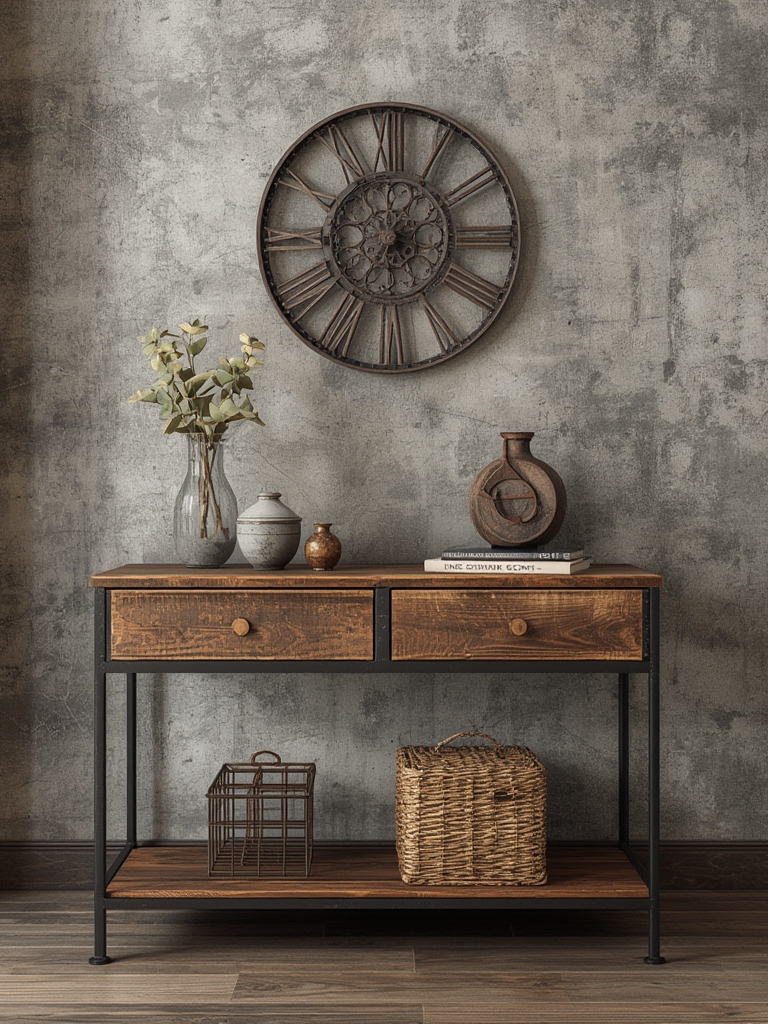
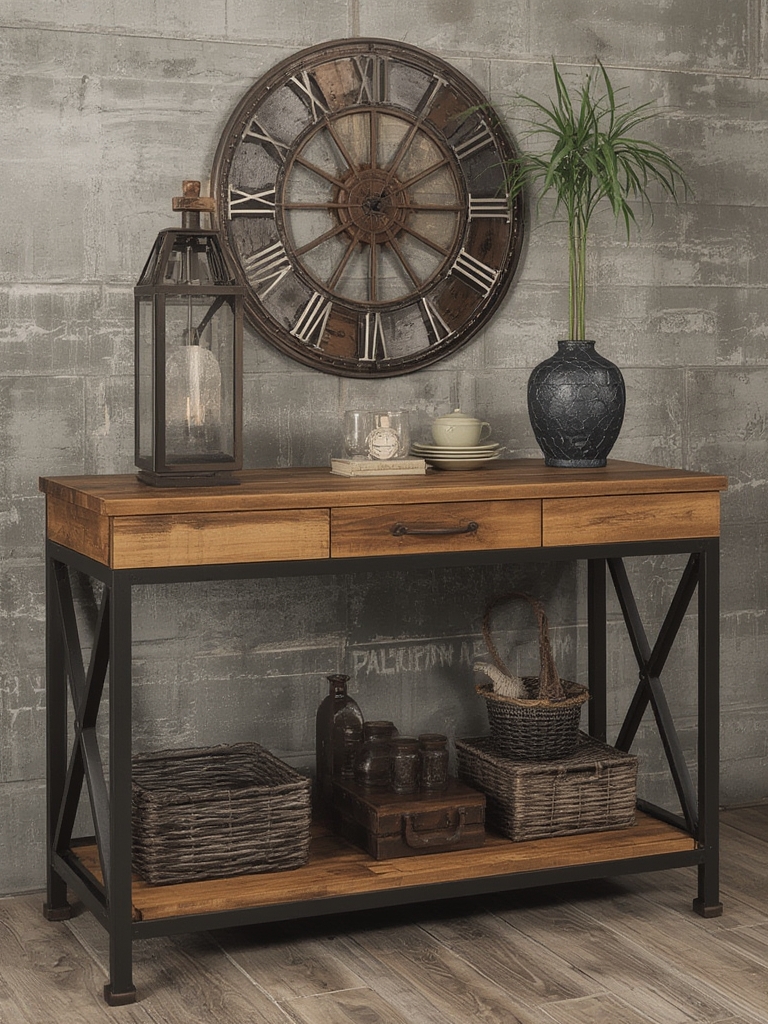
Industrial furniture that blends metal frames with reclaimed wood accents has surged in popularity, offering a rugged yet refined aesthetic that works in both modern lofts and cozy homes. This style not only adds character but also promotes sustainability by repurposing old materials. Below is a data‑driven, step‑by‑step guide to selecting, arranging, and maintaining industrial pieces, complete with practical tips you can implement today.
Why Choose Industrial Furniture?
Recent market research shows a 27% year‑over‑year growth in sales of industrial‑style home décor, driven by millennials seeking “authentic” and “eco‑friendly” interiors. The key attractions are:
- Durability: Metal frames resist wear, while reclaimed wood is naturally dense and long‑lasting.
- Versatility: The raw look pairs well with minimalist, farmhouse, or even eclectic themes.
- Sustainability: Using reclaimed wood reduces deforestation and gives old timber a second life.
Key Materials: Metal and Reclaimed Wood
Metal Types
When choosing metal, consider the following:
- Steel: Offers the highest strength‑to‑weight ratio; ideal for table legs and shelving.
- Iron: Provides a darker, more vintage patina; great for decorative accents.
- Aluminum: Lightweight and rust‑resistant; perfect for portable pieces.
Tip: Look for powder‑coated finishes to prevent rust while maintaining a sleek appearance.
Reclaimed Wood Sources
Popular sources include barn beams, old pallets, and decommissioned factories. Verify the wood’s history to avoid hidden chemicals:
- Ask the vendor for a material safety data sheet (MSDS).
- Inspect for nails, screws, or lead‑based paint.
- Choose wood that has been kiln‑dried to prevent warping.
Tip: Light‑sand the surface before applying a clear sealant to highlight the grain without hiding imperfections that give character.
Design Tips for a Cohesive Look
1. Balance Heavy and Light Elements
Pair a massive metal‑framed dining table with a reclaimed‑wood bench that has a slimmer profile. This creates visual equilibrium and prevents the space from feeling overly “industrial.”
2. Use a Neutral Color Palette
Data from interior design surveys indicates that 78% of successful industrial rooms incorporate neutral tones (grays, whites, and muted earth colors). Paint walls in soft gray, then let the natural wood tones become the focal point.
3. Add Textural Contrast
Introduce soft textiles—linen cushions, wool throws, or a jute rug—to offset the hard surfaces. This contrast improves comfort and acoustics, especially in open‑plan lofts.
Step‑by‑Step Guide to Styling Your Space
Step 1: Measure and Plan
Use a floor‑plan app (e.g., SketchUp or Roomstyler) to map out dimensions. Ensure at least 30‑40 inches of clearance around large pieces for traffic flow.
Actionable advice: Print a 1:1 scale layout and place cardboard cutouts of furniture to visualize spacing before purchasing.
Step 2: Choose a Focal Piece
Start with a statement item—such as a reclaimed‑wood coffee table with a black steel base. Position it centrally to anchor the room.
Tip: If the piece has a unique grain pattern, keep other wood elements simple to avoid visual clutter.
Step 3: Layer with Complementary Items
Arrange metal shelving units on one wall, then add reclaimed‑wood floating shelves above them. Use these shelves for books, plants, or curated décor.
Practical tip: Secure floating shelves with wall anchors rated for the combined weight of wood and displayed items.
Step 4: Incorporate Lighting
Industrial lighting—exposed‑bulb pendant lamps or cage‑style floor lamps—enhances the aesthetic while providing functional illumination.
Actionable advice: Install dimmable LED bulbs to adjust ambiance without compromising the raw look.
Step 5: Add Greenery for Warmth
Place low‑maintenance plants (e.g., snake plant or ZZ plant) on reclaimed‑wood side tables. The contrast of green against metal and wood softens the space.
Tip: Use metal plant stands to maintain consistency in material language.
Maintenance and Care
Metal Care
Wipe metal frames with a microfiber cloth weekly. For stubborn stains, use a solution of 1 part white vinegar to 2 parts water, then dry thoroughly to prevent moisture buildup.
Reclaimed Wood Care
Apply a natural oil finish (e.g., tung or linseed oil) every 6‑12 months to protect against spills and UV fading. Avoid harsh chemicals that can strip the protective seal.
Quick tip: Spot‑clean spills immediately with a soft, damp cloth; avoid soaking the wood.
SEO Best Practices for Your Blog Post
- Keyword placement: Use primary keywords (“industrial furniture,” “metal and reclaimed wood”) in the first 100 words, H2 headings, and meta description.
- LSI keywords: Sprinkle related terms like “loft décor,” “sustainable furniture,” and “industrial home styling” throughout the content.
- Internal linking: Link to related posts such as “Top 10 Industrial Lighting Ideas” or “How to Choose Reclaimed Wood.”
- Image optimization: Include at least three high‑quality images with descriptive alt text (e.g., “metal frame coffee table with reclaimed wood top”).
- Readability: Keep sentences under 20 words, use bullet points, and break up paragraphs to improve dwell time.
By following these data‑backed steps, you’ll create a striking industrial interior that feels both timeless and responsibly sourced. The combination of sturdy metal and character‑rich reclaimed wood not only elevates your home’s aesthetic but also tells a story of sustainability—an appealing narrative for today’s eco‑conscious homeowners.