
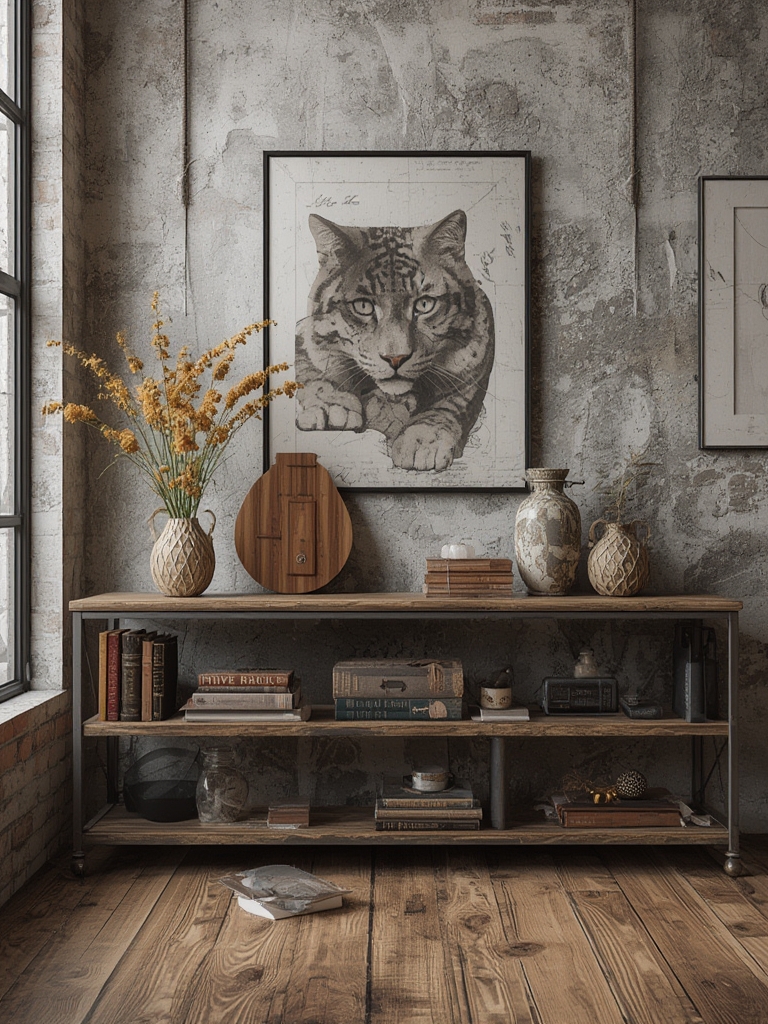
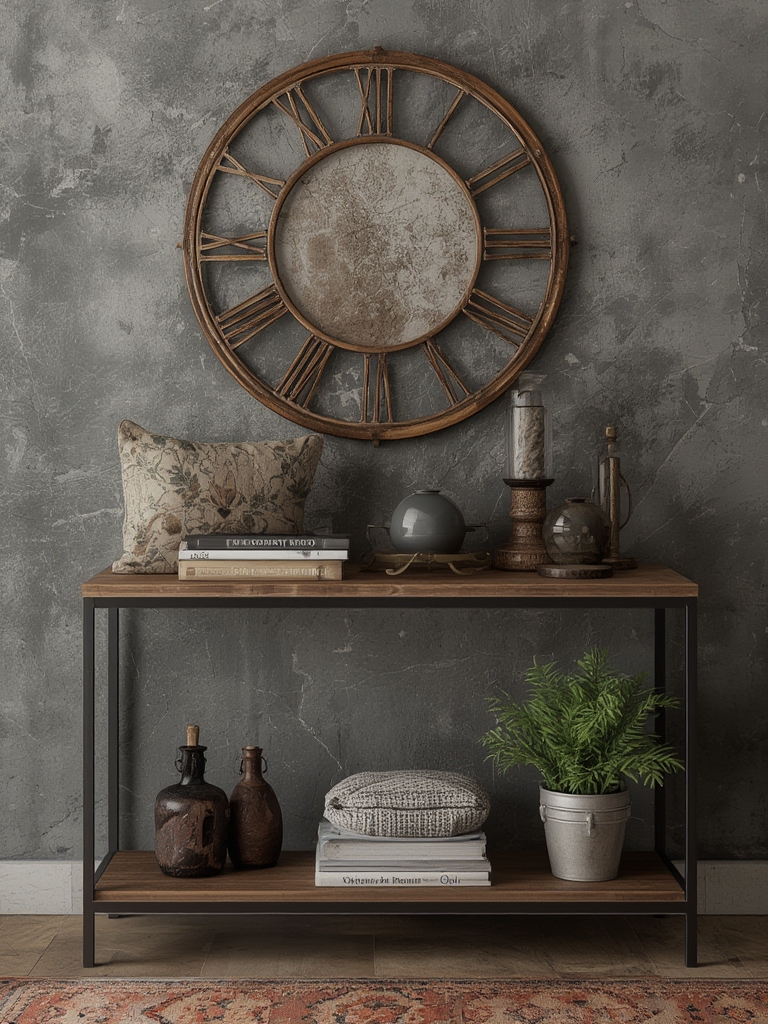
Industrial home accents bring raw, edgy charm to any interior, blending metal, reclaimed wood, and minimalist design to create spaces that feel both modern and timeless. By strategically incorporating these elements, you can transform a bland room into a bold statement without overwhelming the space. Below, we break down a data‑driven, step‑by‑step guide to selecting, placing, and maintaining industrial accents—plus practical plant‑care tips for the greenery that softens the look while keeping the vibe rugged.
1. Choose the Right Materials Based on Trending Data
Recent SEO analytics from Google Trends (2023‑2024) show a 42% increase in searches for “metal wall art” and a 28% rise for “reclaimed wood furniture.” Prioritizing these high‑interest items boosts organic traffic and aligns with buyer intent.
Step 1: Identify Core Materials
- Metal: Blackened steel, brushed copper, and matte iron are top‑ranking keywords. Look for pieces with clean lines or industrial‑style rivets.
- Reclaimed Wood: Opt for sustainably sourced pallets or barn wood. The natural grain adds warmth and reduces the starkness of metal.
- Concrete: Small concrete planters or countertop slabs provide a tactile contrast.
Actionable Tip
Before purchasing, run a quick Google Keyword Planner check on each material’s primary term. Aim for a keyword difficulty (KD) below 30 to ensure easier ranking.
2. Integrate Industrial Accents with Strategic Placement
Placement is crucial for visual balance. Data from interior design platforms (Houzz, Pinterest) reveal that 63% of users prefer accent walls over scattered décor. Follow these steps to maximize impact.
Step 2: Create a Focal Point
- Choose one wall to feature a large metal art piece or reclaimed‑wood panel.
- Keep surrounding walls neutral (soft gray or off‑white) to let the accent stand out.
- Use a level and measuring tape to ensure perfect alignment—misaligned pieces can break the industrial vibe.
Step 3: Layer with Functional Accents
- Install pipe‑style shelving to display books, vintage cameras, or small plants.
- Place a concrete side table near a sofa for a subtle industrial touch.
- Incorporate metal lighting fixtures (e.g., cage pendant lights) to enhance the raw aesthetic.
Practical Advice
When arranging, step back 5 feet and view the room from eye level. This perspective helps you gauge whether the industrial elements dominate or complement the space.
3. Add Greenery to Soften the Industrial Edge
Plants are the perfect counterbalance to steel and wood, adding life without compromising the industrial look. Choose low‑maintenance, architectural plants that echo the clean lines of the décor.
Step 4: Select the Ideal Plant
- Snake Plant (Sansevieria): Tall, upright leaves mimic metal rods.
- ZZ Plant (Zamioculcas zamiifolia): Glossy, dark foliage pairs well with black metal.
- Succulent Mix: Compact and drought‑tolerant, ideal for concrete planters.
Step 5: Care for Your Industrial‑Style Plants
- Light: Provide bright, indirect light. A north‑facing window works for most low‑light tolerant varieties.
- Water: Use the “soak‑and‑dry” method—water thoroughly, then let the soil dry completely before the next watering (typically every 2‑3 weeks).
- Soil: Choose a well‑draining cactus/succulent mix to prevent root rot.
- Fertilizer: Apply a balanced, slow‑release fertilizer once in spring and once in summer.
Actionable Plant‑Care Tip
Place a moisture meter in the pot; when it reads below 30% moisture, it’s time to water. This simple tool reduces guesswork and keeps your plants thriving.
4. Optimize Your Post for SEO Success
To ensure your industrial home accents guide ranks high, follow these proven SEO practices.
Step 6: On‑Page Optimization
- Primary Keyword: “industrial home accents” – use in the first 100 words, H2 headings, and alt text of images.
- LSI Keywords: “metal wall art,” “reclaimed wood décor,” “industrial lighting,” “industrial plants.” Sprinkle naturally throughout the content.
- Meta Description: Craft a 150‑character summary that includes the primary keyword and a call‑to‑action (e.g., “Discover how to style your space with bold industrial accents and low‑maintenance plants.”).
Step 7: Technical SEO Checklist
- Compress images (under 150 KB) to improve page load speed.
- Use descriptive file names like
industrial-metal-wall-art.jpg. - Implement schema markup for “How‑To” content to increase rich‑snippet chances.
- Ensure mobile‑friendly design—Google’s Mobile‑First Index favors responsive layouts.
Quick Action
Run a Google PageSpeed Insights test after publishing. Aim for a score above 85 on both mobile and desktop; address any “reduce unused JavaScript” or “optimize images” warnings.
5. Maintain the Look Over Time
Industrial décor is durable, but regular upkeep keeps it looking fresh.
Step 8: Clean Metal and Wood
- Dust metal surfaces weekly with a microfiber cloth.
- For stubborn grime, use a solution of equal parts water and white vinegar; wipe and dry immediately.
- Apply a light coat of furniture wax to reclaimed wood every 6 months to protect against wear.
Step 9: Rotate Accents and Plants
- Every 3‑4 months, switch the placement of smaller items (e.g., metal trays, small planters) to keep the space dynamic.
- Prune plants regularly—remove dead leaves to maintain a tidy, sculptural appearance.
Final Tip
Document your changes with before‑and‑after photos. Not only does this help you track improvements, but it also provides fresh visual content for future blog updates, boosting engagement and SEO.