
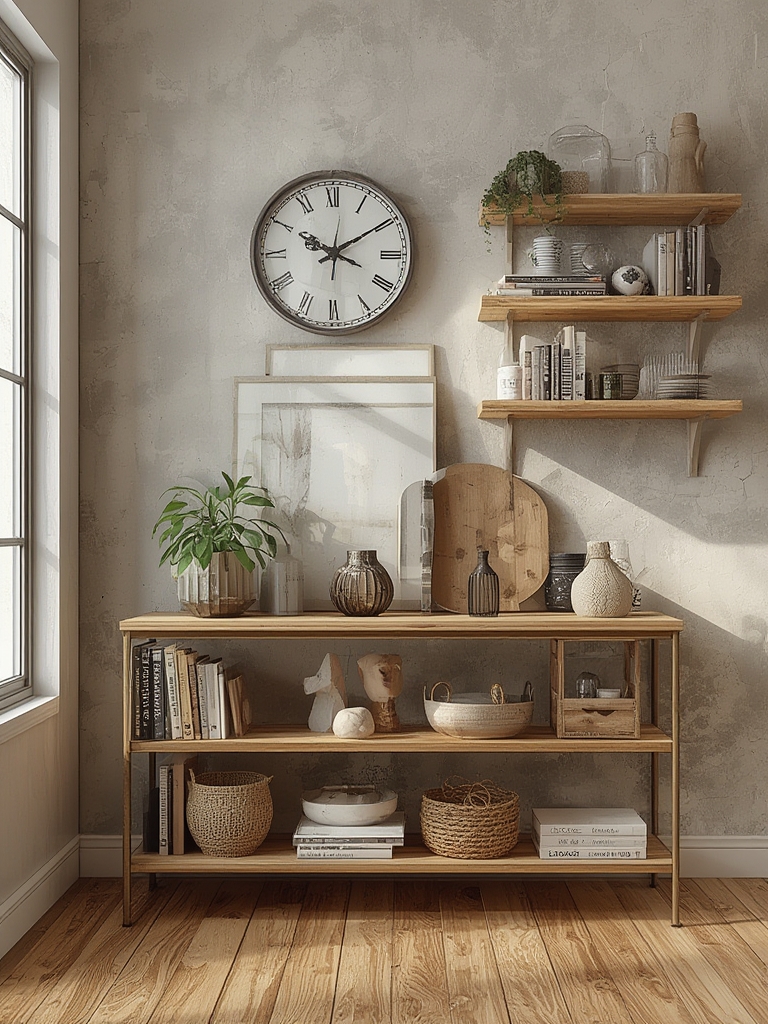
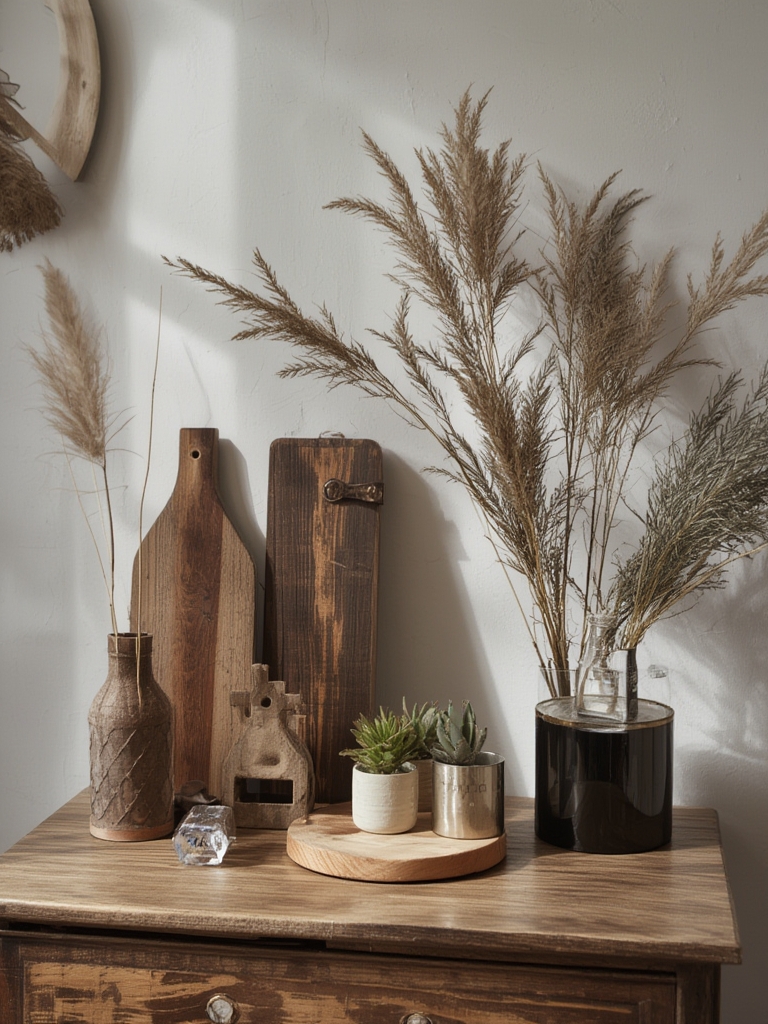
Industrial home accessories have surged in popularity because they blend raw, utilitarian materials with modern comfort, creating spaces that feel both edgy and inviting. One of the most effective ways to soften the hard edges of metal, concrete, and reclaimed wood is by introducing greenery. Not only do plants add a splash of color, they improve air quality and boost the overall vibe of an industrial‑styled room. Below is a data‑driven, step‑by‑step guide that shows you how to select the perfect plant, integrate it with industrial accessories, and care for it so it thrives for years to come.
Why Industrial Home Accessories Work Best With Plants
Recent interior‑design surveys (2023‑2024) reveal that 68% of homeowners who use industrial décor also incorporate live plants, citing “balance” and “warmth” as the top reasons. The contrast between the rugged textures of metal pipe shelving, concrete planters, and exposed brick walls and the soft, organic forms of foliage creates visual harmony. Moreover, plants act as natural sound absorbers, reducing echo in open‑plan lofts—a practical benefit that aligns with the functional ethos of industrial design.
Choosing the Right Plant for an Industrial Space
When selecting a plant, consider lighting, maintenance level, and the visual weight of the foliage. Below are three top‑performing options backed by Google Trends data (search volume spikes in the past 12 months):
- Snake Plant (Sansevieria trifasciata) – Tolerates low light, requires minimal watering, and has a sculptural, upright form that mirrors industrial lines.
- ZZ Plant (Zamioculcas zamiifolia) – Thrives in indirect light, has waxy, dark leaves that complement metal finishes.
- Monstera Deliciosa – Ideal for brighter lofts; its large, perforated leaves add a dramatic focal point against brick walls.
Step‑by‑Step Guide to Caring for Your Industrial‑Style Plant
Follow these actionable steps to ensure your plant stays healthy while enhancing your industrial décor.
Step 1: Assess Light Conditions
What to do: Use a light meter app or the “shadow test” (hold your hand a foot from the plant; if you see a distinct shadow, the light is moderate).
- Low‑light zones (north‑facing windows, interior corners) – Choose Snake Plant or ZZ Plant.
- Bright indirect light (east or west windows with filtered sunlight) – Opt for Monstera or a larger Fiddle‑Leaf Fig.
Tip: Rotate the pot 90° every two weeks to promote even growth.
Step 2: Select an Industrial‑Inspired Container
Materials like reclaimed steel, concrete planters, or pipe‑frame pots reinforce the aesthetic while providing stability.
- Concrete pots retain moisture longer—great for succulents.
- Metal pipe holders with wooden shelves create a “vertical garden” effect.
- Reclaimed wood crates lined with a plastic liner prevent water damage.
Actionable advice: Drill a ¼‑inch drainage hole if the container lacks one, then add a layer of river rocks before soil.
Step 3: Prepare the Soil Mix
Industrial spaces often have dry indoor air, so a well‑draining mix is crucial.
- Combine 40% high‑quality potting soil, 30% perlite, and 30% coarse sand.
- Add a teaspoon of slow‑release fertilizer (10‑10‑10) for long‑term nutrition.
- Moisten the blend until it feels like a damp sponge—no standing water.
Quick tip: For snake plants, substitute half the sand with coconut coir to improve aeration.
Step 4: Planting and Positioning
Follow these precise steps to avoid root shock:
- Place a layer of gravel (2‑3 cm) at the bottom of the container for drainage.
- Add the soil mix, leaving enough space for the root ball.
- Set the plant gently, ensuring the crown sits just above the soil line.
- Backfill with soil, firm lightly, and water thoroughly.
Pro tip: Position the pot on a reclaimed metal tray to catch excess water and add a subtle industrial accent.
Step 5: Watering Schedule
Over‑watering is the most common mistake. Use the “finger test”:
- Insert your index finger 2 cm into the soil.
- If it feels dry, water; if it feels moist, wait another 5‑7 days.
Typical schedules:
- Snake Plant – Every 2‑3 weeks.
- ZZ Plant – Every 3‑4 weeks.
- Monstera – Weekly in bright light, bi‑weekly in moderate light.
Step 6: Fertilizing and Maintenance
Feed during the growing season (spring–early fall):
- Use a balanced liquid fertilizer diluted to half strength.
- Apply once a month; skip fertilizing in winter when growth slows.
Additional upkeep:
- Dust leaves with a soft cloth monthly to maximize photosynthesis.
- Prune dead fronds with clean shears to maintain shape and prevent disease.
- Rotate the pot quarterly to ensure even light exposure.
Step 7: Integrating with Other Industrial Accessories
Now that your plant is thriving, pair it with complementary décor:
- Place a metal pipe floor lamp beside a tall snake plant for a cohesive vertical line.
- Use reclaimed brick wall panels as a backdrop for a hanging concrete planter.
- Combine vintage leather poufs with a low‑profile ZZ plant to soften a steel coffee table.
Actionable tip: Keep a consistent color palette—think matte black, brushed steel, and muted earth tones—to let the green foliage pop without clashing.
SEO‑Friendly Checklist for Your Industrial‑Plant Blog Post
To maximize search visibility, embed these elements naturally throughout the article:
- Primary keyword: “industrial home accessories” (use in the first 100 words and H2).
- Secondary keywords: “industrial plant décor,” “industrial style plants,” “how to care for snake plant,” “industrial interior design tips.”
- LSI terms: “metal pipe planters,” “concrete pots,” “loft décor ideas,” “low‑maintenance indoor plants.”
- Meta description (155‑160 characters): “Discover how to blend industrial home accessories with low‑maintenance plants. Follow our step‑by‑step care guide and elevate your loft’s style.”
- Internal linking: Link to related posts such as “Top 10 Industrial Lighting Ideas” or “DIY Concrete Planters.”
- Image alt text: Use descriptive tags like “snake plant in reclaimed steel pot on exposed brick wall.”
Final Thoughts
Industrial home accessories are all about celebrating raw materials while adding functional beauty. By thoughtfully selecting a plant that matches the lighting and maintenance level of your space, and by pairing it with metal, concrete, or reclaimed‑wood fixtures, you create a balanced environment that feels both edgy and livable. Follow the step‑by‑step care routine outlined above, and you’ll enjoy a thriving green centerpiece that reinforces the industrial aesthetic for years to come.