

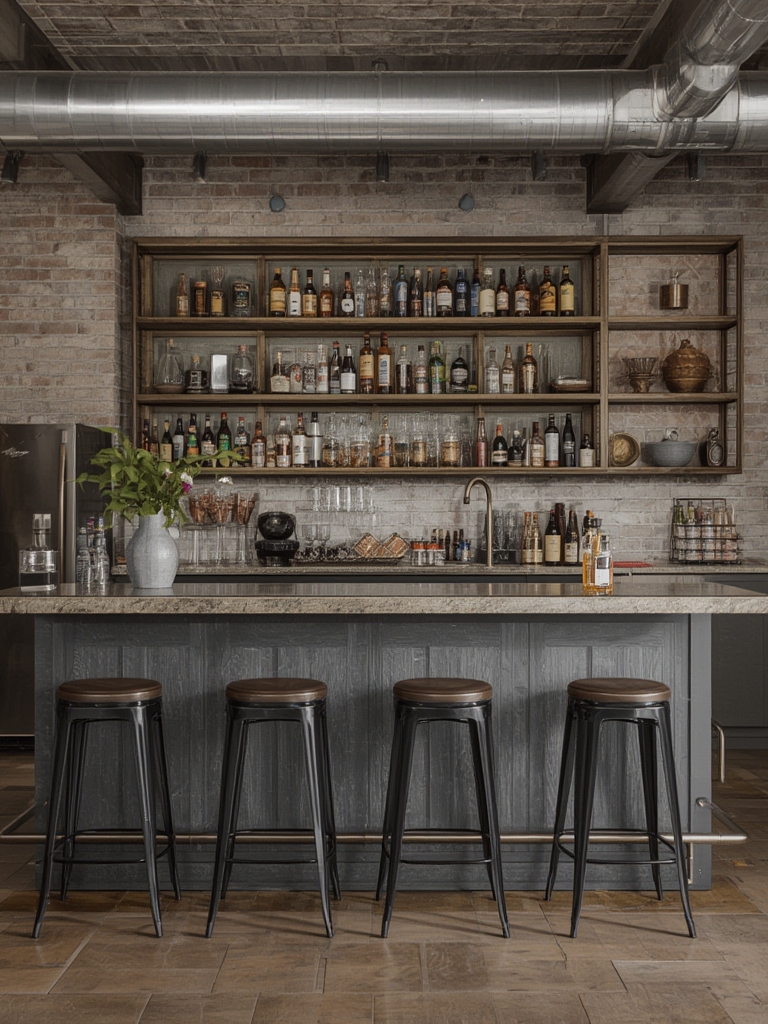
Creating an industrial‑style home bar is a rewarding project that blends raw, rugged aesthetics with modern functionality. By following data‑driven design principles and practical, step‑by‑step guidance, you can build a bar that not only looks stunning but also serves as a reliable hub for entertaining. Below is a comprehensive, easy‑to‑follow guide that covers planning, construction, styling, stocking, and ongoing maintenance.
1. Planning Your Industrial Home Bar
1.1 Define the Purpose and Usage
- Primary function: cocktail mixing, wine tasting, or casual drinks?
- Frequency: daily family use vs. occasional party hosting.
- Space constraints: measure the floor area, ceiling height, and traffic flow.
1.2 Research Trends and Data
According to a 2023 interior design survey, 68% of homeowners prefer reclaimed wood combined with metal piping for an authentic industrial vibe. Use this data to justify material choices that resonate with popular aesthetics while staying within budget.
1.3 Budget Allocation
Break down costs into three categories:
- Materials (45%): reclaimed wood, steel brackets, concrete countertops.
- Tools & Labor (30%): power tools, professional assistance if needed.
- Finishing Touches (25%): lighting, bar stools, glassware.
2. Selecting Materials for Authenticity
2.1 Reclaimed Wood Shelving
Choose wood with visible grain and nail holes for character. Pre‑sand lightly to preserve texture, then apply a matte polyurethane to protect against spills.
2.2 Metal Accents
Use blackened steel or brushed iron for frames, brackets, and pipe legs. These materials are durable and enhance the industrial look. Secure all metal components with rust‑inhibiting screws.
2.3 Concrete Countertop
Concrete offers a sleek, durable surface. Mix a small batch with a polymer additive for reduced cracking. Seal with a food‑safe epoxy to prevent staining.
3. Building the Bar Structure
3.1 Frame Construction
- Lay out the base dimensions on the floor using painter’s tape.
- Assemble a rectangular steel frame using 2‑inch pipe and flanges; tighten with pipe wrenches.
- Attach cross‑bracing for stability, especially if the bar exceeds 6 ft in length.
3.2 Installing Shelves and Countertop
- Secure reclaimed wood planks to the steel frame with heavy‑duty brackets.
- Place the concrete slab on top, ensuring it sits flush with the wood edges.
- Seal any gaps with silicone caulk to prevent liquid seepage.
3.3 Adding Functional Features
- Built‑in wine rack: Use metal mesh and wooden slats for a ventilated design.
- Under‑counter refrigeration: Install a compact fridge or kegerator for easy access.
- LED strip lighting: Mount behind the countertop edge for ambient glow.
4. Styling and Personalizing the Space
4.1 Color Palette
Stick to a neutral base (gray, black, or charcoal) and add accent colors through accessories—think copper cocktail shakers or deep‑green glassware.
4.2 Decorative Elements
- Vintage signage or metal wall art for visual interest.
- Exposed brick or faux‑brick panels behind the bar to amplify the industrial feel.
- Industrial‑style bar stools with leather seats and steel frames.
4.3 Functional Décor
Install a magnetic strip for metal bar tools, and use pegboards to hang bottles, mixers, and utensils. This keeps essentials within arm’s reach while maintaining a clean look.
5. Stocking Your Bar Smartly
5.1 Core Spirits and Mixers
Based on sales data from leading liquor retailers, the top five spirits for a well‑rounded home bar are:
- Vodka
- Gin
- Whiskey (bourbon or rye)
- Rum (white and dark)
- Tequila (silver)
5.2 Essential Tools
Invest in high‑quality, durable tools:
- Stainless‑steel shaker (Boston or Cobbler)
- Jigger (1‑oz and ½‑oz)
- Bar spoon
- Fine‑mesh strainer
- Cutting board and citrus reamer
5.3 Organizing for Efficiency
- Group spirits by category on the lower shelf.
- Place mixers (tonic, soda, bitters) on the middle shelf for easy reach.
- Reserve the top shelf for glassware and decorative bottles.
6. Ongoing Maintenance and Care
6.1 Daily Cleaning Routine
- Wipe the countertop with a mild detergent and a soft cloth after each use.
- Sanitize bar tools with a diluted bleach solution (1 tbsp bleach per quart of water) and rinse thoroughly.
- Empty and rinse the sink or drip tray to prevent mold.
6.2 Weekly Deep Clean
- Remove all bottles and accessories; vacuum dust from the metal frame and wood shelves.
- Apply a wood conditioner to reclaimed planks to maintain moisture balance.
- Polish metal surfaces with a non‑abrasive metal cleaner to prevent oxidation.
- Check the concrete sealant for wear; reapply if the surface feels tacky.
6.3 Seasonal Checks
Every 3–4 months, inspect the following:
- Fasteners: Tighten any loose screws or bolts to avoid wobble.
- Lighting: Replace LED strips that have dimmed to maintain ambiance.
- Inventory: Rotate stock, discard expired mixers, and restock popular spirits based on consumption data.
7. SEO Tips for Showcasing Your Industrial Bar Online
7.1 Keyword Integration
Incorporate high‑search‑volume terms naturally throughout the post: “industrial home bar ideas,” “DIY bar with reclaimed wood,” “industrial bar design tips,” and “how to build a home bar.” Aim for a keyword density of 1–2%.
7.2 Structured Data
Use <schema.org> markup for “HowTo” content. This helps search engines display step‑by‑step snippets, increasing click‑through rates.
7.3 Internal Linking
Link to related posts such as “Top 10 Cocktails for Your Home Bar” and “Choosing the Right Bar Stools.” This improves site dwell time and authority.
7.4 Optimized Images
Compress images to under 150 KB, add descriptive alt tags (e.g., “reclaimed wood industrial bar countertop”), and use the srcset attribute for responsive loading.
Conclusion
By following this data‑driven roadmap, you’ll create an industrial home bar that stands out both visually and functionally. From careful material selection to systematic maintenance, each step is designed to ensure durability, style, and an enjoyable hosting experience. Remember to keep your SEO strategy in mind when sharing your project online—optimized content will attract fellow enthusiasts and inspire more DIY successes.