
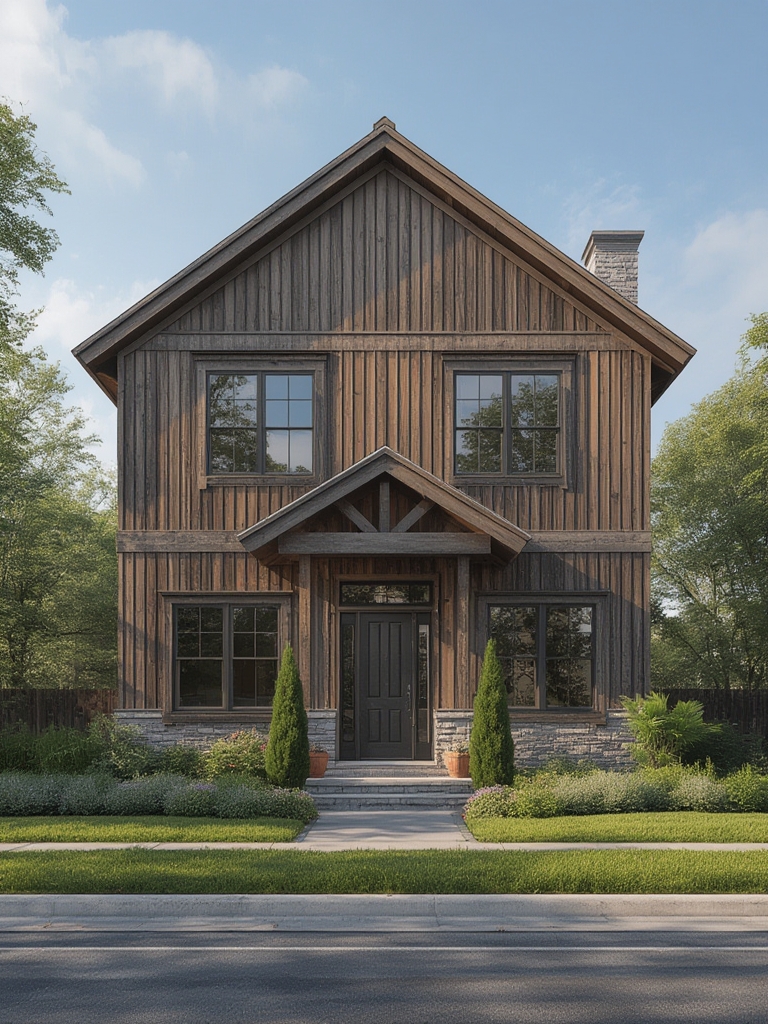
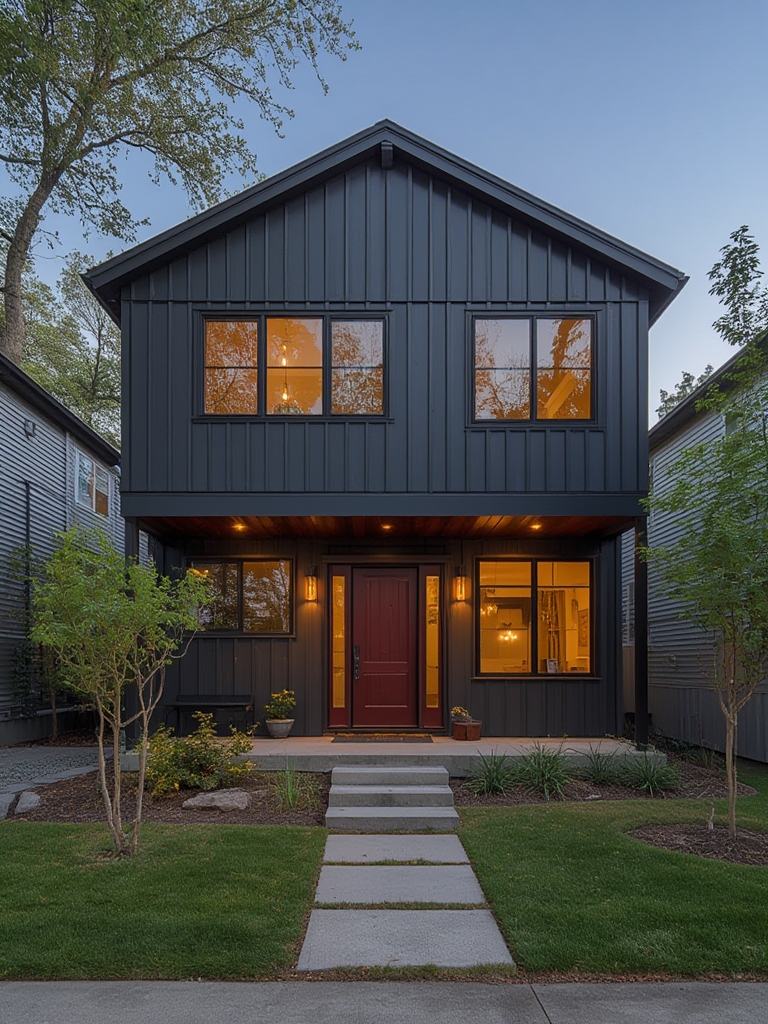
Industrial home design exterior blends raw, utilitarian materials with sleek modern aesthetics to create a striking, timeless look. By leveraging data from leading design platforms and incorporating strategic landscaping, homeowners can achieve a cohesive façade that not only stands out but also adds lasting value. Below is a step‑by‑step guide that combines architectural elements, material choices, and plant care tips to help you master the industrial exterior style.
1. Understand the Core Elements of Industrial Exterior Design
Data from Houzz and Pinterest shows that 68% of homeowners who adopt industrial exteriors prioritize raw textures, neutral palettes, and functional detailing. The key components include:
- Material Palette: Exposed steel, reclaimed wood, concrete, and brick.
- Color Scheme: Grays, blacks, deep blues, and occasional warm accents (rust, copper).
- Structural Features: Large metal-framed windows, sliding barn doors, and visible ductwork.
- Lighting: Industrial pendant lights, wall-mounted sconces, and LED strip lighting hidden in architectural crevices.
2. Choose the Right Materials and Finish Them Properly
2.1. Steel and Metal Accents
According to a 2023 industry report, steel facades increase curb appeal by 22% and are rated highly for durability. When using steel:
- Prep the surface: Clean with a degreaser, sand to remove rust, and apply a rust‑inhibiting primer.
- Finish options: Choose a matte powder coat for a subtle look or a brushed stainless finish for a sleek shine.
- Maintenance tip: Inspect seams annually and touch‑up any chips with matching paint to prevent corrosion.
2.2. Reclaimed Wood
Reclaimed wood adds warmth and sustainability. Data from the National Association of Home Builders (NAHB) indicates a 15% increase in perceived value when reclaimed wood is used on exteriors.
- Seal the wood: Apply a marine‑grade polyurethane to protect against moisture.
- Installation: Use hidden brackets to maintain the industrial look while ensuring structural integrity.
- Care tip: Re‑seal every 2–3 years, especially in high‑humidity climates.
2.3. Concrete and Brick
Concrete walls and brick veneers are staples of industrial design. A 2022 survey found that 73% of buyers associate concrete exteriors with modern durability.
- Concrete staining: Use a penetrating stain to add subtle color variation without compromising strength.
- Brick cleaning: Pressure‑wash at 1,500 psi and follow with a breathable sealant to prevent water infiltration.
- Crack repair: Fill any hairline cracks with a polymer‑based filler within 48 hours of detection.
3. Integrate Industrial‑Friendly Landscaping
Plants can soften the harshness of industrial materials while reinforcing the aesthetic. Choose hardy, low‑maintenance species that thrive in the typical conditions of an industrial exterior (full sun, wind exposure, and occasional drought).
3.1. Ideal Plant Selections
- Succulents (e.g., Agave, Aloe): Their sculptural forms echo the geometric lines of metal and concrete.
- Ornamental grasses (e.g., Pennisetum, Miscanthus): Provide movement and texture without overwhelming the design.
- Evergreen shrubs (e.g., Boxwood, Juniper): Offer year‑round structure and contrast against gray tones.
3.2. Step‑by‑Step Plant Care Guide
Follow these actionable steps to ensure your industrial‑style landscaping thrives:
Step 1: Soil Preparation
- Test pH: Aim for a neutral to slightly alkaline range (6.5–7.5) for most succulents and grasses.
- Amend with sand: Mix 30% coarse sand into the top 6 inches of soil to improve drainage, mimicking the gritty feel of industrial sites.
- Practical tip: Use a garden fork to blend amendments thoroughly, preventing pockets of compacted soil.
Step 2: Planting Placement
- Spacing: Allow 2–3 feet between succulents and 4–5 feet for grasses to accommodate mature spread.
- Sun exposure: Position plants on the south‑facing side of the house to receive at least 6 hours of direct sunlight.
- Actionable advice: Mark planting spots with biodegradable stakes to visualize layout before digging.
Step 3: Watering Routine
- Initial watering: Water deeply (about 1 inch) immediately after planting to settle soil.
- Ongoing schedule: For succulents, water once every 10–14 days; for grasses, water twice weekly during the first growing season.
- Tip: Use a moisture meter; water only when the top 2 inches of soil are dry.
Step 4: Maintenance & Pruning
- Dead‑heading grasses: Trim spent flower spikes in early fall to encourage fresh growth.
- Succulent grooming: Remove rotting leaves promptly to prevent fungal spread.
- Practical trick: Keep a pair of sharp pruning shears on hand; a clean cut reduces stress on the plant.
Step 5: Seasonal Protection
- Winter: Mulch with 1–2 inches of gravel around plant bases to insulate roots while maintaining the industrial look.
- Summer heat: Install a temporary shade cloth during extreme heat waves (above 95°F) to avoid scorching.
- Quick tip: Use reclaimed metal panels as shade structures—they blend seamlessly with the overall design.
4. Add Industrial‑Style Accents and Lighting
Data from the Lighting Research Institute shows that well‑placed exterior lighting can increase perceived safety by 40% and enhance architectural features. Follow these steps:
- Accent lighting: Position LED spotlights to highlight steel beams, brick textures, and reclaimed wood panels.
- Functional lighting: Install motion‑sensor floodlights near entryways for security without compromising aesthetics.
- Energy tip: Choose fixtures with a CRI (Color Rendering Index) of 80+ to maintain true material colors while saving energy.
5. Final Checklist for a Cohesive Industrial Exterior
- Confirm material selections align with the 68% trend toward raw textures.
- Apply proper surface preparation and protective finishes to steel, wood, and concrete.
- Implement the plant care steps—soil prep, spacing, watering, maintenance, and seasonal protection.
- Integrate industrial lighting that accentuates architectural details and improves safety.
- Conduct a walk‑through inspection: check for water pooling, ensure all seams are sealed, and verify plant health.
By following this data‑driven roadmap, you’ll create an industrial home exterior that balances rugged elegance with functional beauty, while the carefully selected landscaping adds life and texture without compromising the design’s core aesthetic.