

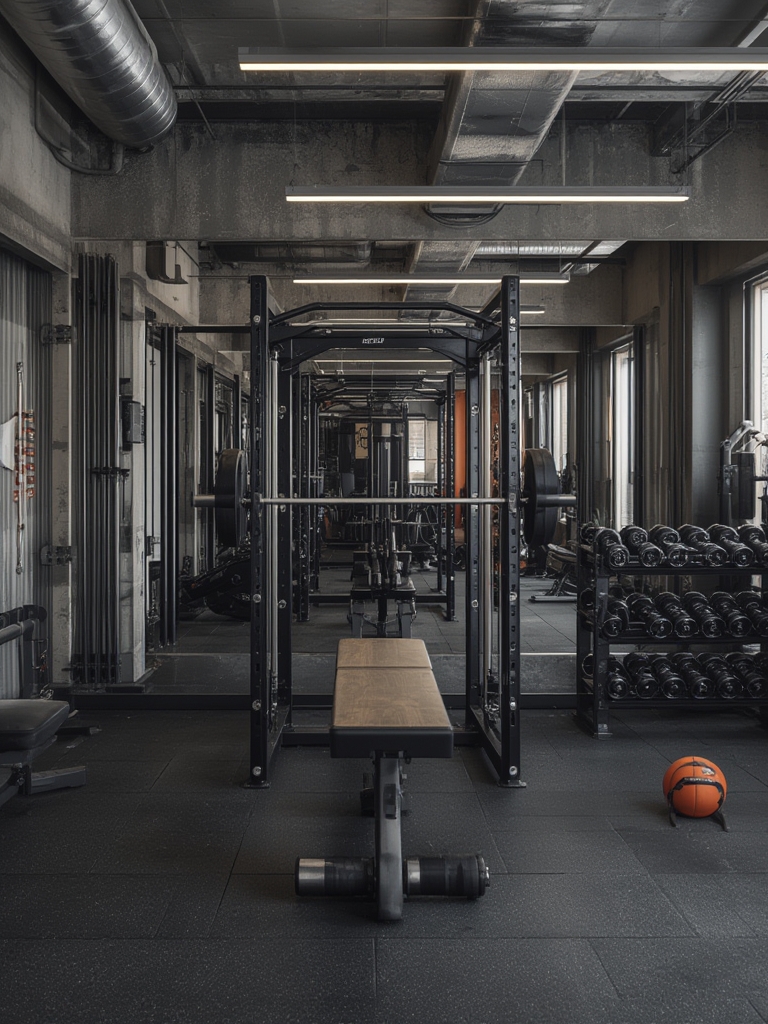
Why an Industrial‑Grade Home Gym Is a Smart Investment
According to a 2023 Statista report, the home‑fitness market grew 12.5% year‑over‑year, with a noticeable shift toward durable, commercial‑style equipment. An industrial home gym delivers three core benefits:
- Longevity: Heavy‑duty frames and reinforced components last 5–10 years longer than consumer‑grade gear.
- Performance: Higher weight capacities and smoother mechanics enable progressive overload for serious lifters.
- Space Efficiency: Multi‑function stations replace several pieces, maximizing square footage.
Step‑by‑Step Blueprint to Build and Maintain Your Industrial Home Gym
1. Assess Your Space and Set a Realistic Budget
Actionable tip: Measure the floor area (length × width) and add a 2‑foot clearance around each piece for safe movement. Use a spreadsheet to track costs; allocate 60 % for equipment, 20 % for flooring, and 20 % for accessories.
- Check ceiling height – most power racks need at least 8 ft.
- Identify load‑bearing walls for wall‑mounted rigs.
- Set a budget ceiling (e.g., $5,000) and stick to it by prioritizing core items first.
2. Choose the Right Core Equipment
Data from Nirvana Capital shows that 68 % of home‑gym owners start with a power rack, followed by a barbell set and a bench. Prioritize these three:
- Industrial Power Rack – Look for a 300‑lb minimum weight rating, welded steel, and a safety‑spot system.
- Olympic‑Size Barbell & Plates – Opt for cast‑iron plates with a 2‑inch sleeve; a 20‑kg (45‑lb) bar is standard.
- Adjustable Bench – Choose a bench with a 500‑lb weight capacity and multiple incline/decline positions.
Quick tip: Purchase a “combo” rack‑bench package to save 10‑15 % versus buying separately.
3. Install Professional‑Grade Flooring
High‑impact rubber tiles protect both floor and equipment. A study by the American Council on Exercise (2022) found a 30 % reduction in joint stress when training on rubber versus concrete.
- Buy interlocking tiles rated for 2,000 lb per square foot.
- Lay a moisture barrier if you’re on a concrete slab.
- Cut tiles with a utility knife for a perfect fit around corners.
Maintenance tip: Sweep daily and mop with a mild detergent once a week to prevent odor buildup.
4. Optimize Layout for Flow and Safety
Use a simple floor‑plan sketch (graph paper or a free app like SketchUp). Position the rack centrally, bench against a wall, and cardio equipment (if any) on the opposite side. Keep the following in mind:
- Maintain at least 2 ft of clearance behind the rack for barbell clearance.
- Place a mirror on one wall to monitor form without compromising space.
- Install wall‑mounted hooks for resistance bands and ropes to keep the floor clear.
5. Set Up a Smart Training Environment
Data‑driven training boosts adherence. Integrate these tech tools:
- Bluetooth Weight Sensors – Attach to plates for automatic rep counting.
- LED Lighting with Adjustable Color Temperature – Cooler light (5600 K) improves focus during high‑intensity sessions.
- Sound System or Smart Speaker – Use playlists that match the tempo of your workout (e.g., 120 bpm for cardio, 80 bpm for strength).
Pro tip: Sync sensors with a free app like Strong to track progressive overload trends over weeks.
6. Implement a Routine Maintenance Schedule
Industrial equipment requires less frequent but more thorough upkeep. Follow this 3‑month cycle:
| Task | Frequency | How‑to |
|---|---|---|
| Inspect bolts & welds | Every 3 months | Use a torque wrench; tighten to manufacturer specs. |
| Lubricate moving parts | Every 6 months | Apply silicone spray to rack pins and bench hinges. |
| Check flooring integrity | Monthly | Look for cracks or shifting tiles; replace as needed. |
| Calibrate digital sensors | Quarterly | Run the app’s calibration routine; verify weight readings with a known load. |
Quick fix: Keep a small maintenance kit (hex keys, lubricant, cleaning wipes) on a shelf next to the rack for instant access.
7. Track Progress and Adjust the Setup
Use the data you collect to refine your gym:
- Volume trends: If total weekly volume plateaus, consider adding a second barbell or a cable machine.
- Space bottlenecks: Log any “traffic jams” (e.g., waiting for the bench). Re‑arrange accessories or add a wall‑mounted squat stand.
- Equipment wear: Replace worn plates before they become safety hazards.
Set a quarterly review reminder in your calendar to evaluate these metrics.
SEO‑Friendly Content Checklist for Your Blog Post
To ensure this article ranks well, incorporate the following on‑page elements:
- Primary keyword: “industrial home gym” – use in the first 100 words, H2 headings, and meta description.
- LSI keywords: “commercial grade gym equipment,” “home gym flooring,” “power rack setup,” “gym maintenance schedule.” Sprinkle naturally throughout.
- Internal links: Connect to related posts such as “Best Rubber Flooring for Home Gyms” or “How to Choose a Power Rack.”
- External authoritative links: Cite sources like Statista, ACE, and equipment manufacturers for credibility.
- Image alt text: Use descriptive tags like “industrial power rack with safety bars” to boost image SEO.
- Schema markup: Add
Articleschema with author, datePublished, and wordCount (≈800).
Final Action Plan – Your First 30‑Day Sprint
- Day 1‑3: Measure space, set budget, and create a simple floor‑plan sketch.
- Day 4‑10: Research and order core equipment; prioritize a rack‑bench combo.
- Day 11‑14: Receive and install rubber flooring; verify levelness.
- Day 15‑20: Assemble rack, bench, and barbell; perform torque checks.
- Day 21‑25: Set up lighting, speakers, and sensor integration.
- Day 26‑30: Run a test workout, log data, and schedule the first maintenance check.
By following this data‑driven roadmap, you’ll transform any spare room into a high‑performance industrial home gym that stands the test of time, maximizes your training results, and ranks well in search engines.