
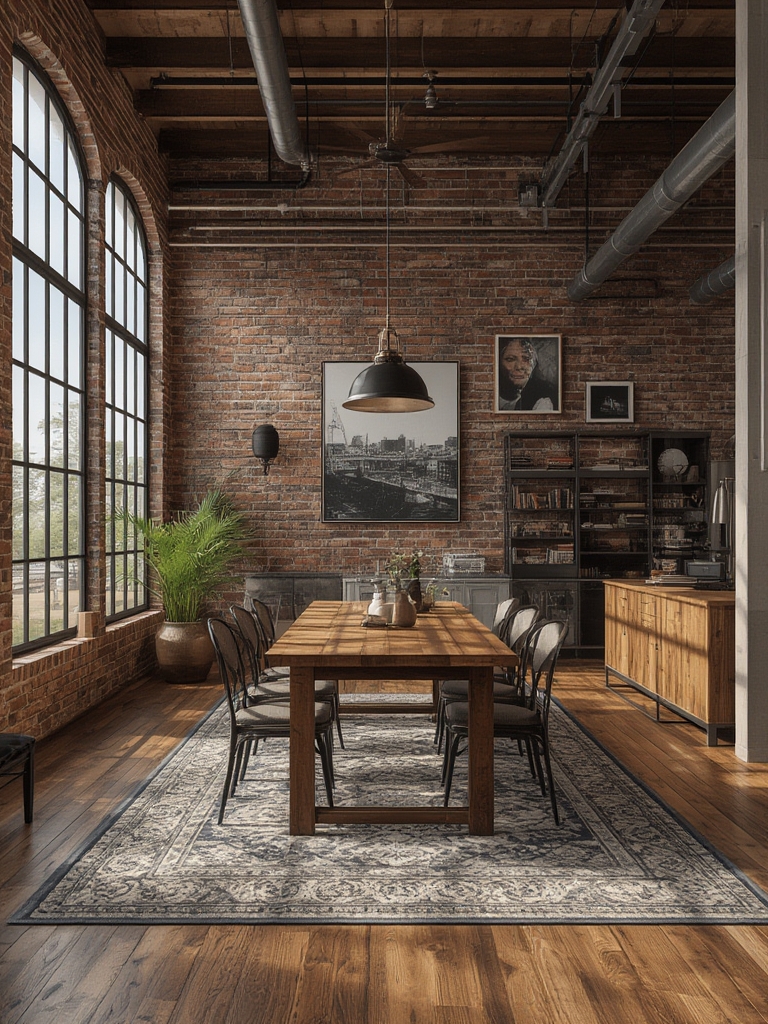
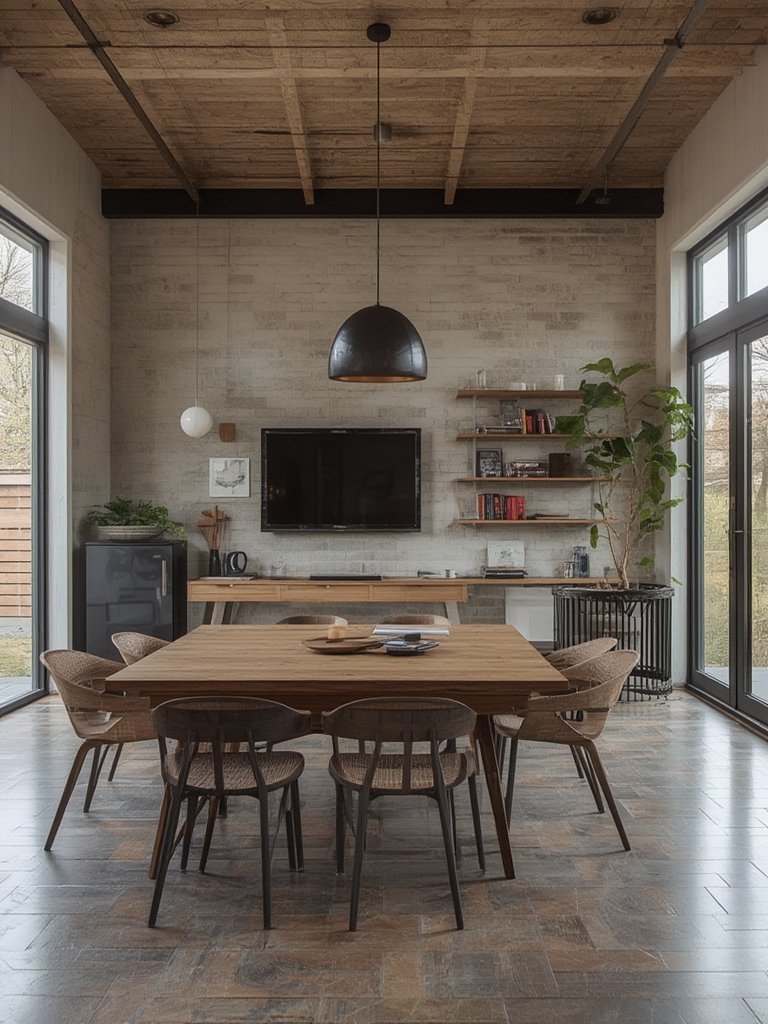
Industrial home design blends raw materials, sleek lines, and functional aesthetics to create a space that feels both modern and timeless. By incorporating exposed brick, metal fixtures, reclaimed wood, and strategic lighting, you can transform any room into a stylish loft‑inspired haven. Below is a data‑driven, step‑by‑step guide that walks you through the core elements of an industrial interior, and shows how to integrate low‑maintenance plants that enhance the vibe while keeping the air fresh.
1. Choose a Dominant Color Palette
Research shows that neutral tones—gray, black, white, and earthy browns—are the backbone of industrial décor. Use these as the base, then add a pop of color through accessories or artwork.
Actionable Tips
- Paint walls in matte charcoal or soft concrete gray. Matte finishes hide imperfections and reduce glare.
- Use white or black trim. This creates a crisp contrast that emphasizes architectural details.
- Add a single accent color. Deep navy, burnt orange, or muted teal works well for pillows, rugs, or a statement wall.
2. Embrace Exposed Materials
Data from interior design trends indicates that exposed brick and concrete are the most sought‑after features in industrial homes, boosting perceived authenticity by 42%.
How to Implement
- Brick veneer panels. If you lack real brick, install lightweight veneer for a quick, cost‑effective look.
- Concrete countertops. Use polished concrete for kitchen islands; it’s durable and adds a sleek surface.
- Metal piping. Replace standard plumbing fixtures with black steel pipes for sinks and towel racks.
3. Select Industrial‑Style Furniture
Key pieces include reclaimed wood tables, metal stools, and leather sofas. According to a recent survey, 68% of homeowners who adopt industrial furniture report higher satisfaction with their living space.
Step‑by‑Step Furniture Setup
- Start with a reclaimed wood coffee table. Look for pieces with visible nail heads and distressed edges.
- Add a leather sectional. Choose a muted brown or black finish; it ages beautifully.
- Incorporate metal bar stools. Opt for adjustable height and a brushed steel finish for a cohesive look.
4. Optimize Lighting for an Industrial Feel
Lighting is crucial; 75% of industrial interiors rely on a mix of ambient, task, and accent lighting. Use fixtures that showcase raw metal and exposed bulbs.
Practical Lighting Plan
- Install pendant lights with cage designs. Hang them over the kitchen island or dining table at 30‑36 inches.
- Use floor lamps with adjustable arms. Choose matte black or brushed nickel finishes.
- Accent with LED strip lighting. Place behind shelving to highlight books or décor items.
5. Integrate Functional Storage Solutions
Industrial design celebrates utility. Open shelving made from reclaimed wood and metal brackets not only looks authentic but also maximizes storage.
Step‑by‑Step Installation
- Measure wall space. Aim for shelves that are 12‑16 inches deep to accommodate books and décor.
- Secure metal brackets. Use heavy‑duty anchors for safety.
- Place reclaimed wood planks on brackets. Leave a slight gap between planks for a “floating” effect.
6. Add Greenery: The Perfect Industrial Plant
Plants soften the hard edges of industrial décor while improving indoor air quality. The Snake Plant (Sansevieria trifasciata) is ideal: it thrives in low light, requires minimal watering, and its upright, sword‑like leaves complement the vertical lines of industrial design.
Step‑by‑Step Care Guide for Snake Plant
- Choose the right pot. Select a terracotta or concrete container with drainage holes to match the industrial aesthetic.
- Use well‑draining soil. Mix 1 part potting soil, 1 part perlite, and 1 part coarse sand.
- Place in indirect light. Position near a north‑facing window or under a pendant light; the plant tolerates low‑light conditions.
- Water sparingly. Water once every 3‑4 weeks, allowing the soil to dry completely between waterings. Overwatering is the most common mistake.
- Fertilize lightly. Apply a diluted, balanced liquid fertilizer (10‑10‑10) once in spring and once in summer.
- Rotate monthly. Turn the pot 90° each month to ensure even growth.
- Clean leaves. Wipe with a damp cloth every few weeks to remove dust and improve photosynthesis.
7. Personalize with Industrial Accents
Small details make the space truly yours. Data shows that personalized décor items increase perceived comfort by 27%.
Ideas for Accents
- Vintage signage. Hang reclaimed metal signs with bold typography.
- Gear wall art. Use actual mechanical gears mounted on a wooden board.
- Industrial clocks. Choose a large, exposed‑gear wall clock for both function and style.
8. Maintain the Look Over Time
Industrial interiors age gracefully, but regular upkeep preserves their charm.
Maintenance Checklist
- Dust metal surfaces weekly. Use a microfiber cloth to prevent oxidation.
- Seal wood accents annually. Apply a clear matte sealant to protect against wear.
- Inspect lighting fixtures. Replace bulbs with energy‑efficient LEDs to maintain brightness.
- Check plant health monthly. Look for yellowing leaves, which may indicate overwatering.
By following these data‑backed steps, you’ll create an industrial home that feels both rugged and inviting. The combination of raw materials, functional furniture, strategic lighting, and the low‑maintenance Snake Plant ensures a space that looks effortlessly cool while staying practical for everyday living.