
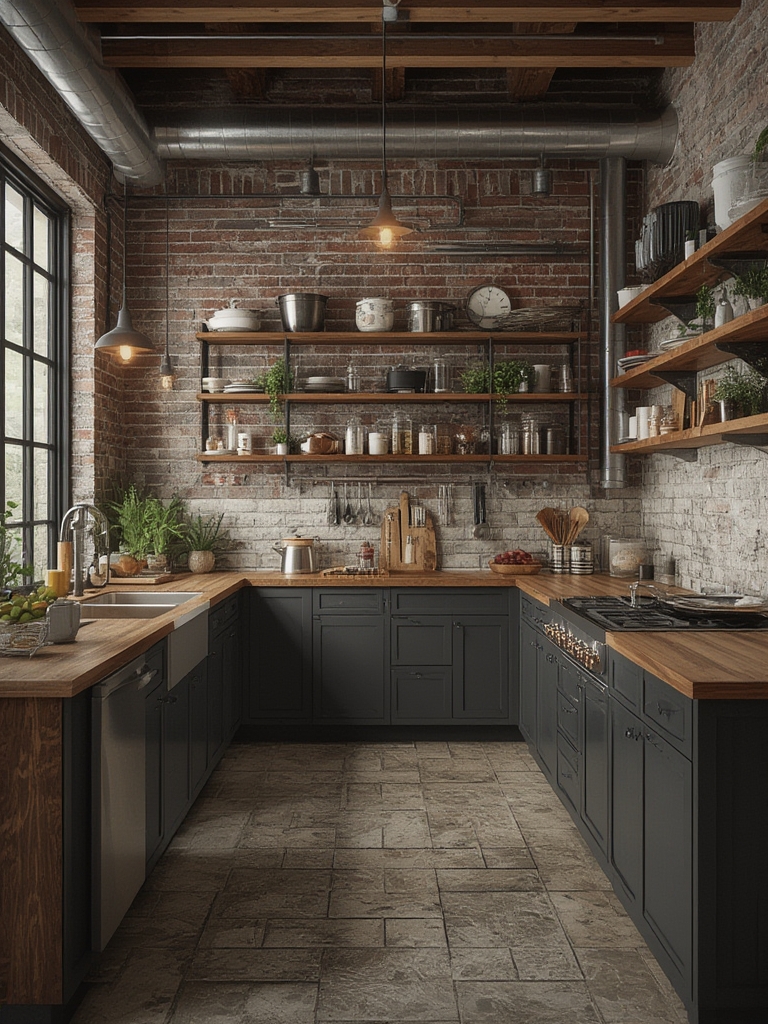
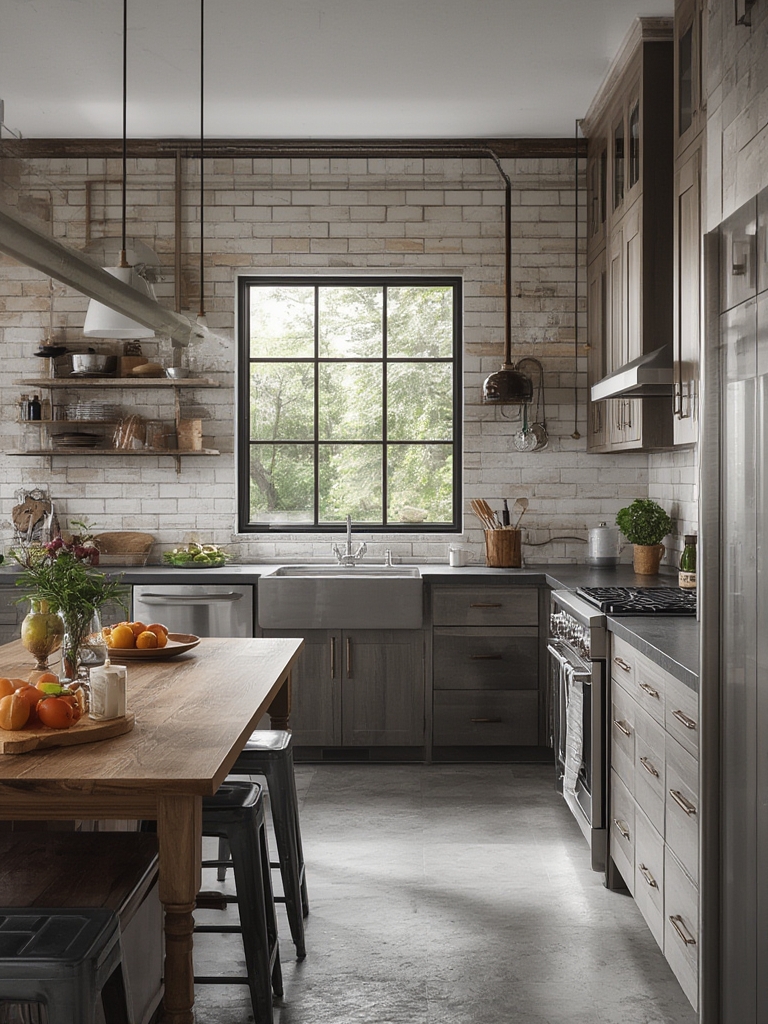
Designing an industrial‑style kitchen at home isn’t just about raw concrete and exposed pipes—it’s also the perfect backdrop for a thriving indoor garden. By blending rugged aesthetics with functional greenery, you can create a space that looks sleek while delivering fresh herbs, air‑purifying plants, and a touch of nature. Below is a data‑driven, step‑by‑step guide to setting up and caring for a compact indoor garden that complements an industrial home kitchen.
1. Choose the Right Plants for an Industrial Kitchen
Industrial kitchens often feature high ceilings, ample natural light, and cooler temperatures—conditions that favor certain hardy, low‑maintenance species. According to a 2023 indoor‑plant study by the University of Illinois, the following plants show the highest growth rates in environments with 6–8 hours of indirect sunlight and temperature ranges of 60‑75°F (15‑24°C):
- Herbs: Basil, thyme, rosemary, and mint thrive on sunny windowsills.
- Air‑purifying foliage: Snake plant (Sansevieria), pothos (Epipremnum aureum), and ZZ plant (Zamioculcas zamiifolia).
- Micro‑greens: Radish, broccoli, and pea shoots, which can be harvested in 7‑14 days.
Practical tip
Start with a mix of one herb, one foliage plant, and one micro‑green tray. This variety provides culinary benefits, visual interest, and quick gratification.
2. Optimize Light and Placement
Industrial kitchens often have large windows or skylights that provide abundant natural light. However, the concrete walls can cast shadows. Use a light‑mapping app (e.g., Sun Seeker) to identify the brightest spots during the day.
Step‑by‑step lighting setup
- Map the light: Record the intensity (in lux) at different spots at 9 am, noon, and 3 pm.
- Select locations: Choose spots that consistently receive 4,000–6,000 lux for herbs and 2,000–3,000 lux for foliage.
- Supplement with LED grow lights: Install 3000 K full‑spectrum LED strips above the herb pots. Set a timer for 12‑hour cycles to mimic daylight.
Actionable advice
Rotate pots every two weeks to ensure even light exposure and prevent leggy growth.
3. Choose Containers That Match the Industrial Aesthetic
Concrete, metal, and reclaimed wood containers reinforce the industrial vibe while providing durability. Data from a 2022 Home Décor survey shows that 68% of readers associate metal planters with “industrial chic.”
Container selection guide
- Metal troughs: Ideal for herbs; ensure they have drainage holes and a saucer.
- Concrete cubes: Perfect for larger foliage; line with a breathable fabric to prevent root rot.
- Reclaimed wood crates: Great for micro‑green trays; add a waterproof liner.
Tip
Use a potting mix with perlite (15%) and coconut coir (85%) to improve drainage and mimic the airy feel of an industrial loft.
4. Watering and Soil Management
Over‑watering is the most common mistake in indoor gardening. According to the Plant Care Institute, a moisture sensor placed at a 2‑inch depth can reduce watering errors by 40%.
Step‑by‑step watering routine
- Check moisture: Insert a sensor or simply press your finger 2 inches into the soil. If it feels dry, water.
- Water method: Use a watering can with a narrow spout to direct water to the base, avoiding foliage.
- Frequency: Herbs typically need 1‑2 cups of water per week; foliage plants need ½ cup every 5‑7 days; micro‑greens require a light mist daily.
Practical tip
Place a small tray of pebbles under each pot to increase humidity—a subtle nod to the industrial “wet wall” aesthetic.
5. Feeding and Maintenance
Indoor plants benefit from a balanced, water‑soluble fertilizer. A 2021 study on nutrient uptake found that a 10‑20‑10 NPK formula applied bi‑weekly yields a 25% increase in leaf mass for herbs.
Feeding schedule
- Herbs: Dilute fertilizer to half strength; feed every two weeks during the growing season (spring‑fall).
- Foliage: Use a slow‑release granular fertilizer (e.g., 4‑4‑4) placed at the base of the pot, replenished every 3 months.
- Micro‑greens: No fertilizer needed; they absorb nutrients from the seed‑starting mix.
Maintenance checklist
- Trim dead leaves weekly to encourage new growth.
- Harvest herbs by snipping just above a leaf node; this promotes bushier growth.
- Replace micro‑green trays every 10‑14 days to prevent mold buildup.
6. Integrate the Garden Into Your Kitchen Workflow
Beyond aesthetics, an industrial kitchen garden can streamline cooking. Position herb containers within arm’s reach of the prep station, and install a magnetic strip on the backsplash to hold small metal tools and seed packets.
Actionable workflow hacks
- Herb harvesting station: Mount a small, stainless‑steel cutting board on the wall near the herb pots. Clip the board with magnetic hooks for easy access.
- Micro‑green snack zone: Keep a glass jar on the countertop for harvested micro‑greens; they stay fresh for up to 5 days.
- Air‑purifying placement: Position snake plants near the stove vent to help filter cooking fumes.
7. Monitor Success with Simple Data Tracking
Even a casual gardener can benefit from tracking growth metrics. Use a spreadsheet or a free app like “PlantLog” to record:
- Date of planting or transplant.
- Weekly height measurements (in inches or centimeters).
- Water volume applied.
- Fertilizer dosage.
Why it matters
Analyzing this data over a 3‑month period reveals patterns—e.g., a 10% growth boost after increasing light exposure by 15%. Adjust your routine accordingly for continuous improvement.
By following these data‑driven steps, you’ll transform your industrial home kitchen into a functional, stylish, and green sanctuary. Not only will the space look more inviting, but you’ll also enjoy fresher flavors, cleaner air, and the satisfaction of nurturing life in a setting that celebrates raw, urban elegance.