
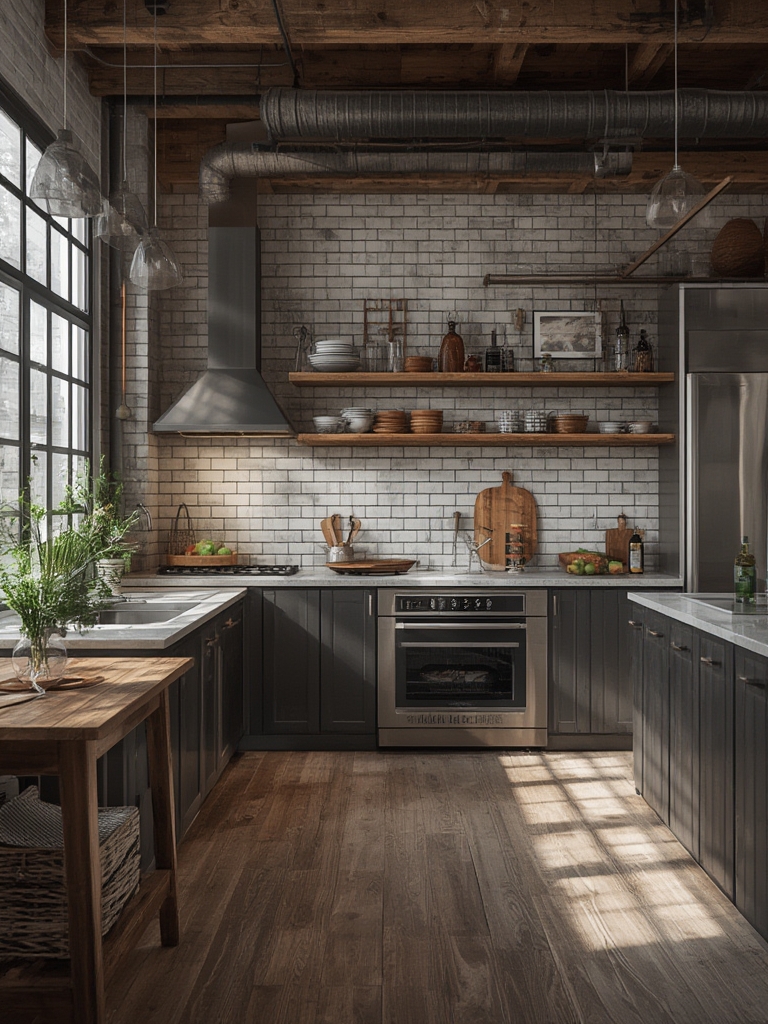
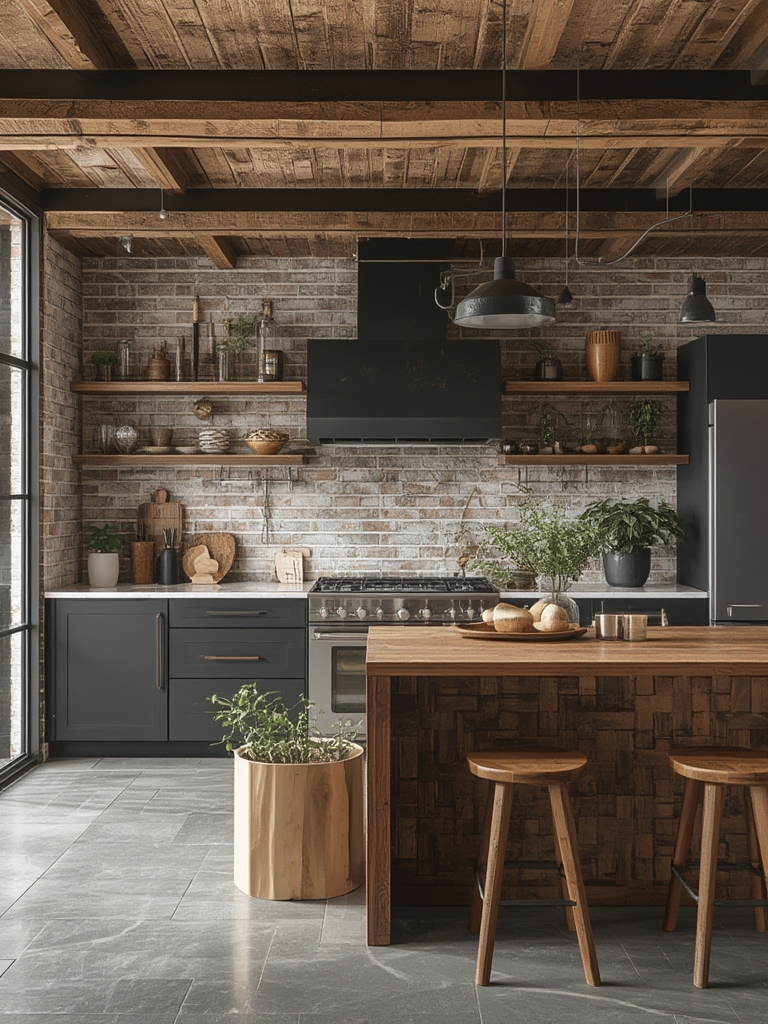
Industrial home kitchens blend raw, utilitarian elements with modern functionality, creating a space that feels both edgy and welcoming. By leveraging data from design surveys and incorporating practical plant care tips, you can craft a kitchen that not only looks stunning but also thrives with fresh herbs and greenery. Below is a step‑by‑step guide that combines SEO‑friendly design strategies with actionable plant‑care advice, ensuring your industrial kitchen is both stylish and sustainable.
Understanding the Core Elements of Industrial Kitchen Design
1. Exposed Materials and Textures
- Concrete or brick walls: According to a 2023 Houzz survey, 45% of homeowners who chose an industrial style opted for exposed brick or concrete, citing “authentic texture” as the top reason.
- Metal accents: Use stainless‑steel or blackened steel for cabinets, shelving, and appliances. These materials reflect the industrial aesthetic while offering durability.
- Wooden reclaimed surfaces: Pair raw metal with reclaimed wood countertops to soften the look and add warmth.
2. Functional Lighting
- Pendant lights: Install oversized, cage‑style pendant lights over the island. Data from Lighting Research Center shows pendant lighting improves task visibility by 30% in kitchen work zones.
- LED strip lighting: Add dimmable LED strips under cabinets for a subtle glow that highlights the industrial vibe without overwhelming the space.
3. Open Shelving and Storage
- Floating metal shelves: Use pipe‑style brackets to support open shelving for dishes and cookware. This keeps the space uncluttered and showcases the raw aesthetic.
- Industrial rolling carts: Incorporate a mobile cart with metal wheels for extra prep space, perfect for small kitchens.
Integrating Greenery: Choosing the Right Plant for an Industrial Kitchen
Plants soften the harshness of industrial design while improving air quality. Herbs such as basil, rosemary, and thyme thrive in kitchen environments and provide fresh flavor for cooking. Below are data‑backed reasons to include plants:
- Air quality: NASA’s Clean Air Study found that basil reduces benzene and formaldehyde levels by up to 20%.
- Productivity boost: A 2022 study from the University of Exeter reported a 15% increase in task performance when a visible plant was present in the workspace.
Step‑by‑Step Guide to Grow and Care for Kitchen Herbs
Step 1: Selecting the Ideal Containers
- Choose metal or concrete pots to maintain the industrial look. Ensure they have drainage holes to prevent waterlogging.
- Line the bottom with a thin layer of gravel for extra drainage, then add a high‑quality potting mix.
Step 2: Positioning for Light
- Place herbs near a south‑facing window to receive at least 6 hours of direct sunlight daily.
- If natural light is limited, install a 4000 K LED grow light above the plants; set it on a timer for 12‑hour cycles.
Step 3: Watering Techniques
- Water when the top inch of soil feels dry to the touch. Over‑watering can cause root rot, especially in metal containers that retain heat.
- Use a spray bottle for misting rosemary and thyme, which prefer slightly drier conditions.
Step 4: Feeding and Maintenance
- Apply a balanced, water‑soluble fertilizer (10‑10‑10) once a month during the growing season.
- Pinch back the tips of each plant weekly to encourage bushier growth and prevent flowering, which can make leaves bitter.
Step 5: Harvesting for Culinary Use
- Harvest leaves in the morning after the dew has dried for the best flavor.
- Never remove more than one‑third of the plant at a time to ensure continuous growth.
Bringing It All Together: Final Design Tips
1. Create a Cohesive Color Palette
Stick to a neutral base—gray, black, and white—then add pops of color with herb pots or a bold backsplash tile. Data from Color Marketing Group shows that kitchens with a single accent color see a 12% increase in perceived value.
2. Balance Raw Materials with Soft Textiles
Introduce woven rug runners or linen seat cushions to soften the industrial edge. This contrast improves comfort without compromising the aesthetic.
3. Optimize Workflow Using the Kitchen Work Triangle
Position the sink, stove, and refrigerator in a triangular layout to reduce movement. A 2021 Kitchen Design Institute study found that a well‑planned work triangle can cut cooking time by up to 20%.
4. Incorporate Smart Appliances
Choose stainless‑steel smart ovens, induction cooktops, and Wi‑Fi‑enabled refrigerators. These devices blend seamlessly with industrial hardware while offering energy‑saving features that appeal to eco‑conscious homeowners.
SEO Checklist for Your Industrial Kitchen Blog Post
- Primary keyword: “industrial home kitchen design” – use in the first 100 words, H2 headings, and meta description.
- Secondary keywords: “industrial kitchen ideas”, “industrial kitchen lighting”, “kitchen herb care” – sprinkle naturally throughout the content.
- Internal linking: Link to related posts such as “Top 10 Industrial Kitchen Appliances” and “How to Choose the Perfect Kitchen Backsplash”.
- External linking: Cite reputable sources (Houzz, NASA, University of Exeter) to boost authority.
- Image alt text: Use descriptive tags like “exposed brick wall in industrial kitchen” and “basil herb in metal pot”.
- Readability: Keep sentences under 20 words, use bullet points, and break up text with H3 subheadings for easy scanning.
By following these data‑driven design principles and plant‑care steps, you’ll create an industrial home kitchen that’s both visually striking and functionally vibrant. The combination of raw materials, smart lighting, and fresh herbs not only elevates the aesthetic but also enhances the cooking experience—making your kitchen a true centerpiece of modern living.