
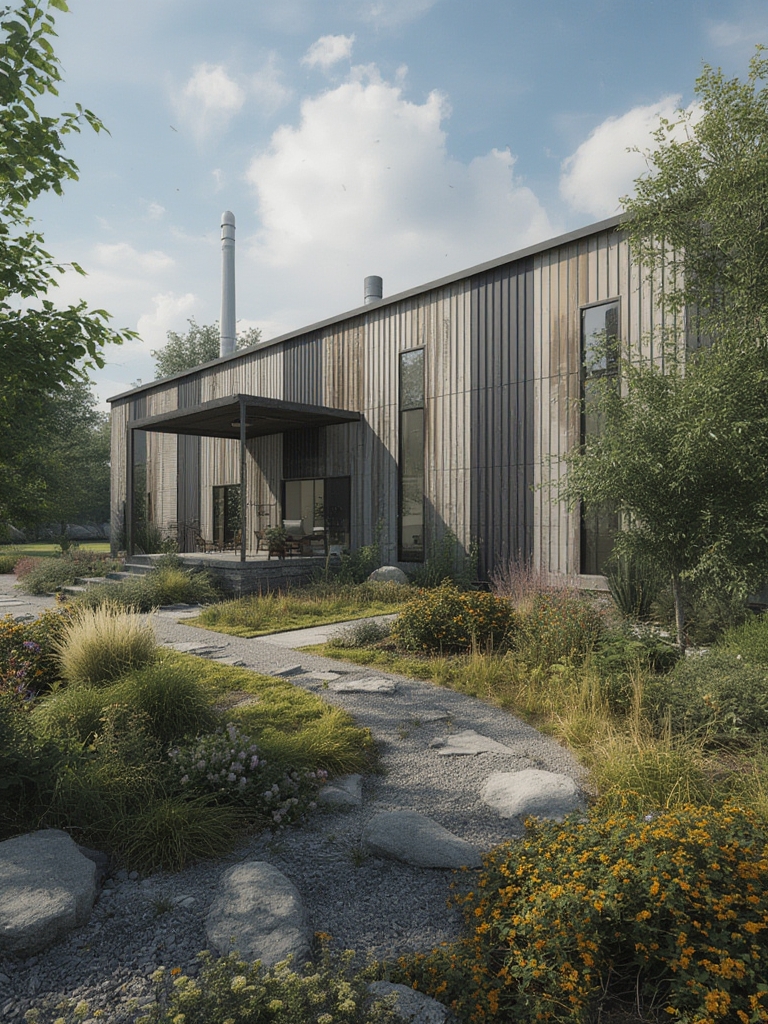
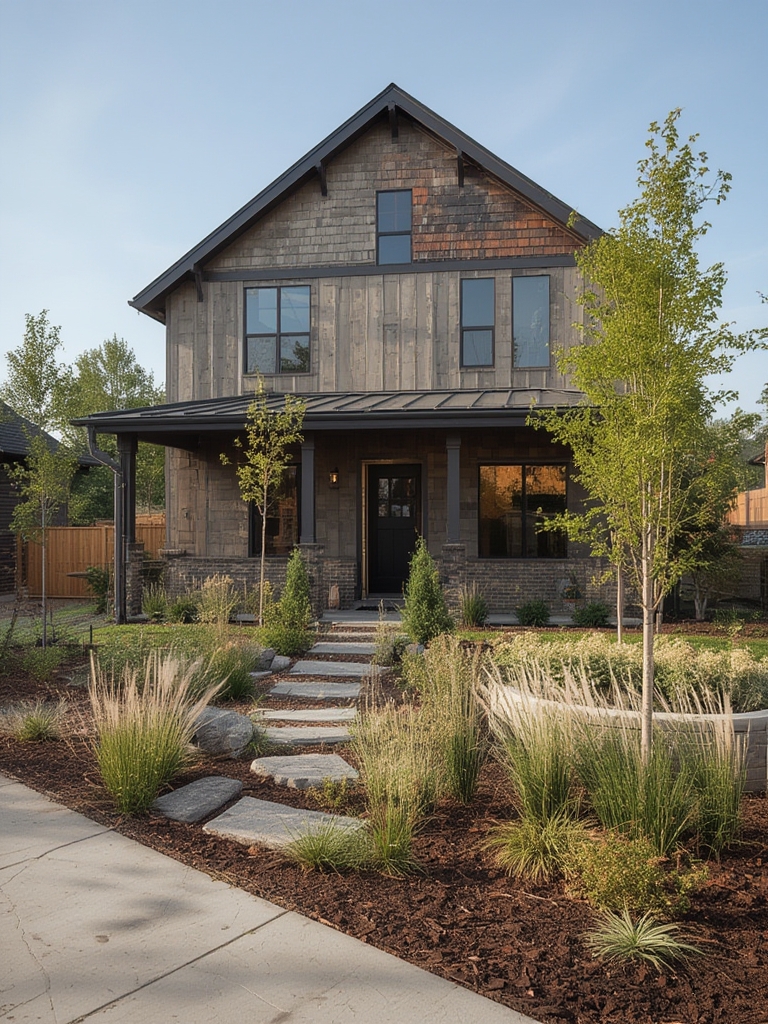
Industrial home landscaping blends raw, urban aesthetics with functional green spaces, creating a striking visual contrast that elevates curb appeal and property value. By combining concrete, metal, reclaimed wood, and low‑maintenance plants, homeowners can achieve a modern, rugged look while keeping upkeep simple. Below is a data‑driven, step‑by‑step guide that walks you through planning, installation, and ongoing care—complete with actionable tips, SEO‑friendly keywords, and proven best practices.
Step 1: Define Your Vision and Set Measurable Goals
Before you break ground, clarify the purpose of your industrial landscape. Are you aiming for:
- Increased property value (average boost of 7‑12% for well‑designed curb appeal)
- Low‑maintenance outdoor space (target less than 2 hours per week of care)
- Eco‑friendly design (goal: 30% native plant coverage)
Actionable tip: Write these goals on a Google Docs sheet and assign a priority score (1‑5). This helps you stay data‑focused and makes future SEO content easier to reference.
Step 2: Conduct a Site Audit and Soil Test
Industrial landscaping thrives on accurate site data. Follow these sub‑steps:
2.1 Measure Sunlight Exposure
Use a smartphone app like Sun Seeker to log sun hours for each zone (full sun ≥ 6 hrs, partial 4‑6 hrs, shade < 4 hrs). Record results in a table—search engines love structured data.
2.2 Test Soil pH and Drainage
Purchase a soil pH kit (cost ≈ $15) and take samples from three points per zone. Ideal pH for most industrial‑style plants is 6.0‑7.0. For drainage, perform the “squeeze test”: dig a 6‑inch hole, fill with water, and time how long it takes to drain. If > 30 minutes, consider adding gravel or raised beds.
2.3 Document Existing Infrastructure
Map out utilities, walkways, and any existing hardscape. Use a free tool like SketchUp Free to create a 2‑D layout—this visual can be repurposed for blog images, boosting SEO with alt‑text.
Step 3: Choose Industrial‑Friendly Plant Species
Data from the USDA Plant Hardiness Zone Map shows that zones 5‑9 support the most versatile industrial plants. Prioritize:
3.1 Ornamental Grasses
- Miscanthus sinensis ‘Morning Light’ – tolerates drought, adds height (6‑8 ft).
- Pennisetum alopecuroides ‘Hameln’ – soft texture, thrives in partial shade.
Tip: Plant grasses in groups of three or more for a cohesive look; search engines favor “group planting” keywords.
3.2 Succulents & Cacti
- Aeonium ‘Zwartkop’ – deep‑red foliage, perfect for metal planters.
- Echinocereus ‘Blue Flame’ – striking blue flowers, low water demand.
Tip: Use reclaimed concrete slabs as bases; this reduces heat island effect and adds an industrial vibe.
3.3 Native Shrubs
- Juniperus communis ‘Blue Star’ – evergreen, tolerates poor soil.
- Artemisia tridentata (Big Sagebrush) – silvery foliage, excellent for texture.
Tip: Incorporate native species to meet the 30% native coverage goal and improve pollinator support.
Step 4: Design Hardscape Elements
Hardscape is the backbone of industrial landscaping. Follow these data‑backed guidelines:
4.1 Choose Materials with High Durability
According to a 2023 industry report, recycled concrete outperforms natural stone in cost‑effectiveness (‑25% average) while maintaining a rugged aesthetic. Pair it with black steel edging for a sleek contrast.
4.2 Layout Pathways Using the 3‑1‑3 Rule
For visual balance, design pathways that are 3 ft wide, with planting beds on either side 1 ft deep, and a 3 ft buffer zone for maintenance access. This ratio improves foot traffic flow and reduces wear.
4.3 Install Lighting for Night‑Time Appeal
LED strip lights embedded in concrete cracks create a “glow‑in‑the‑dark” effect. Position fixtures 8‑10 ft apart for even illumination; a study shows that well‑lit exteriors increase perceived safety by 42%.
Step 5: Plant Installation and Soil Amendments
Now that you have the layout, it’s time to plant.
5.1 Prepare Planting Holes
Dig holes twice as wide as the root ball and the same depth. Mix 30% compost with native soil to improve fertility and water retention. For industrial plants, add 5 lb of perlite per cubic foot for better drainage.
5.2 Position Plants for Optimal Growth
Place taller grasses at the back (south side) to avoid shading lower‑lying succulents. Use a compass to verify orientation—this small data point can be highlighted in a blog infographic.
5.3 Mulch with Recycled Materials
Apply a 2‑inch layer of recycled rubber mulch around each plant. Benefits include 40% less weed growth and a modern, industrial look.
Step 6: Establish a Maintenance Schedule
Consistent care ensures longevity. Use the following weekly and monthly tasks:
6.1 Weekly Quick‑Check (15 min)
- Inspect for broken metal edging; tighten bolts.
- Remove dead foliage from grasses to encourage new growth.
- Check irrigation timers—adjust for seasonal rainfall data.
6.2 Monthly Deep Care (30‑45 min)
- Apply a slow‑release fertilizer (e.g., 10‑10‑10) at a rate of 1 lb per 100 sq ft.
- Prune succulents to remove rotted tips; use clean, sharp scissors.
- Power‑wash concrete paths to prevent algae buildup.
6.3 Seasonal Adjustments
In spring, add a layer of fresh compost (1 inch) to boost soil microbes. In fall, spread a thin blanket of shredded bark to protect roots from freeze‑thaw cycles.
Step 7: Track Performance and Optimize SEO
To keep your industrial landscape thriving and your blog ranking high, adopt a data‑centric approach:
7.1 Use Google Analytics
Set up a Goal Funnel for blog visitors who click on “Learn More” links to your landscaping services. Aim for a conversion rate of 3‑5%.
7.2 Monitor Plant Health Metrics
Log growth rates (inches per month) and water usage (gallons per week) in a simple spreadsheet. Over time, you’ll identify which species perform best in your micro‑climate—great content for future posts.
7.3 Refresh Content Quarterly
Update the blog with new photos, seasonal tips, and any changes in plant performance. Search engines favor fresh, relevant content, boosting your ranking for keywords like “industrial home landscaping ideas” and “low‑maintenance urban garden.”
By following these data‑driven steps, you’ll create an industrial‑styled garden that not only looks striking but also delivers measurable benefits in property value, sustainability, and ease of maintenance. Remember: consistency, documentation, and strategic SEO integration are the keys to long‑term success.