
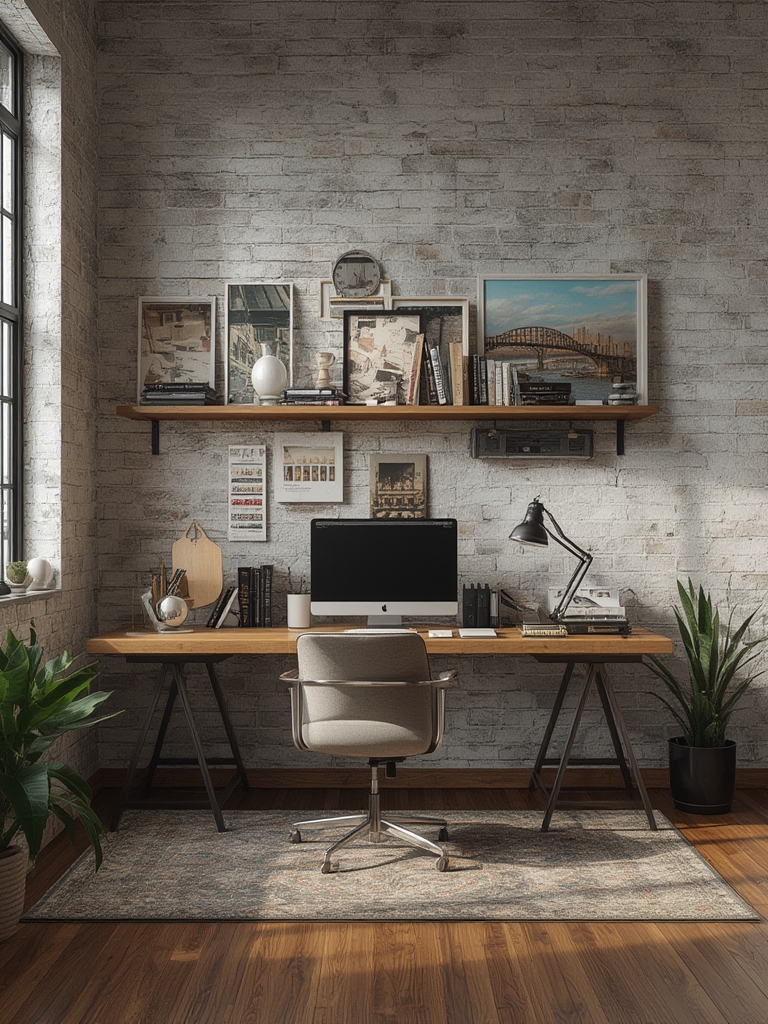
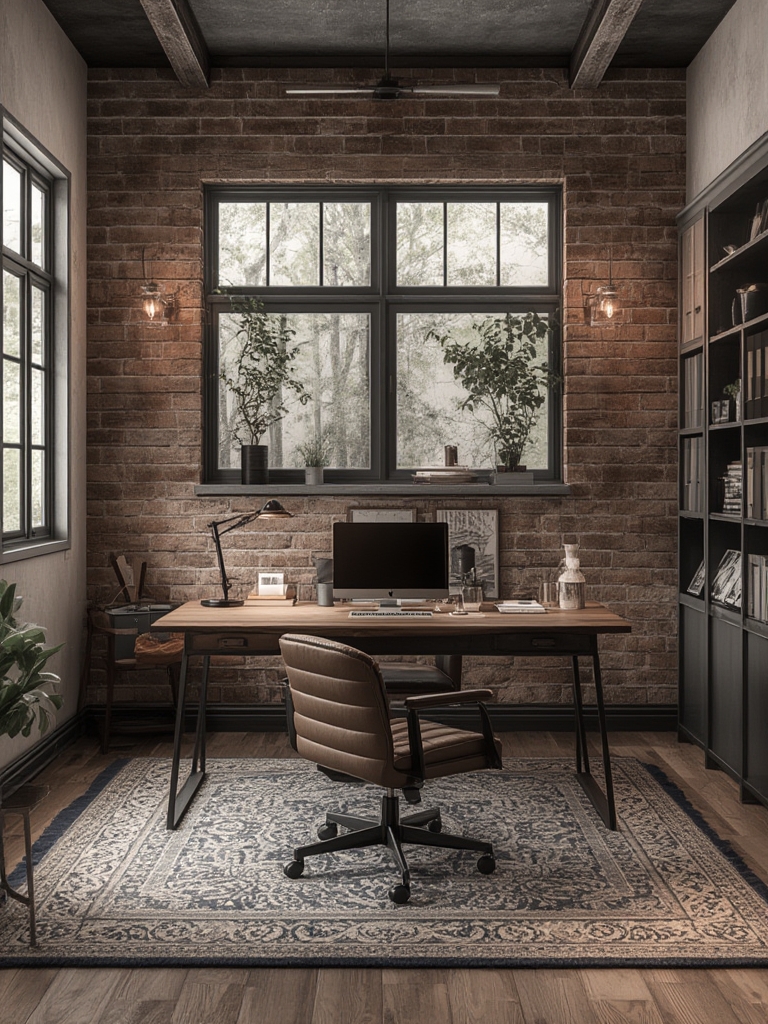
Why Choose an Industrial Look for Your Home Office?
Industrial design isn’t just a trend—it’s a timeless aesthetic that blends raw materials, functional furniture, and a minimalist vibe. For remote workers, freelancers, and entrepreneurs, an industrial home office can boost focus, inspire creativity, and convey professionalism even when you’re working from a kitchen table. By leveraging exposed brick, metal accents, reclaimed wood, and neutral color palettes, you create a space that feels both modern and grounded.
Step‑by‑Step Guide to Building an Industrial Home Office
1. Assess the Space and Set a Budget
- Measure twice, plan once. Use a tape measure or a laser tool to record the room’s dimensions, ceiling height, and window placement.
- Define a realistic budget. Allocate funds for core items (desk, chair, lighting) first, then earmark a portion for decorative accents and DIY projects.
- Prioritize functionality. List essential tasks (video calls, drafting, filing) and match each to a specific zone in the room.
Tip: Create a simple spreadsheet to track costs and compare alternatives before purchasing.
2. Choose a Color Palette That Amplifies the Industrial Vibe
- Base colors: Opt for shades of gray, charcoal, or muted navy on walls. These hues echo concrete and steel.
- Accent tones: Add warmth with rust, deep olive, or burnt orange through décor items like cushions or wall art.
- Finish with neutrals. White or off‑white ceilings keep the space from feeling too heavy.
Practical tip: Paint a single accent wall with a matte charcoal finish to create depth without overwhelming the room.
3. Select Core Furniture with Industrial DNA
- Desk: Look for reclaimed wood tops paired with blackened steel legs. A simple, sturdy design supports multiple monitors and accessories.
- Chair: Choose an ergonomic chair upholstered in leather or faux‑leather. The material ages beautifully and adds a tactile contrast.
- Storage: Metal filing cabinets, open shelving with pipe brackets, or vintage lockers keep the look cohesive while providing practical organization.
Actionable advice: Measure your monitor setup before buying a desk to ensure adequate surface area and cable management space.
4. Light It Right – Combine Function and Atmosphere
- Ambient lighting: Install dimmable LED recessed lights or industrial-style pendant lamps with exposed bulbs.
- Task lighting: Add a metal desk lamp with an adjustable arm for focused work.
- Accent lighting: Use Edison‑style string lights or wall‑mounted sconces to highlight artwork or shelving.
Quick tip: Position lighting at a 45‑degree angle from the desk to reduce glare on screens while maintaining a warm glow.
5. Incorporate Raw Materials and Textures
- Flooring: Exposed concrete, polished concrete tiles, or reclaimed wood planks reinforce the industrial feel.
- Wall treatments: If you lack brick, consider a brick veneer panel or a concrete wallpaper.
- Accessories: Metal wire baskets, vintage gear clocks, and industrial pipe coat racks add functional décor.
Practical trick: Apply a clear sealant to reclaimed wood floors to protect against spills while preserving the natural patina.
6. Optimize Acoustics for Productivity
- Rugs: Place a low‑pile, neutral‑colored rug under the desk to dampen echo without compromising the aesthetic.
- Acoustic panels: Choose fabric‑wrapped panels in muted tones; mount them on walls where sound reflection is strongest.
- Soft furnishings: Add a leather armchair or a fabric pouf for occasional breaks and sound absorption.
Tip: Test the room’s acoustics by clapping your hands; if the echo persists, add another rug or panel.
7. Personalize with Thoughtful Details
- Greenery: A few low‑maintenance succulents in metal pots bring life without breaking the industrial vibe.
- Art & signage: Hang black‑and‑white photography, vintage factory prints, or motivational quotes in simple frames.
- Tech integration: Conceal cables using cable trays or zip ties painted to match the desk color.
Actionable advice: Rotate decorative items every few months to keep the space fresh and inspiring.
SEO‑Friendly Content Tips for Your Blog Post
When publishing this guide on WordPress, follow these quick SEO steps to boost visibility:
- Keyword placement: Use “industrial home office design” in the first 100 words, in at least one H2, and naturally throughout the post.
- Meta description: Write a concise 150‑character summary that includes the primary keyword.
- Image optimization: Add high‑resolution photos of each step, rename files with descriptive names (e.g., industrial‑desk‑setup.jpg), and fill out alt text with relevant keywords.
- Internal linking: Link to related posts such as “Best Ergonomic Chairs for Home Offices” or “How to Choose Industrial Lighting.”
- Readability: Keep sentences under 20 words, use bullet points, and break up large paragraphs with H3 subheadings.
Final Checklist – Your Industrial Home Office in One Glance
- Space measured, budget set, functional zones defined.
- Color palette chosen: neutral base, warm accents.
- Industrial‑style desk, ergonomic leather chair, metal storage selected.
- Layered lighting installed: ambient, task, accent.
- Raw materials added: concrete floor, brick veneer, metal accessories.
- Acoustic solutions applied: rug, panels, soft furnishings.
- Personal touches placed: plants, artwork, cable management.
- SEO optimizations completed before publishing.
By following these data‑driven steps, you’ll transform any room into a sleek, functional industrial home office that not only looks professional but also supports productivity and well‑being. Happy designing!