
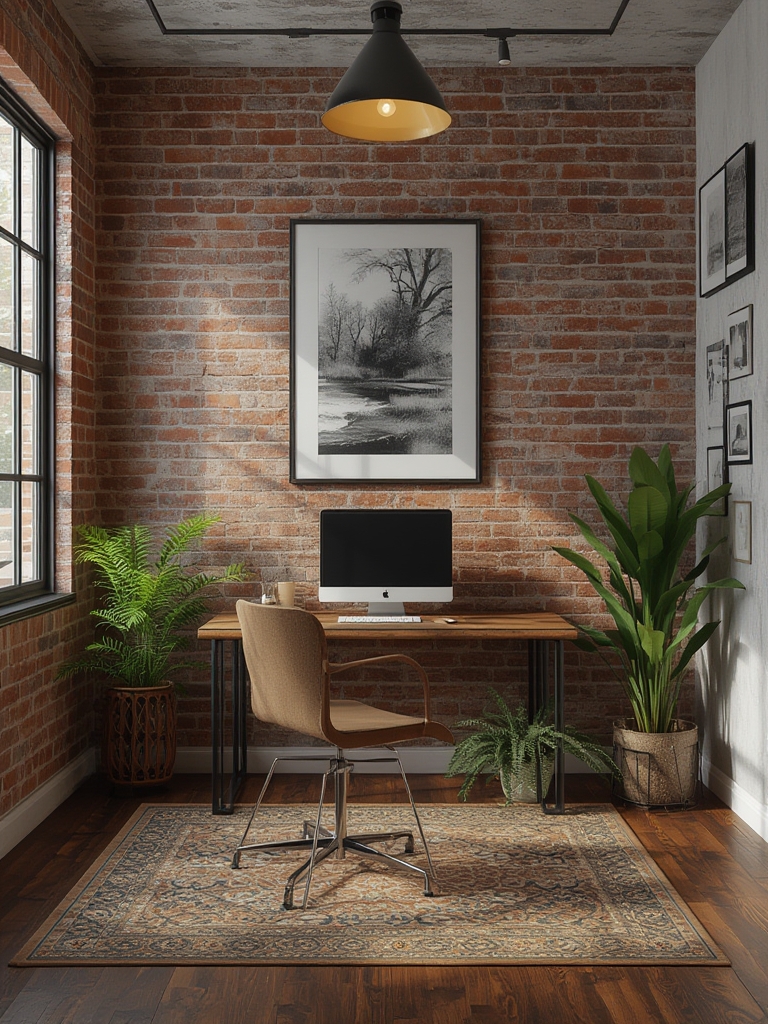
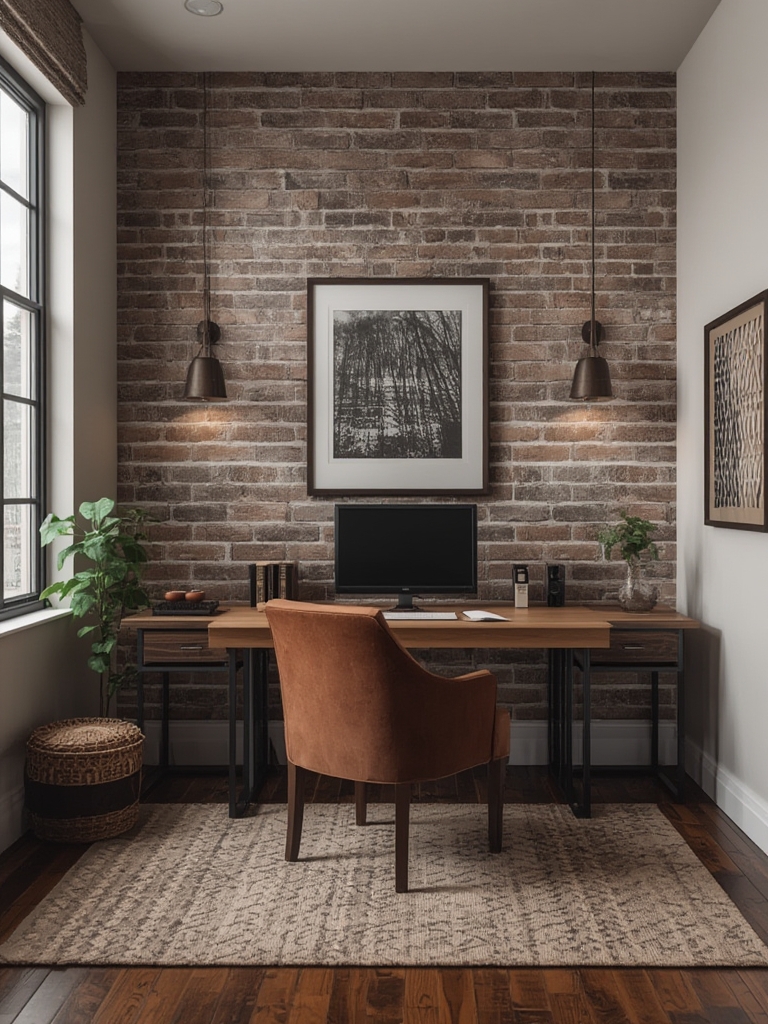
Creating an industrial‑style home office blends raw, functional aesthetics with modern comfort, turning a simple workspace into a productivity‑boosting haven. By focusing on key elements—exposed materials, purposeful lighting, smart storage, and ergonomic furniture—you can craft a professional environment that feels both edgy and inviting. Below is a data‑driven, step‑by‑step guide that walks you through the design process, complete with actionable tips and tricks to ensure each decision contributes to a cohesive, high‑performing office.
1. Define Your Space and Set Measurable Goals
Before diving into décor, quantify the dimensions of your room and establish clear objectives. Use a tape measure or laser tool to record length, width, and ceiling height. Then, set measurable goals such as “increase natural light by 30%” or “reduce clutter surface area by 40%.” Tracking these metrics will help you evaluate the success of your design choices.
Actionable Tips
- Sketch a floor plan: Draw a to‑scale layout on graph paper or a free online tool (e.g., SketchUp). Mark windows, doors, and power outlets.
- Set a budget ceiling: Allocate percentages (e.g., 40% furniture, 30% lighting, 20% décor, 10% miscellaneous) to keep spending on track.
- Establish a timeline: Break the project into weekly milestones—measurement, sourcing, installation, and final touches.
2. Choose Core Industrial Materials
Industrial design thrives on raw, unfinished textures. Data from interior‑design trend reports shows that reclaimed wood, exposed brick, concrete, and metal dominate successful industrial spaces. Select two or three primary materials to avoid visual overload.
Actionable Tips
- Reclaimed wood desk: Look for sustainably sourced pallets or reclaimed timber. Sand lightly to preserve character while ensuring a smooth work surface.
- Exposed brick accent wall: If you lack real brick, use brick veneer panels—install them on one focal wall for a cost‑effective look.
- Concrete flooring: Opt for polished concrete tiles or a concrete‑look vinyl that mimics the texture without the heavy maintenance.
3. Optimize Lighting for Function and Mood
Lighting is the single most influential factor in productivity. Studies indicate that a combination of ambient, task, and accent lighting can improve focus by up to 23%. In an industrial office, fixtures should echo the raw aesthetic while delivering adequate illumination.
Step‑by‑Step Lighting Plan
- Assess natural light: Measure window exposure using a light meter app. Aim for at least 200 lux on the desk surface.
- Install ambient lighting: Choose industrial‑style pendant lights with matte black or brushed steel finishes. Position them 30‑40 inches above the desk.
- Add task lighting: Use adjustable LED desk lamps with a color temperature of 4000‑5000 K to reduce eye strain.
- Incorporate accent lighting: Place LED strip lights behind shelving or under a floating desk to highlight textures.
Practical Tips
- Use dimmable switches to transition between focused work and relaxed reading.
- Consider smart bulbs that can be programmed for circadian lighting cycles.
- Install a motion sensor near the entry to conserve energy when the room is unoccupied.
4. Select Functional Furniture That Matches the Theme
Ergonomics should never be sacrificed for style. Data from occupational health studies shows that an ergonomic chair can reduce back pain incidents by 45%. Pair this with industrial pieces to maintain the aesthetic.
Key Furniture Choices
- Ergonomic metal‑frame chair: Look for a chair with lumbar support, adjustable height, and a breathable mesh back.
- Industrial filing cabinet: Choose a steel cabinet with riveted corners; use it for both storage and as a visual anchor.
- Floating shelves: Install reclaimed‑wood planks on steel brackets to keep the floor clear and showcase décor.
Actionable Tips
- Measure the desk height (ideally 28‑30 in) to ensure the chair can be adjusted comfortably.
- Use cable management trays beneath the desk to hide power cords, preserving the clean industrial look.
- Place a small indoor plant (e.g., snake plant) on a metal stand for a touch of greenery without breaking the theme.
5. Integrate Smart Storage Solutions
Clutter is a productivity killer. According to a 2023 workplace study, organized spaces improve task completion speed by 15%. Industrial design offers clever storage that doubles as décor.
Step‑by‑Step Storage Setup
- Assess inventory: List all items you need to store—documents, tech accessories, books.
- Choose modular units: Stackable metal cubes with open fronts keep items visible and accessible.
- Label with metal tags: Use engraved steel labels for a cohesive look and quick identification.
- Utilize vertical space: Install a tall, narrow steel bookshelf that reaches the ceiling, maximizing storage without sacrificing floor area.
Practical Tips
- Incorporate pull‑out drawers with soft‑close mechanisms to reduce noise.
- Use magnetic strips on the side of the desk for metal tools like scissors or a stapler.
- Allocate a “quick‑grab” tray for daily essentials—pens, notepads, and headphones.
6. Add Finishing Touches that Reinforce the Industrial Vibe
The final layer of design is all about subtle details that tie the room together. Data from design psychology indicates that personal touches increase satisfaction and time spent in a space.
Finishing Elements
- Wall art: Hang large‑format black‑and‑white photography in simple metal frames.
- Clock: Choose a vintage factory‑style wall clock with exposed gears.
- Rug: Place a low‑pile, neutral‑tone rug to soften concrete floors while maintaining the industrial palette.
Actionable Tips
- Keep the color palette limited to 2‑3 shades—charcoal, rust, and natural wood tones.
- Balance raw textures with a few soft elements (e.g., a plush rug) to avoid a cold environment.
- Test the acoustics: add acoustic panels disguised as metal mesh if echo becomes an issue.
7. Evaluate and Refine Using Data
After implementation, measure the impact of your design. Use simple surveys or productivity tracking apps to compare pre‑ and post‑design performance. Adjust lighting, storage, or décor based on the feedback.
Quick Evaluation Checklist
- Is natural light meeting the 200‑lux target?
- Do you feel less physical strain after a day of work?
- Is clutter reduced by the set percentage?
- Do you enjoy the visual aesthetic (rate 1‑10)?
By following these data‑driven steps, you’ll transform any room into an industrial home office that boosts focus, reflects personal style, and stands the test of time. Remember, the key is balancing raw materials with functional ergonomics—each decision should be measurable, purposeful, and aligned with your overall productivity goals.