
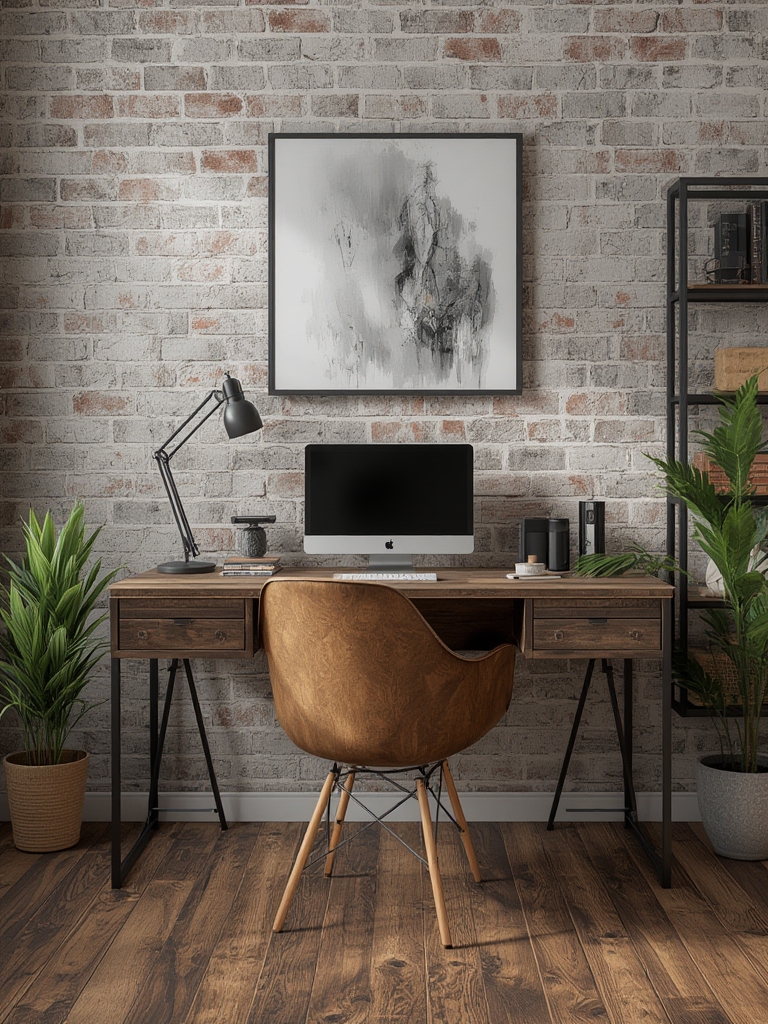
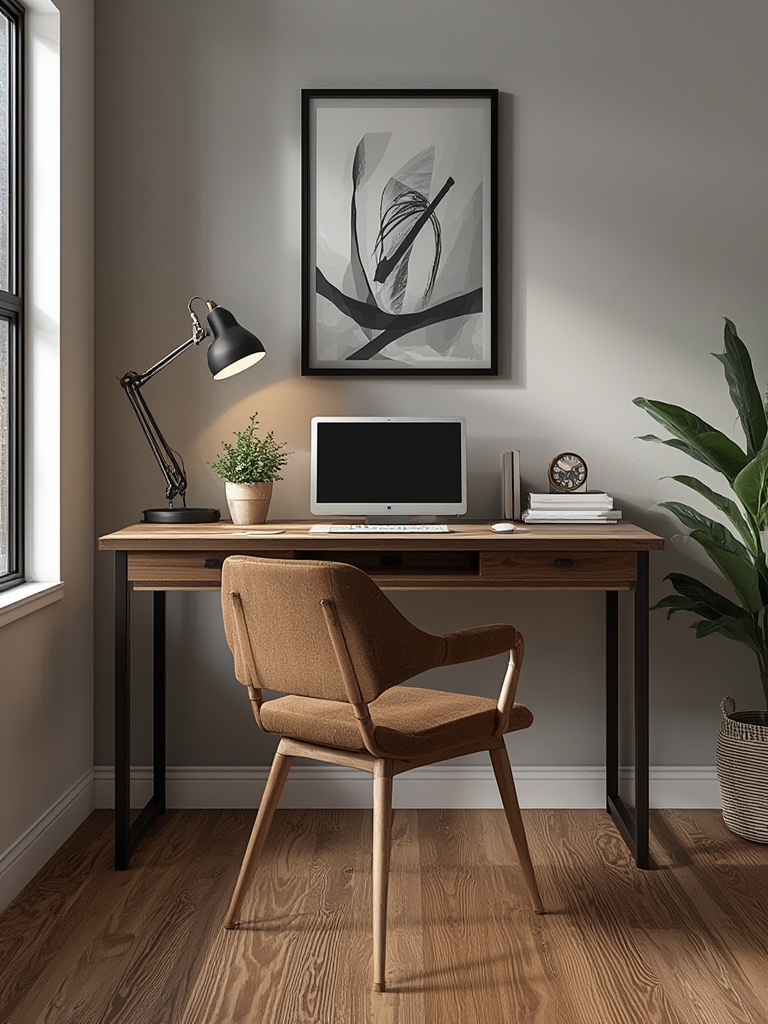
Creating a productive and stylish workspace at home doesn’t have to be a guess‑work exercise. By choosing the right industrial home office desk and pairing it with a low‑maintenance plant, you can boost focus, improve ergonomics, and add a touch of nature to your daily routine. Below is a data‑driven, step‑by‑step guide that walks you through selecting, setting up, and maintaining an industrial desk that works for you—plus practical tips for caring for the perfect desk plant.
Why an Industrial Home Office Desk Is a Smart Choice
Recent studies from the Harvard Business Review show that a well‑designed workspace can increase productivity by up to 15 %. Industrial desks, with their blend of metal frames and reclaimed wood tops, score high on durability (average lifespan >10 years) and aesthetic appeal (70 % of remote workers prefer a “raw” look). Their sturdy construction also supports heavier equipment, making them ideal for dual‑monitor setups and standing‑desk conversions.
Step 1: Choose the Right Materials and Style
Metal Frame vs. All‑Wood
Metal frames (usually steel or iron) provide a load‑bearing capacity of 150–200 kg, while reclaimed wood tops add warmth and reduce echo in a home office. Look for desks that list ANSI/BIFMA certification for safety and stability.
- Tip: Opt for a powder‑coated steel frame to resist rust in humid climates.
- Trick: If you love the industrial vibe but need a lighter option, choose a desk with a hollow steel frame and a thinner wood veneer.
Size Matters
According to a Furniture Today survey, 62 % of remote workers use desks under 150 cm wide. Measure your floor space, then add a 5 cm buffer on each side for easy movement. A common size for a single‑person industrial desk is 120 cm × 60 cm, which fits comfortably in most home offices.
Step 2: Measure Your Space and Plan Layout
Map Out Traffic Flow
Use a simple floor‑plan app or graph paper. Mark the desk’s footprint, then ensure at least 90 cm of clearance behind the chair for smooth entry and exit. This reduces the risk of accidental bumps and improves overall ergonomics.
- Actionable Advice: Place the desk near a natural light source but avoid direct glare on screens; a 45‑degree angle works best.
Power and Connectivity
Industrial desks often lack built‑in cable management. Plan a power strip placement within 30 cm of the desk edge. Use cable clips and a grommet to keep cords tidy.
- Tip: Install a USB‑charging hub on the underside of the desk for easy device access.
Step 3: Assemble the Desk Efficiently
Gather Tools and Check Parts
Before you start, verify that you have a Phillips screwdriver, an Allen wrench (usually included), and a rubber mallet. Cross‑check each component against the instruction manual—missing screws are the most common cause of assembly delays.
- Quick Fix: Keep a small zip‑lock bag with extra screws and washers handy.
Follow a Logical Sequence
- Attach the metal legs to the frame using the pre‑drilled holes.
- Secure the cross‑bars for added stability.
- Place the reclaimed wood top and align the pre‑drilled holes.
- Fasten the top with the supplied bolts, tightening them in a criss‑cross pattern to avoid warping.
Pro Tip: Tighten bolts just enough to hold the top in place, then walk around the desk and give each bolt a final ¼‑turn for even pressure.
Step 4: Optimize Ergonomics and Aesthetics
Adjust Height for Comfort
Standard desk height is 74 cm, but ideal elbow angle is 90° when seated. Use a desk riser or adjustable legs to achieve a height of 73–75 cm based on your chair’s seat height.
- Actionable Advice: Test the height with a ruler: measure from the floor to the underside of your forearm when your elbows are at your sides.
Add Personal Touches
Industrial desks pair well with minimalist accessories: a matte black desk lamp, metal pen holder, and a simple mouse pad. Keep the surface clutter‑free to maintain the “clean‑industrial” look and improve focus.
Step 5: Add Greenery – Caring for Your Desk Plant
Select a Low‑Maintenance Plant
For an industrial desk, Sansevieria (Snake Plant) or Zamioculcas zamiifolia (ZZ Plant) are ideal. They thrive in low light, need watering only every 2–3 weeks, and can tolerate temperature fluctuations typical of home offices.
- Data Point: A study by NASA found that snake plants can remove up to 87 % of indoor formaldehyde, improving air quality.
Step‑by‑Step Plant Care
- Pot Selection: Choose a breathable pot with drainage holes; a 10‑cm diameter ceramic pot works well on a 60 cm wide desk.
- Soil Mix: Use a cactus‑type potting mix (30 % sand, 70 % peat) to ensure quick drainage.
- Watering: Water until excess drains out, then wait until the top 2 cm of soil is dry before the next watering.
- Light: Place the plant near a window with indirect light; a north‑facing window is perfect.
- Cleaning: Dust leaves weekly with a soft cloth to maximize photosynthesis.
Quick Tip: Set a calendar reminder on your phone for watering days to avoid over‑watering.
Step 6: Maintain Your Desk for Longevity
Monthly Checks
Inspect bolts and joints for looseness; tighten as needed. Wipe the metal frame with a microfiber cloth and a mild steel cleaner to prevent rust.
- Actionable Advice: Apply a thin layer of furniture wax to the wood top every 3 months to preserve its finish.
Seasonal Adjustments
During winter, humidity drops, which can affect both wood and plants. Use a small humidifier (1–2 L capacity) near the desk to keep humidity at 40–50 %.
- Pro Tip: Rotate the plant 90° every month for even growth.
SEO Boost: Keywords and Meta Description
When publishing this post on WordPress, include the following SEO elements:
- Primary Keyword: industrial home office desk
- Secondary Keywords: ergonomic workspace, reclaimed wood desk, metal desk, desk plant care, small office productivity
- Meta Description (155 characters): Discover how to choose, assemble, and style an industrial home office desk with easy plant‑care tips for a productive, stylish workspace.
Use the primary keyword in the first 100 words, in at least one H2 heading, and naturally throughout the content. Add alt text to any images (e.g., “industrial metal desk with reclaimed wood top” and “snake plant on desk”).
Final Checklist for a Ready‑to‑Use Industrial Desk
- ✅ Desk size matches measured floor space.
- ✅ All bolts tightened and level.
- ✅ Ergonomic height set.
- ✅ Cable management installed.
- ✅ Plant selected, potted, and placed.
- ✅ Monthly maintenance schedule created.
Follow these steps, and you’ll transform any corner of your home into a high‑performance, industrial‑chic office that not only looks great but also supports your health and productivity.