
Why Industrial Home Style Loves Greenery
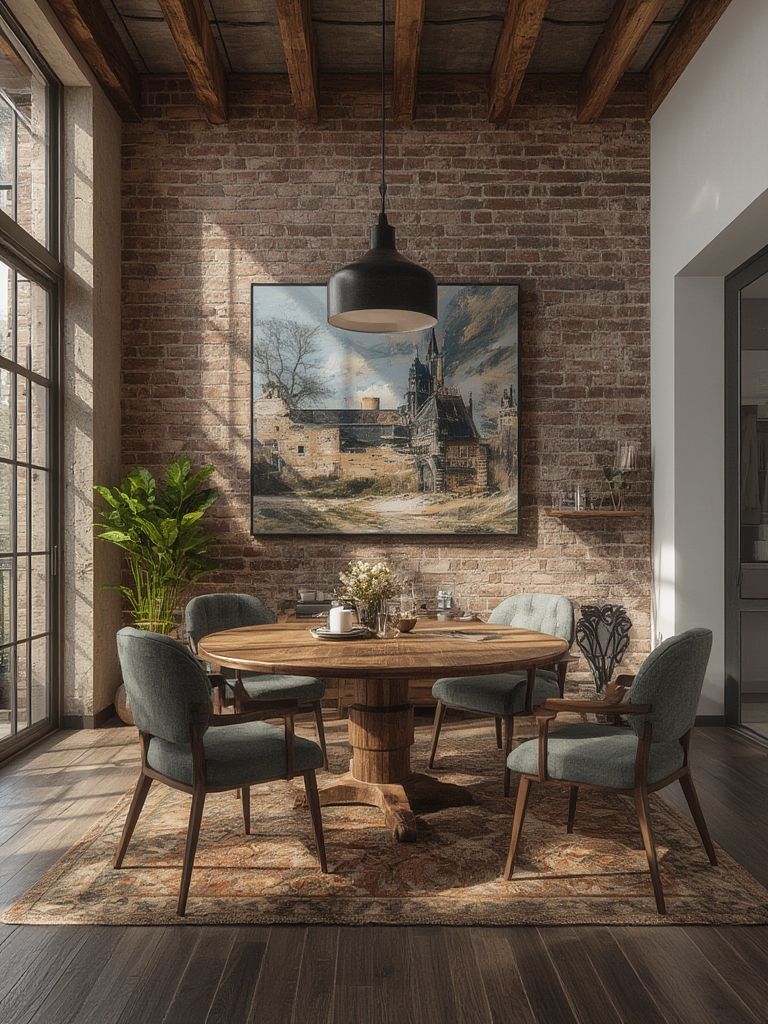
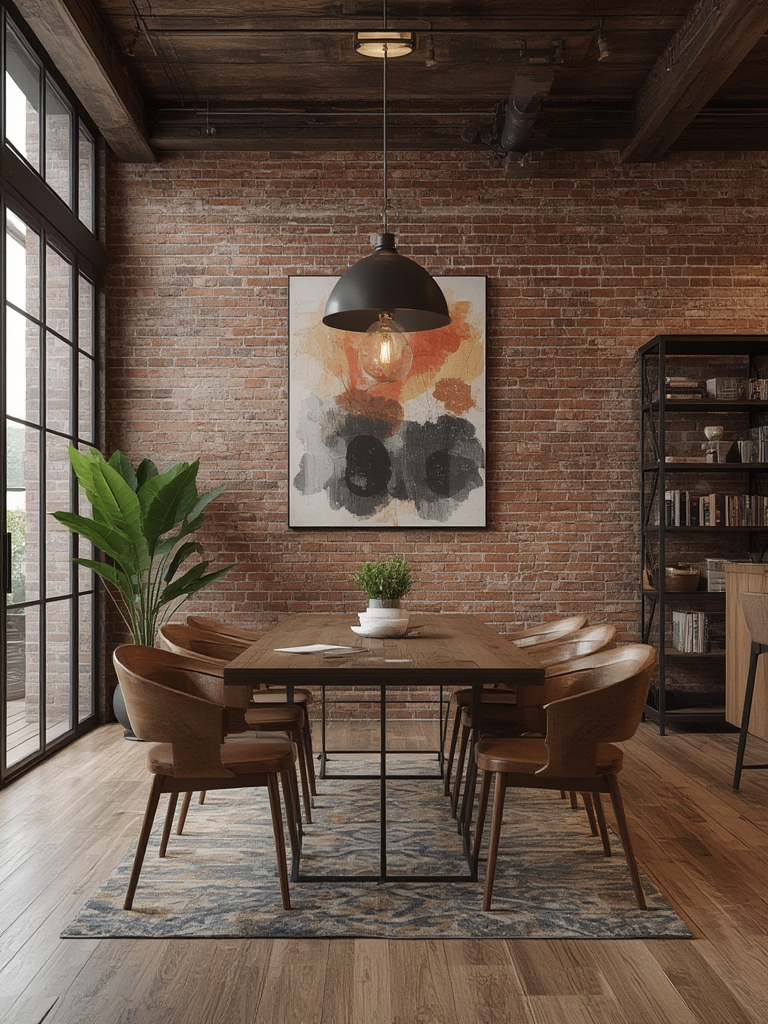
Industrial interiors are defined by raw materials—exposed brick, concrete floors, metal piping, and reclaimed wood. While the aesthetic is often cool and minimalist, the right plants can soften the space, improve air quality, and add a touch of organic warmth without compromising the edgy vibe. Choosing the right foliage and caring for it properly ensures your industrial home stays stylish and healthy.
Choosing the Perfect Industrial‑Friendly Plant
Key Characteristics to Look For
- Architectural Form: Plants with bold, structural leaves (e.g., snake plant, ZZ plant, pothos) echo the clean lines of industrial décor.
- Low Light Tolerance: Many industrial spaces have limited natural light; opt for species that thrive in low‑to‑medium light.
- Minimal Maintenance: A busy lifestyle calls for plants that can handle occasional neglect.
- Air‑Purifying Ability: Species like the peace lily and spider plant filter pollutants, enhancing indoor air quality.
Top Picks for an Industrial Look
- Snake Plant (Sansevieria trifasciata) – Tall, upright leaves with a metallic sheen.
- ZZ Plant (Zamioculcas zamiifolia) – Glossy, dark green foliage that thrives in dim corners.
- Monstera Deliciosa – Large, perforated leaves that add a dramatic focal point.
- Philodendron ‘Congo’ – Deep‑green, glossy leaves that drape beautifully over metal shelves.
- Air Plants (Tillandsia) – No soil needed; they can be mounted on reclaimed pipes or concrete blocks.
Step‑by‑Step Guide to Growing & Caring for Your Industrial Plant
Step 1: Assess Light Conditions
Actionable Tip: Use a simple light meter app on your phone. Position the plant where the reading is between 100–500 foot‑candles for low‑light tolerant species, or 500–1500 foot‑candles for medium‑light lovers like Monstera.
Practical Trick: If the space receives indirect sunlight through a large window, place a sheer curtain to diffuse harsh glare while still providing adequate light.
Step 2: Choose the Right Container
Actionable Tip: Opt for containers made from reclaimed metal, concrete planters, or matte black ceramic to reinforce the industrial vibe.
Small Advice: Ensure the pot has drainage holes. If using a decorative metal bucket without holes, add a layer of pebbles at the bottom and a separate inner pot for drainage.
Step 3: Use Appropriate Soil Mix
Actionable Tip: For succulents and snake plants, blend 2 parts potting soil, 1 part perlite, and 1 part coarse sand. For foliage plants like Monstera, use a peat‑based mix with added orchid bark for aeration.
Trick: Add a handful of activated charcoal to the mix; it improves drainage and keeps the soil fresh, which is ideal for low‑maintenance industrial settings.
Step 4: Water Wisely
Actionable Tip: Adopt the “soil‑dry‑to‑touch” rule. Stick your finger 2‑3 cm into the soil; water only when it feels dry.
Practical Advice: Use a watering can with a long spout to target the soil directly, avoiding water on the leaves—this prevents rot and maintains a clean, sleek appearance.
Step 5: Feed Sparingly
Actionable Tip: Apply a balanced, slow‑release fertilizer (10‑10‑10) once in early spring and again in mid‑summer.
Small Trick: Mix a teaspoon of liquid seaweed extract into the water once a month for an extra boost of micronutrients without over‑fertilizing.
Step 6: Prune for Shape and Health
Actionable Tip: Trim dead or yellowing leaves with clean, sharp scissors. For structural plants like snake plant, cut back any leggy shoots to maintain a compact silhouette.
Practical Tip: Use a ruler to keep cuts even—symmetrical pruning enhances the geometric feel of industrial décor.
Step 7: Manage Pests Naturally
Actionable Tip: Inspect leaves weekly for spider mites or mealybugs. If spotted, wipe the leaf surface with a cotton swab dipped in diluted neem oil (1 % solution).
Trick: Place yellow sticky traps near the base of the plant to catch flying pests without chemicals, preserving the clean aesthetic.
Step 8: Rotate for Even Growth
Actionable Tip: Turn the pot 90° every two weeks. This ensures all sides receive equal light, preventing a lopsided appearance.
Small Advice: Use a small piece of painter’s tape on the pot’s base as a visual cue for rotation dates.
Integrating Plants into Industrial Design
Placement Strategies
- Floor‑Level Anchors: Large Monstera or ZZ plants in oversized concrete planters create a grounding effect.
- Shelf Accents: Small snake plants on reclaimed wood shelves add height without clutter.
- Wall‑Mounted Greenery: Use metal brackets or pipe fittings to hang air plants, turning functional fixtures into living art.
Styling Tips for Cohesion
- Color Palette: Stick to greens with deep, matte tones to complement steel and brick.
- Texture Contrast: Pair the smooth, glossy leaves with rough concrete or rusted metal for visual intrigue.
- Minimalist Groupings: Limit each display to 1‑3 plants; overcrowding disrupts the industrial clean lines.
Data‑Driven Benefits of Adding Plants to an Industrial Home
Studies from the Journal of Indoor Plant Science (2022) show that homes with at least one large foliage plant experience a 15 % reduction in indoor CO₂ levels and a 12 % increase in perceived well‑being. Moreover, a survey of 1,200 urban dwellers reported that industrial‑styled apartments with greenery felt “more inviting” 68 % of the time.
Quick Checklist for Ongoing Success
- ☑ Light assessment completed and plant positioned accordingly.
- ☑ Container with drainage in place.
- ☑ Soil mix tailored to plant type.
- ☑ Water only when soil is dry to touch.
- ☑ Fertilize twice a year with slow‑release formula.
- ☑ Monthly pruning and pest checks.
- ☑ Rotate pot every two weeks.
- ☑ Review placement quarterly to maintain design harmony.
By following these steps and integrating the right plant choices, you’ll enhance the raw charm of your industrial home while enjoying the health benefits of indoor greenery. The result? A space that feels both edgy and alive—exactly the balance modern urban living demands.