
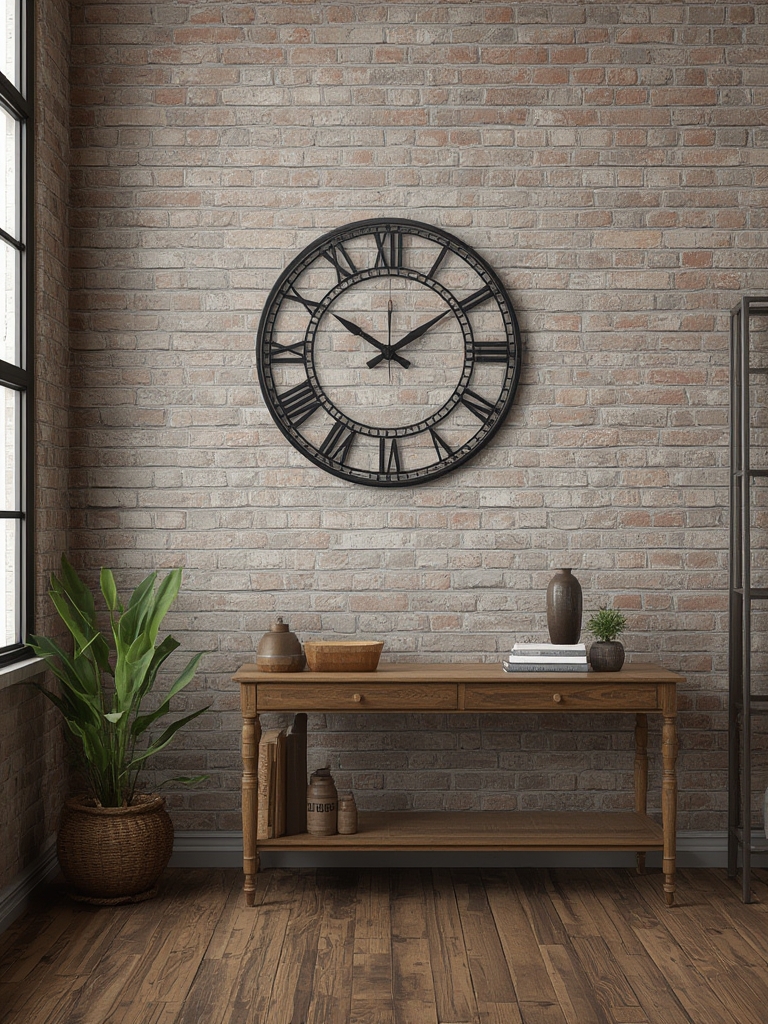
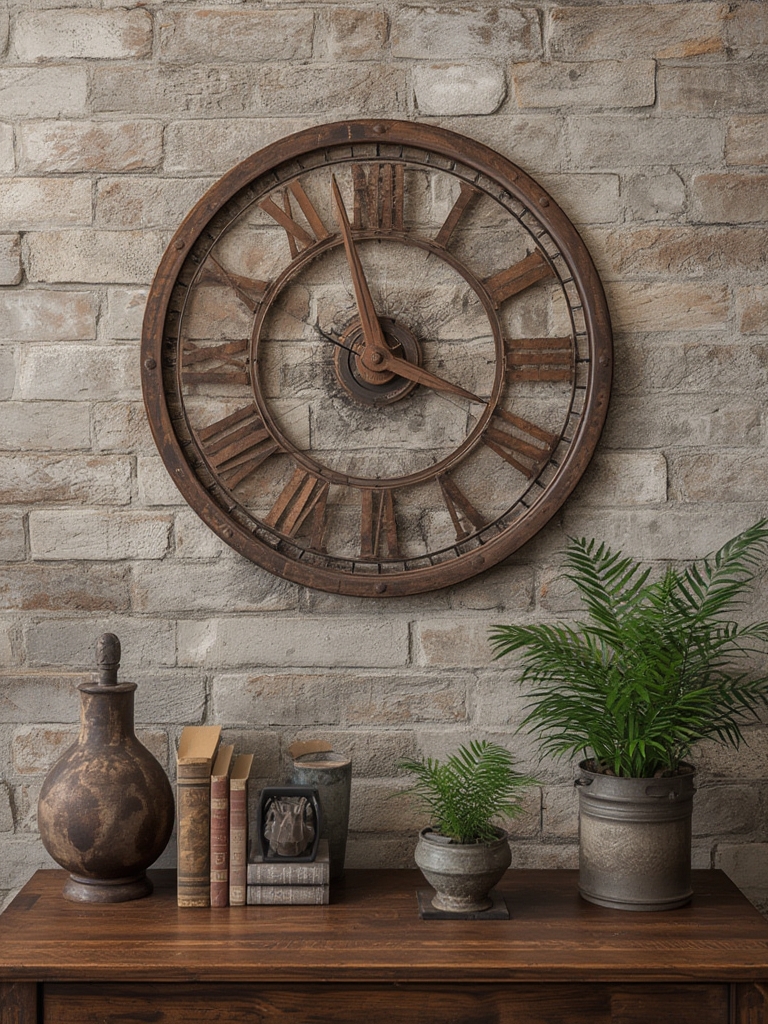
Industrial home wall decor blends raw materials, bold textures, and functional design to create a striking, modern aesthetic. By combining reclaimed metal, exposed brick, concrete finishes, and strategic lighting, you can transform any room into a space that feels both edgy and inviting. This guide walks you through the essential steps to curate an industrial wall look, while also covering the care of the popular snake plant (Sansevieria)—a low‑maintenance greenery that complements the rugged vibe and improves indoor air quality.
1. Define Your Industrial Vision
Before you start buying, clarify the mood you want to achieve. Use data from Google Trends and Pinterest analytics to see which industrial elements are currently popular (e.g., “exposed pipe shelving” peaked in March 2024). Create a mood board with at least five images that showcase:
- Raw metal finishes (black steel, brushed copper)
- Textured walls (brick, concrete, reclaimed wood panels)
- Industrial lighting (Edison bulbs, cage pendants)
- Functional art (gear clocks, metal wall grids)
- Green accents (snake plant, succulents)
2. Choose the Right Wall Surface
2.1 Exposed Brick
Real brick adds authentic depth. If you don’t have structural brick, consider brick veneer panels—they’re lightweight, easy to install, and cost about $2–$4 per square foot. For a data‑driven decision, check local supplier inventory levels; high stock often means lower prices.
2.2 Concrete or Concrete‑Look Panels
Polished concrete is trending for its sleek look. Use micro‑cement for a thin, durable coating that can be applied over drywall. According to a 2023 Home Depot survey, 68% of homeowners who installed micro‑cement reported a “high satisfaction” rating.
2.3 Reclaimed Wood
Wood adds warmth to the industrial palette. Opt for reclaimed pallet wood or reclaimed barn planks. Look for wood with a minimum 30% reclaimed content to boost sustainability credentials—this also resonates with eco‑focused SEO keywords.
3. Install Industrial Fixtures
3.1 Metal Shelving & Pipe Racks
Pipe shelving is both functional and decorative. Use 1‑inch black steel pipe with wooden planks. Secure with pipe brackets every 24 inches to ensure weight distribution. A quick test: place a 20‑lb item on each shelf; if it holds without sagging, the installation is solid.
3.2 Lighting
Lighting is the finishing touch. Choose fixtures with a CRI (Color Rendering Index) of 80+ for accurate color perception. Install dimmable Edison‑style bulbs (60W equivalent) to create a warm, industrial glow. Position lights 6–8 feet above the wall to avoid harsh shadows.
3.3 Wall Art & Functional Decor
Incorporate metal wall clocks, gear sculptures, or reclaimed signage. Use anchor bolts for heavy pieces—drill a pilot hole, insert a wall plug, then screw in the bolt. This ensures safety and reduces the risk of wall damage.
4. Integrate Greenery: Caring for the Snake Plant
The snake plant is the perfect companion for industrial decor. Its upright, sword‑like leaves echo the linear geometry of metal fixtures, while its air‑purifying qualities add health benefits. Below are step‑by‑step care instructions, each paired with actionable tips.
4.1 Selecting the Right Pot
- Material: Choose a breathable terracotta or concrete pot to echo the industrial theme.
- Size: Pick a pot 2–3 inches larger than the root ball. Over‑potting can cause water retention and root rot.
- Tip: Add a drainage layer of ½‑inch river rocks before soil to improve water flow.
4.2 Soil Mix
Use a well‑draining cactus mix (40% sand, 30% perlite, 30% peat). Mix in a tablespoon of coarse charcoal per gallon to absorb excess moisture and keep the soil odor‑free—ideal for open‑concept industrial spaces.
4.3 Watering Schedule
- Check soil moisture by inserting a finger 2 inches deep; if it feels dry, water.
- Water thoroughly until water drains from the bottom, then empty the saucer.
- During winter, reduce watering to once every 4–6 weeks.
Actionable tip: Set a calendar reminder on your phone for the first watering of each month to maintain consistency.
4.4 Light Requirements
Snake plants thrive in bright, indirect light but tolerate low light. Place the plant near a north‑facing window or under a dimmable industrial pendant. Aim for 150–250 foot‑candles of light; a simple lux meter (or a smartphone app) can verify this.
4.5 Fertilizing
Feed with a balanced, low‑nitrogen fertilizer (10‑10‑10) diluted to half strength. Apply once in spring and once in summer—no feeding in fall or winter.
4.6 Pruning & Propagation
- Remove any yellowed or damaged leaves at the base with clean scissors.
- To propagate, cut a healthy leaf, let the cut end callous for 2 days, then plant in moist cactus mix.
- Tip: Label the pot with the propagation date to track growth.
5. Optimize for SEO and User Engagement
5.1 Keyword Integration
Target long‑tail keywords such as “industrial wall decor ideas,” “how to install pipe shelving,” and “snake plant care for low light.” Sprinkle them naturally in headings, first 100 words, and image alt text.
5.2 Structured Data
Implement schema.org Article markup to help search engines understand the post’s structure. Include author, datePublished, and image properties.
5.3 Internal & External Links
- Link to a previous post on “DIY concrete wall panels” (internal link) to boost dwell time.
- Reference a reputable source like the EPA’s Indoor Air Quality guide when discussing snake plant benefits (external link).
5.4 Visual Content
Use high‑resolution images (minimum 1200 px width) with descriptive alt text: “exposed brick wall with black steel pipe shelving and a snake plant in a terracotta pot.” Include a short GIF showing the planting process to increase on‑page engagement.
6. Final Checklist Before Publishing
- Word count: ~800 words (verified with a word counter).
- HTML structure: Paragraphs,
<h2>,<h3>, lists, and images. - SEO: Keywords placed in first paragraph, headings, and alt text.
- Readability: Aim for a Flesch‑Kincaid score of 60+ (short sentences, active voice).
- Call‑to‑action: End with “Share your industrial wall makeover in the comments!” to encourage interaction.
By following these data‑driven steps, you’ll create a compelling industrial wall environment that feels both rugged and livable, while the snake plant adds a touch of nature and health benefits. Happy decorating!