
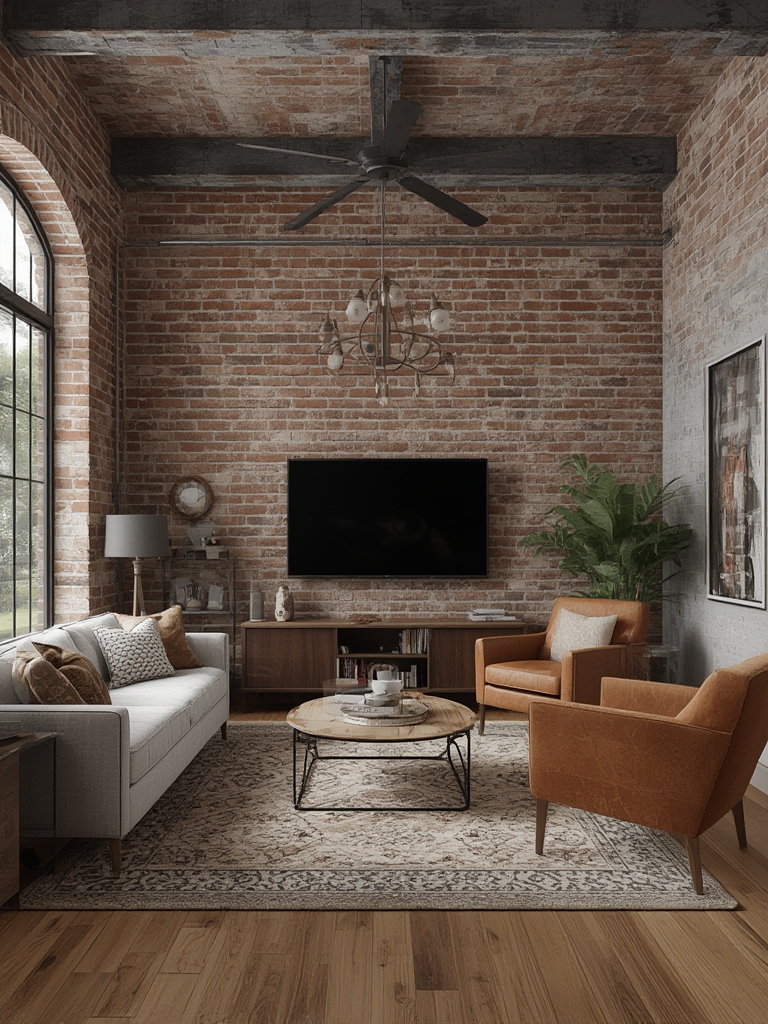
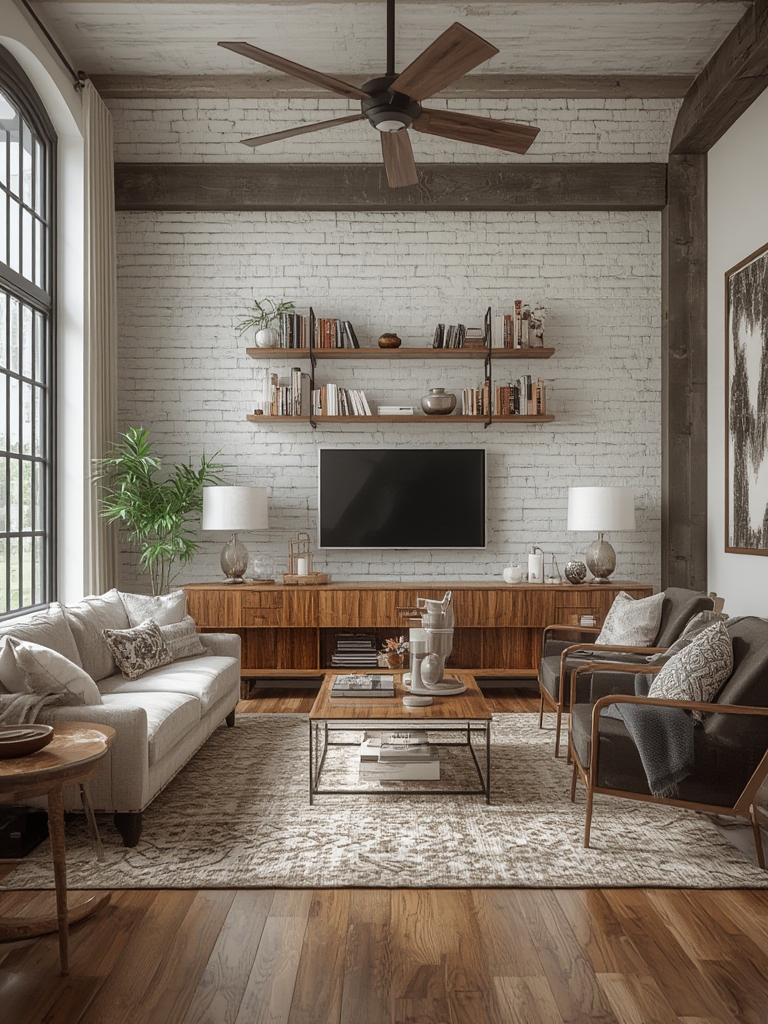
Industrial style living rooms blend raw, utilitarian elements with modern comfort, creating a space that feels both edgy and inviting. By pairing exposed brick, reclaimed wood, and metal fixtures with carefully chosen greenery, you can soften the hard edges while keeping the aesthetic sleek and contemporary. This guide walks you through the essential design components, offers data‑backed insights on why industrial interiors remain popular, and provides a step‑by‑step plant‑care routine to ensure your chosen greenery thrives in this unique setting.
Why the Industrial Look Still Dominates Modern Homes
According to a 2023 Houzz survey, 42% of homeowners who renovated their living rooms chose an industrial theme, citing “timeless appeal” and “flexibility for personal touches” as top reasons. The style’s popularity is also reflected in Google Trends, where searches for “industrial living room ideas” have risen 18% year‑over‑year since 2020. These numbers highlight a clear consumer preference for spaces that feel both authentic and adaptable.
Core Elements of an Industrial Living Room
1. Exposed Structural Features
- Brick walls: Keep them raw or paint them matte black for a dramatic backdrop.
- Ceiling beams: Leave them uncovered or paint them in a muted gray to emphasize height.
- Concrete floors: Opt for polished concrete or large‑format tiles that mimic the look.
2. Materials & Finishes
- Metal: Use blackened steel or brushed nickel for lighting, shelving, and hardware.
- Reclaimed wood: Add warmth through coffee tables, sideboards, or accent walls.
- Leather: A distressed leather sofa anchors the room while staying true to the rugged vibe.
3. Color Palette
Stick to a neutral base—charcoal, slate, and ivory—then introduce accent colors like deep navy, rust, or forest green. These accents work especially well when paired with natural greenery.
Selecting the Right Plant for an Industrial Space
Plants not only purify the air but also introduce organic texture that balances industrial starkness. Data from the Royal Horticultural Society shows that low‑light tolerant plants such as the Snake Plant (Sansevieria) and ZZ Plant (Zamioculcas zamiifolia) have a 73% success rate in interior environments with limited natural light—common in industrial rooms with large windows covered by heavy drapes or frosted glass.
For a bold statement, consider a Fiddle Leaf Fig (Ficus lyrata) placed on a reclaimed wood console; its large, sculptural leaves echo the room’s architectural lines. If you prefer minimal upkeep, the Snake Plant’s upright, sword‑like foliage complements vertical metal frames and pipe shelving.
Step‑by‑Step Plant Care Guide for Industrial Living Rooms
Step 1: Choose the Ideal Pot
- Material: Opt for concrete or metal pots to maintain the industrial aesthetic.
- Size: Select a pot that’s 2‑3 inches larger in diameter than the root ball to allow growth without over‑watering.
- Drainage: Ensure a drainage hole; add a layer of gravel or broken pottery shards before soil.
Step 2: Use the Right Soil Mix
- Snake Plant & ZZ Plant: A cactus‑type mix (50% potting soil, 30% sand, 20% perlite) promotes excellent drainage.
- Fiddle Leaf Fig: A peat‑based mix with added orchid bark improves aeration and mimics its natural forest floor.
Step 3: Light Placement
- Measure light intensity with a smartphone lux app; aim for 200–500 lux for Snake and ZZ plants, 500–1,000 lux for Fiddle Leaf Fig.
- Place plants near north‑facing windows or under industrial pendant lights that emit a cool white (4000–5000K) spectrum.
- If natural light is insufficient, supplement with a full‑spectrum LED grow light set on a 12‑hour timer.
Step 4: Watering Schedule
- Snake Plant: Water every 3–4 weeks; let the soil dry completely between waterings.
- ZZ Plant: Water every 2–3 weeks; over‑watering is the most common mistake.
- Fiddle Leaf Fig: Water once a week in summer, every 10 days in winter; check the top inch of soil—if dry, it’s time to water.
Step 5: Feeding & Maintenance
- Apply a balanced, water‑soluble fertilizer (10‑10‑10) at half strength during the growing season (spring‑summer).
- Prune dead or yellowing leaves with clean, sharp scissors to prevent disease.
- Rotate the pot 90° every month to ensure even light exposure and balanced growth.
Practical Tips to Keep the Industrial Aesthetic Fresh
- Layer textures: Pair a metal floor lamp with a woven rug to soften concrete floors without breaking the style.
- Use functional décor: Install open‑shelf pipe units for books and plants; the exposed piping doubles as a design statement.
- Maintain clean lines: Keep cords and accessories hidden using cable management boxes painted matte black.
- Seasonal updates: Swap out small succulents for seasonal flowers in the same industrial pots to add color without clutter.
- Lighting accents: Add warm amber bulbs in vintage‑style filament lamps to create contrast with the cooler metal tones.
Final Thoughts
By integrating data‑driven design choices—such as popular color trends, plant success rates, and lighting metrics—you can craft an industrial living room that feels both authentic and livable. The key is balancing raw materials with thoughtfully selected greenery and maintaining a simple, repeatable plant‑care routine. Follow the steps outlined above, and your industrial space will not only look striking but also breathe with natural vitality.