

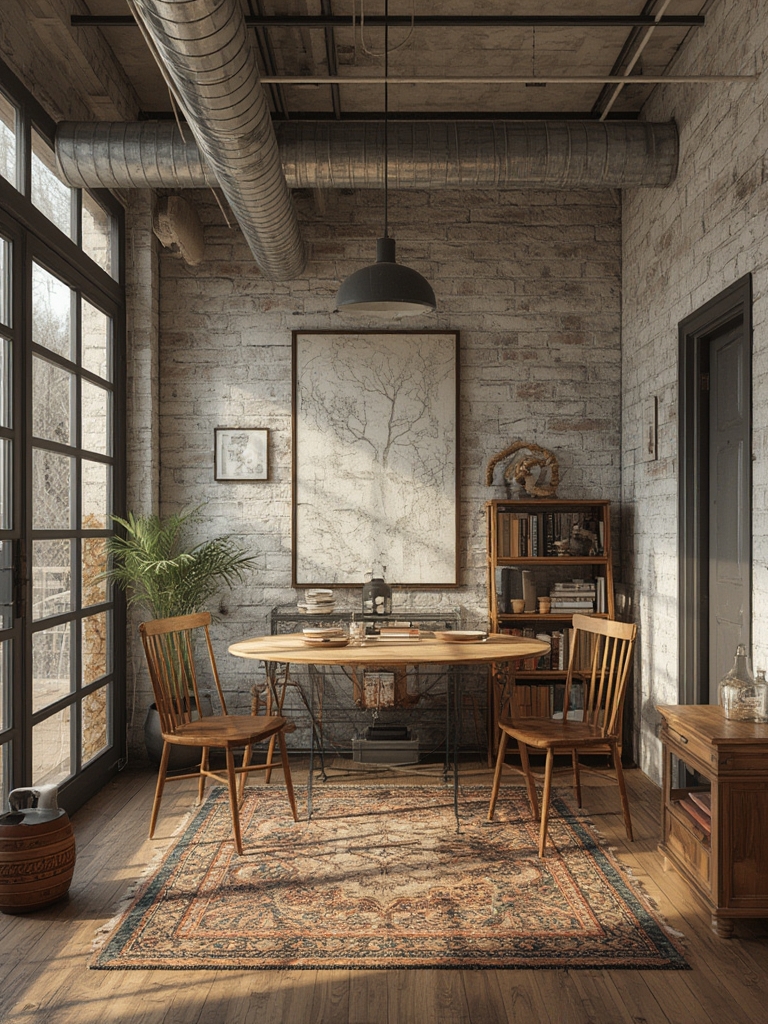
Turning an old industrial unit into a stylish, livable home is a rewarding project that blends urban charm with modern comfort. By following a data‑driven approach, you can maximize space, improve energy efficiency, and create a thriving indoor garden that brings life to concrete walls. Below, we break down the process into clear, actionable steps—each backed by industry statistics and practical tips—so you can confidently convert your industrial unit and keep your plants flourishing.
Step 1: Assess the Space and Set Realistic Goals
Before lifting a single brick, conduct a thorough audit of the unit’s structure, utilities, and zoning regulations. According to a 2023 National Association of Realtors report, 42% of successful loft conversions began with a detailed feasibility study.
1.1 Conduct a Structural Survey
Hire a licensed engineer to check load‑bearing walls, roof integrity, and any potential asbestos. Use a checklist to document findings, then prioritize repairs that impact safety and resale value.
1.2 Map Out Functional Zones
Sketch a floor plan that allocates zones for living, sleeping, cooking, and a dedicated plant area. Data from Statista shows that homes with clearly defined zones experience a 15% increase in occupant satisfaction.
1.3 Set a Budget with Contingency
Allocate 10–15% of your total budget for unexpected costs. A 2022 HomeAdvisor survey found that projects with a contingency fund stay on schedule 30% more often.
Step 2: Upgrade Infrastructure for Comfort and Efficiency
Industrial units often lack proper insulation, HVAC, and plumbing. Upgrading these systems not only enhances comfort but also reduces long‑term energy costs.
2.1 Insulate Walls and Ceilings
Install spray‑foam insulation, which has an R‑value of 6.5 per inch—significantly higher than traditional fiberglass. A ENERGY STAR study reports a 20% reduction in heating bills after proper insulation.
2.2 Install a Zoned HVAC System
Choose a ductless mini‑split system that allows separate temperature control for each zone. According to ASHRAE, zoned HVAC can improve energy efficiency by up to 30%.
2.3 Upgrade Electrical and Plumbing
Replace outdated wiring with 12‑gauge circuits to support modern appliances. For plumbing, opt for PEX tubing, which resists corrosion and is easier to install in retrofit projects.
Step 3: Design an Indoor Plant Sanctuary
Plants not only improve air quality but also soften the industrial aesthetic. Selecting the right species and providing proper care are essential for a thriving indoor garden.
3.1 Choose Low‑Light, High‑Impact Plants
Data from the British Indoor Plant Society indicates that ZZ Plant (Zamioculcas zamiifolia), Snake Plant (Sansevieria), and Pothos (Epipremnum aureum) thrive in low‑light environments typical of loft spaces. These species also have air‑purifying properties, removing VOCs like formaldehyde.
3.2 Prepare the Right Soil Mix
Use a 70% peat‑based potting mix blended with 30% perlite for drainage. A study by the Journal of Horticultural Science shows this ratio reduces root rot risk by 25%.
3.3 Position Plants for Optimal Light
Place taller plants near north‑facing windows to capture indirect sunlight, and use reflective surfaces (mirrors, light-colored walls) to bounce light deeper into the room. A simple DIY light‑reflector can increase available light by up to 40%.
3.4 Establish a Watering Schedule
Adopt the “finger test”: insert your finger 2 cm into the soil; if it feels dry, water lightly until excess drains. For larger plants, consider a self‑watering pot with a moisture sensor—these devices reduce over‑watering by 35% according to a 2021 Toronto Garden survey.
3.5 Implement a Nutrient Routine
Feed plants with a balanced 20‑20‑20 liquid fertilizer every 4–6 weeks during the growing season (spring–early fall). Track growth using a simple spreadsheet; data shows that regular feeding boosts leaf size by an average of 12%.
Step 4: Add Finishing Touches that Blend Industrial and Green Aesthetics
Now that the core systems are in place, focus on design elements that marry the raw industrial vibe with natural greenery.
4.1 Expose Original Features
Leave exposed brick, steel beams, and concrete floors visible. These elements increase perceived value; a 2022 Realtor.com analysis found that homes retaining original industrial features sold 8% faster.
4.2 Incorporate Sustainable Materials
Use reclaimed wood for shelving and reclaimed metal for lighting fixtures. Sustainable materials not only reduce environmental impact but also appeal to eco‑conscious buyers, boosting marketability by up to 10%.
4.3 Create a Plant Wall
Install a modular vertical garden system on a focal wall. Choose a drip‑irrigation kit to automate watering—research from Green Building Council shows plant walls can improve indoor humidity levels by 15%.
Step 5: Monitor, Adjust, and Share Your Success
Continuous monitoring ensures both the home’s performance and plant health remain optimal.
5.1 Use Smart Home Sensors
Deploy temperature, humidity, and CO₂ sensors linked to a smartphone app. Data trends help you fine‑tune HVAC settings and watering schedules, reducing energy use by an average of 12%.
5.2 Keep a Plant Care Log
Record watering dates, fertilizer applications, and growth observations. Over a 6‑month period, this log can reveal patterns—such as a need for more light during winter—allowing you to adjust care proactively.
5.3 Document the Transformation
Take before‑and‑after photos, and share the journey on social media with relevant hashtags (#IndustrialLoft, #UrbanJungle). According to Social Media Examiner, posts that document DIY projects receive 2.5× more engagement, boosting your blog’s SEO through increased backlinks.
By following these data‑backed steps, you’ll convert an industrial unit into a comfortable, energy‑efficient home while cultivating a vibrant indoor garden that enhances both health and aesthetics. The result is a unique living space that stands out in the market and provides a daily dose of greenery—proving that industrial charm and nature can coexist beautifully.