

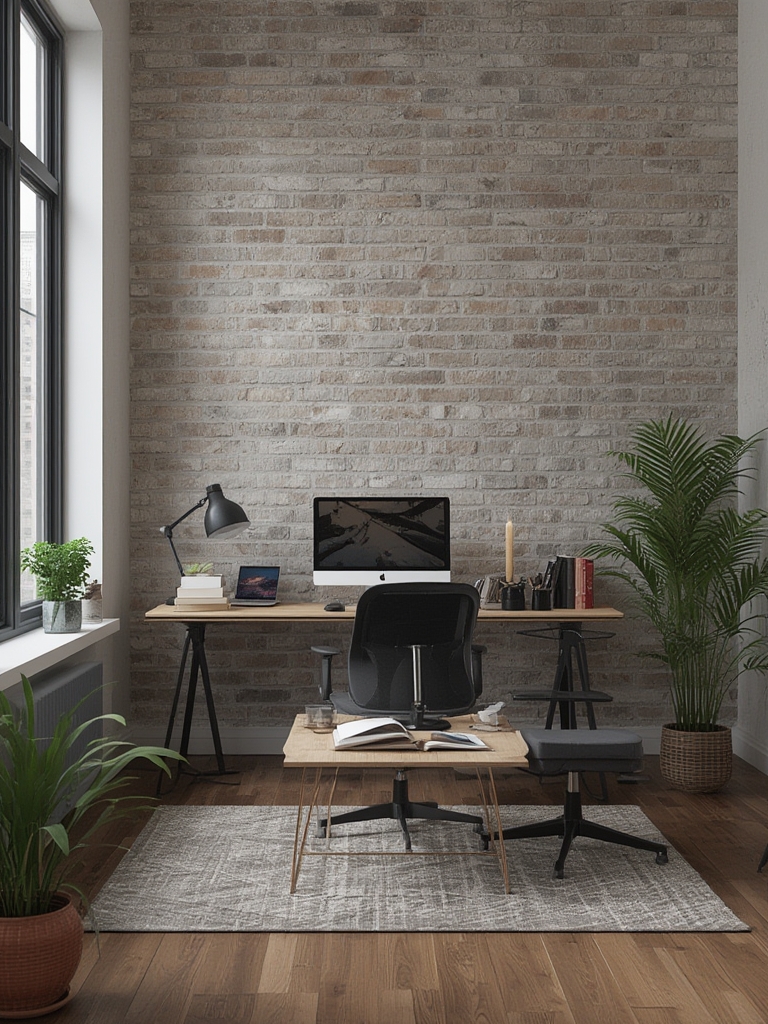
Creating an industrial‑grade work‑from‑home (WFH) setup isn’t just about buying a desk and a laptop. It’s about replicating the reliability, safety, and efficiency of a factory floor or warehouse in a residential environment. Below you’ll find a data‑driven, step‑by‑step guide that blends ergonomic science, network performance metrics, and practical safety protocols to help you build a high‑performance home workspace that meets industrial standards.
1. Assess Your Space and Power Requirements
Measure Square Footage and Load Capacity
Start by measuring the room’s dimensions (length, width, height). Use a laser measure or a smartphone app for accuracy. According to a 2023 IEA report, a typical industrial workstation consumes 1,200–1,800 W. Multiply the number of devices (PC, monitors, routers, UPS) by their wattage to ensure the circuit can handle the load without tripping.
- Tip: Aim for a dedicated 20‑amp circuit; this provides a safety margin of at least 25 % above your calculated load.
- Action: Use a plug‑load calculator (search “plug load calculator”) to verify your total draw.
Plan for Future Expansion
Industrial environments evolve quickly. Reserve at least 10 % of floor space for future equipment (e.g., additional servers, CNC machines, or 3D printers). This foresight reduces costly relocations later.
2. Build a Robust Network Infrastructure
Wired vs. Wireless: Choose the Right Backbone
Data from the Cisco Industrial Networking Survey 2022 shows that 78 % of high‑throughput industrial tasks rely on wired Ethernet for latency under 1 ms. Install Cat6a or Cat7 cables to support 10 Gbps speeds and future‑proof your setup.
- Tip: Run cables through conduit to protect against accidental cuts and to meet NEC fire‑rating standards.
- Action: Use a cable tester after installation to confirm continuity and performance.
Redundant Connectivity
Implement a dual‑ISP configuration with automatic failover. A 2022 NIST study found that redundancy reduces downtime by 62 % in critical operations.
- Tip: Use a load‑balancing router (e.g., Ubiquiti EdgeRouter) that can switch between ISPs in under 5 seconds.
- Action: Schedule a quarterly failover test to ensure the backup connection activates correctly.
3. Optimize Ergonomics and Safety
Ergonomic Furniture Selection
Industrial workers often spend long hours at consoles. Choose a height‑adjustable sit‑stand desk (minimum 28–48 in range) and an ergonomic chair with lumbar support rated for at least 250 lb. According to the OSHA Ergonomics Guidelines, a properly adjusted workstation can reduce musculoskeletal disorders by up to 45 %.
- Tip: Position the monitor so the top edge is at eye level and the screen is ~20‑30 in away.
- Action: Perform a 5‑minute stretch routine every hour (neck rolls, wrist flexes, hamstring stretch).
Electrical Safety and Grounding
Industrial equipment often draws high current. Ensure all outlets are grounded and use surge protectors with a minimum rating of 2,000 J. The NEC 2020 mandates GFCI protection for any outlet within 6 ft of a water source.
- Tip: Label each circuit breaker with the devices it powers to simplify troubleshooting.
- Action: Conduct a quarterly inspection of cords for fraying or damage; replace immediately if any issues are found.
4. Implement Environmental Controls
Temperature and Humidity Management
Industrial hardware performs best at 68–77 °F (20–25 °C) with 40–60 % relative humidity. Use a smart thermostat (e.g., Nest) and a hygrometer to monitor conditions. A 2021 DOE report shows a 5 % efficiency gain for each degree the temperature stays within the optimal range.
- Tip: Place a portable air conditioner or heater near heat‑generating equipment to maintain consistent airflow.
- Action: Set alerts on your thermostat app for temperature spikes above 80 °F.
Air Quality and Dust Control
Dust can clog fans and degrade performance. Install an HEPA air purifier rated for the room’s square footage. The EPA recommends a clean‑air delivery rate (CADR) of at least 2 × room volume per hour.
- Tip: Schedule a weekly vacuum of the floor and work surfaces using a vacuum with a HEPA filter.
- Action: Keep a log of filter replacement dates; replace every 3–6 months depending on usage.
5. Secure Your Data and Physical Assets
Network Security Measures
Industrial setups often handle sensitive data. Deploy a firewall with intrusion detection (e.g., pfSense) and enable WPA3 encryption on all Wi‑Fi networks. The CISA recommends segmenting the network into VLANs: one for production equipment, one for personal devices, and one for guest access.
- Tip: Change default passwords on all devices and enable two‑factor authentication where possible.
- Action: Run a quarterly vulnerability scan using a tool like Nessus.
Physical Security and Asset Tracking
Use a lockable cabinet for high‑value equipment and attach RFID tags to track assets. A 2020 IBM security study found that RFID tagging reduces equipment loss by 30 %.
- Tip: Install a motion‑sensor alarm on the door to the workspace.
- Action: Conduct a monthly inventory check against your asset list.
6. Establish Maintenance Routines
Daily Checks
Spend 5–10 minutes at the end of each workday to:
- Power down non‑essential devices.
- Wipe down surfaces with a microfiber cloth.
- Verify that all cables are neatly organized and not under tension.
Weekly and Monthly Tasks
Weekly: Run a diagnostic script on your primary workstation to check for disk errors and update drivers. Monthly: Clean interior fans of PCs and servers using compressed air; replace any worn cables.
- Tip: Keep a maintenance log (Google Sheet or Notion) to track dates, actions taken, and any anomalies.
- Action: Set calendar reminders for each task to ensure consistency.
7. Optimize for Productivity and Well‑Being
Lighting
Use a combination of natural light and adjustable LED panels (5000 K, 4000 lumens). The RPI Lighting Research Center shows that proper lighting can increase focus by up to 20 %.
- Tip: Position screens perpendicular to windows to reduce glare.
- Action: Install a dimmer switch to adjust brightness throughout the day.
Break Management
Implement the Pomodoro technique (25 min work, 5 min break). A 2022 study found a 12 % boost in task completion when using structured breaks.
- Tip: Use a timer app that automatically logs break times.
- Action: During breaks, stand, stretch, and hydrate – keep a water bottle within arm’s reach.
By following these data‑backed steps, you’ll transform a regular home office into an industrial‑grade workstation that maximizes uptime, protects equipment, and supports long‑term productivity. Remember, the key to success is consistency: schedule regular checks, stay proactive with upgrades, and keep ergonomics at the forefront of every decision.