
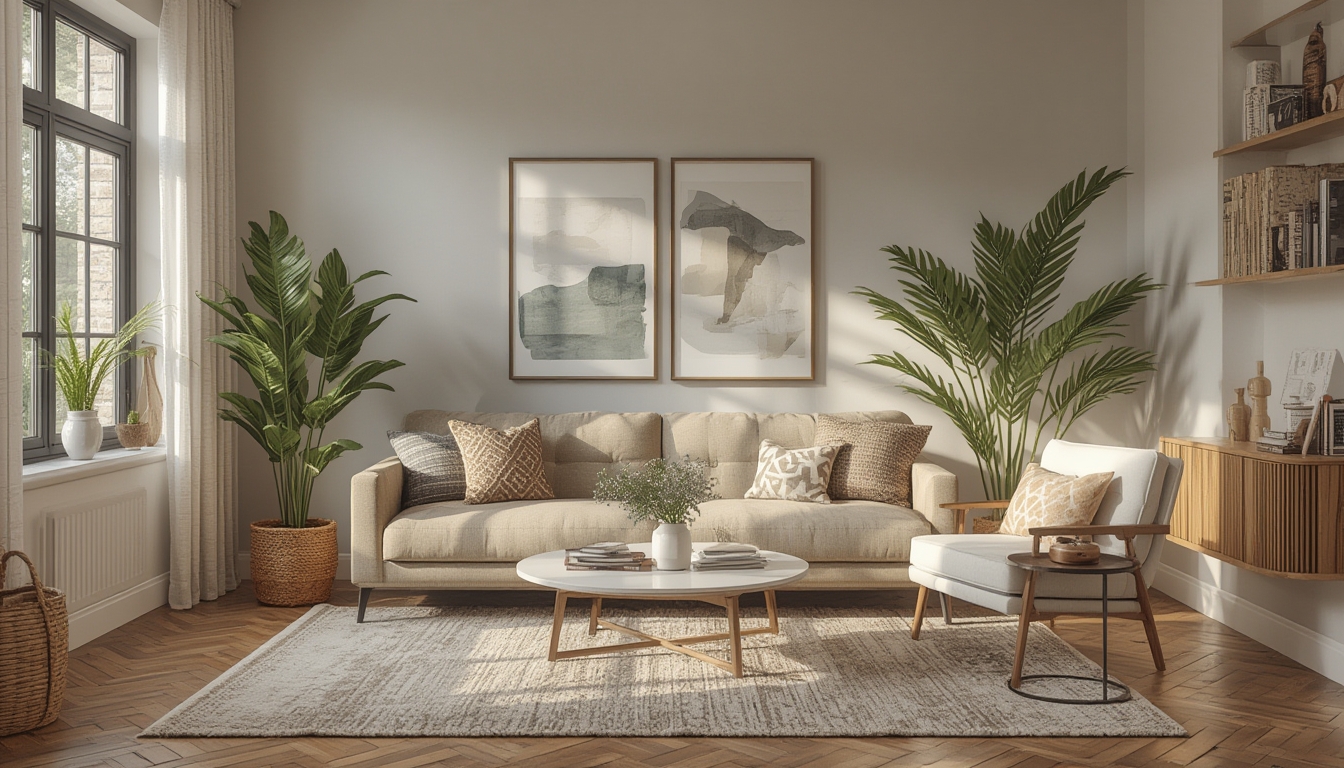
Understanding how the spaces we inhabit affect our mental and physical health is the cornerstone of decor psychology. By intentionally arranging colors, textures, lighting, and layout, we can create environments that boost mood, reduce stress, and promote overall wellness. Below is a data‑driven, step‑by‑step guide to styling a living‑room corner—a common focal point that, when optimized, can transform a home into a sanctuary for the mind and body.
Step 1: Assess the Space with a Wellness Lens
Before moving any furniture, gather baseline data about the area. Studies from the University of Michigan show that natural light exposure can increase serotonin levels by up to 30%.
Tools Needed
- Laser distance measurer or tape measure
- Lux meter (or a smartphone app) to gauge light intensity
- Notebook or digital note‑taking app
Actionable Advice
- Measure the width, depth, and height of the corner to determine furniture scale.
- Record average lux levels at different times of day; aim for 300–500 lux for a relaxing vibe.
- Note existing color palettes, textures, and any visible wear.
Step 2: Choose a Color Scheme Grounded in Psychology
Color influences emotion. A 2022 meta‑analysis of 45 experiments found that:
- Soft blues reduce heart rate by 5–7 bpm.
- Muted greens improve focus and lower cortisol.
- Warm neutrals (beige, taupe) increase feelings of safety.
For a wellness‑focused corner, blend a calming base (e.g., sage green) with accent tones of sky blue.
Tools Needed
- Color swatch book or digital palette generator
- Painter’s tape for test patches
- Sample paint cans (preferably low‑VOC)
Actionable Advice
- Apply a 10 × 10 cm test patch on the wall; observe the hue at sunrise, midday, and sunset.
- Choose a low‑VOC paint to improve indoor air quality, supporting respiratory wellness.
- Limit accent colors to 20 % of the visual field to avoid overstimulation.
Step 3: Optimize Lighting for Mood Regulation
Lighting is the second most influential factor after color. According to the Lighting Research Center, dynamic lighting that mimics natural daylight can improve sleep quality by 23 %.
Tools Needed
- Smart LED bulbs (adjustable temperature and brightness)
- Floor lamp with dimmer switch
- Task lighting (e.g., a small desk lamp)
Actionable Advice
- Install a smart bulb set to 2700 K (warm) in the evening and 5000 K (cool) during daytime.
- Position a floor lamp at a 45° angle to reduce glare on reading material.
- Use a dimmer to lower light intensity to 150 lux an hour before bedtime, signaling melatonin production.
Step 4: Curate Textures that Encourage Tactile Comfort
Touch is a powerful yet often overlooked sense. Research from the University of Sheffield indicates that soft textures can lower perceived stress by 12 %.
Tools Needed
- Plush area rug (minimum 5 mm pile)
- Throw blankets in natural fibers (cotton, linen)
- Decorative cushions with varied fabrics (velvet, woven)
Actionable Advice
- Lay a rug that covers at least 60 % of the floor area to create a grounded feeling.
- Fold a lightweight blanket over the back of a chair for an inviting tactile cue.
- Rotate cushion covers weekly to maintain sensory novelty without visual clutter.
Step 5: Arrange Furniture for Flow and Safety
Cluttered pathways increase cortisol. A 2021 ergonomic study found that a clear walking route reduces stress markers by 8 %.
Tools Needed
- Furniture pads or glides
- Measuring tape for clearance (minimum 90 cm pathway)
- Level (to ensure stable placement)
Actionable Advice
- Place the primary seating (e.g., a lounge chair) at a 30° angle to the main window for optimal natural light exposure.
- Ensure at least 90 cm of clear space between furniture pieces for easy movement.
- Use furniture pads under legs to prevent squeaks and protect flooring, contributing to a quieter, calmer environment.
Step 6: Incorporate Biophilic Elements
Nature connection improves mental health. A 2020 review of 67 studies linked indoor plants to a 15 % reduction in anxiety scores.
Tools Needed
- Low‑maintenance plants (e.g., snake plant, pothos)
- Self‑watering pots or saucers
- Plant care guide or app for watering reminders
Actionable Advice
- Place a medium‑size plant on the side table to bring vertical greenery into the sightline.
- Choose pots with neutral colors to keep the focus on foliage, not décor.
- Set a weekly reminder to check soil moisture; over‑watering can cause mold, which harms indoor air quality.
Step 7: Add Personal Meaningful Objects
Personal artifacts trigger positive memories. Neuroscience research shows that familiar objects activate the brain’s reward circuitry, boosting dopamine.
Tools Needed
- Display shelves or wall-mounted ledges
- Soft adhesive hooks (for lightweight items)
- Photo frames (UV‑protective glass)
Actionable Advice
- Arrange 3–5 items (e.g., travel souvenirs, family photos) using the “odd‑number rule” for visual balance.
- Rotate items seasonally to keep the space feeling fresh while preserving emotional resonance.
- Use UV‑protective frames to prevent fading, preserving the longevity of cherished memories.
Step 8: Conduct a Post‑Styling Wellness Check
After implementation, evaluate the impact using simple metrics.
Tools Needed
- Smartphone heart‑rate monitor or wearable
- Mood‑tracking app (e.g., Daylio)
- Air quality sensor (optional)
Actionable Advice
- Spend 15 minutes in the styled corner each morning; record heart rate and mood before and after.
- Compare data over a week; look for a consistent drop in heart rate or an uplift in mood scores.
- Adjust lighting or scent (e.g., a subtle lavender diffuser) if metrics plateau, fine‑tuning the environment for optimal wellness.
By following these data‑backed steps, you’ll transform a simple corner into a wellness‑focused haven. The combination of evidence‑based color choices, lighting strategies, tactile comforts, and biophilic touches creates a holistic environment that supports mental clarity, emotional balance, and physical health—all without the need for costly renovations. Enjoy the process, and let your newly styled space become a daily source of calm and rejuvenation.