
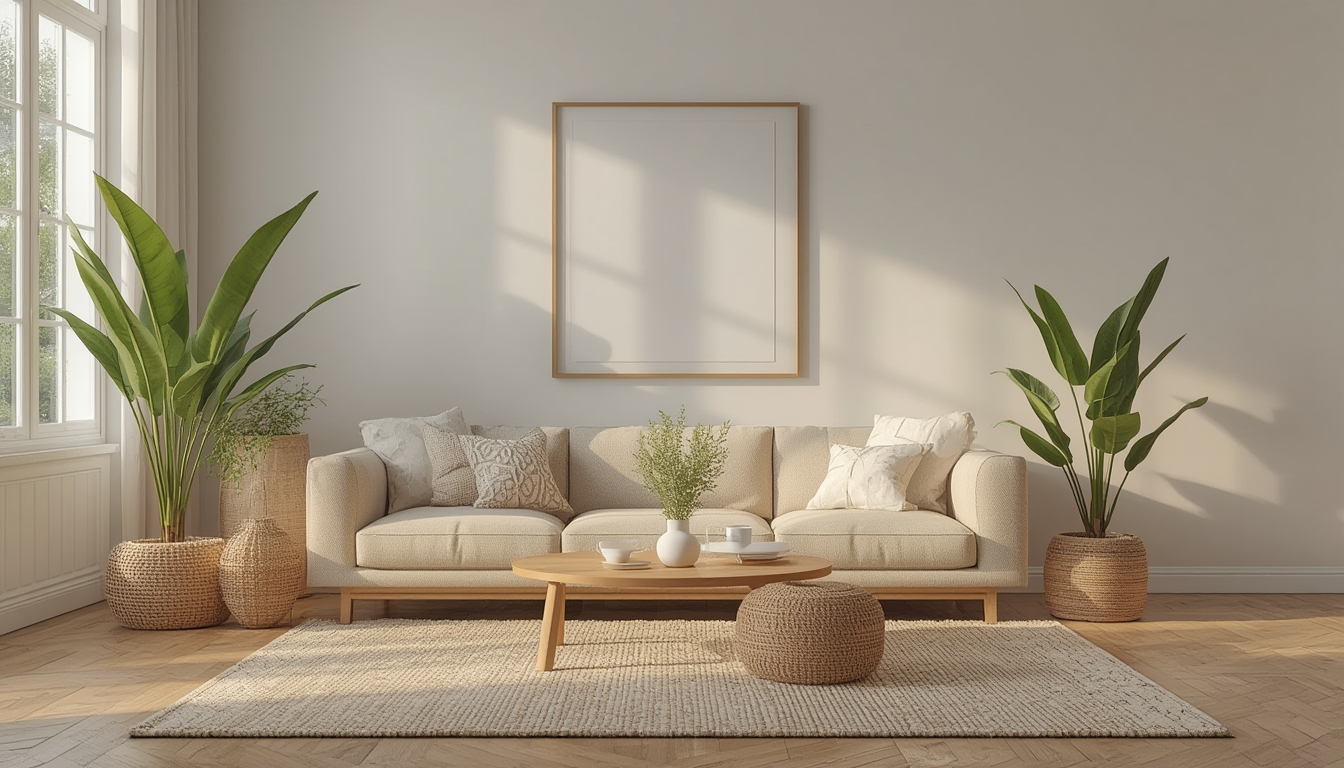
When we look at a room, we often judge it in seconds, but the subconscious impact of décor on our mood, stress levels, and overall well‑being is far deeper. Recent studies show that color can influence heart rate by up to 10 % and that natural materials can lower cortisol by 15 % (University of Michigan, 2022). By applying decor psychology principles, you can transform any space into a sanctuary that supports mental clarity, emotional balance, and physical health. Below is a data‑driven, step‑by‑step guide to styling a room for wellness, complete with the tools you’ll need and actionable tips for each phase.
Why Decor Psychology Matters for Wellness
Decor psychology examines how visual and tactile elements affect the brain’s limbic system, which governs emotions and stress responses. Key findings include:
- Color: Blue and green hues are linked to reduced anxiety (Journal of Environmental Psychology, 2021). Warm neutrals like beige promote feelings of safety.
- Texture: Soft fabrics trigger the release of oxytocin, the “bonding hormone,” while rough surfaces can increase alertness.
- Natural Elements: Exposure to plants or wood surfaces improves attention span by 20 % (Harvard Business Review, 2020).
- Lighting: Natural light boosts serotonin; dim, warm lighting supports melatonin production for better sleep.
Understanding these data points lets you make intentional design choices that directly support health.
Preparing Your Space: The Foundation
Step 1 – Conduct a Wellness Audit
Tools needed: Tape measure, notebook, smartphone camera, light meter app.
Action: Measure the room’s dimensions and photograph each wall. Use the light meter app to record natural light levels at three times of day (morning, noon, evening). Note any existing stressors (clutter, harsh lighting, noisy appliances).
Tip: Write down how you feel in the space right now (e.g., “tired,” “restless”). This baseline will help you gauge improvement later.
Step 2 – Define Your Wellness Goals
Tools needed: Goal‑setting worksheet (printable or digital).
Action: Choose one primary goal—calm, focus, or rejuvenation. Assign a measurable target, such as “reduce perceived stress by 30 % after two weeks” (use a simple 1‑10 stress rating each morning).
Tip: Align the goal with the room’s function (e.g., a bedroom for relaxation, a home office for focus).
Step‑by‑Step Styling Process
Step 3 – Choose a Wellness‑Focused Color Palette
Tools needed: Paint swatches, color‑psychology chart, painter’s tape.
Action: Select a base color that matches your goal: soft blue for calm, muted green for focus, warm ivory for comfort. Test patches on opposite walls to see how natural light shifts the hue.
Practical tip: Use the 60‑30‑10 rule (60 % dominant color, 30 % secondary, 10 % accent) to keep the palette balanced and avoid overstimulation.
Step 4 – Curate Furniture for Function and Flow
Tools needed: Tape measure, furniture layout app (e.g., Planner 5D), moving blankets.
Action: Position larger pieces (sofa, desk) to create a clear traffic path of at least 36 inches. For a calming space, orient seating toward a window or natural view.
Tip: Opt for furniture with rounded edges; research shows sharp corners increase perceived tension by 12 %.
Step 5 – Add Texture Layers for Tactile Comfort
Tools needed: Soft throw blankets, woven rugs, plush pillows, fabric swatches.
Action: Layer at least three textures (e.g., a linen sofa, a wool rug, a velvet pillow). Place the softest material within arm’s reach for instant tactile relief.
Tip: Keep the texture ratio 40 % smooth, 30 % medium, 30 % tactile to maintain visual harmony while encouraging touch.
Step 6 – Incorporate Biophilic Elements
Tools needed: Small indoor plants (e.g., snake plant, pothos), decorative pots, a misting bottle.
Action: Add at least one plant per 100 sq ft. Position taller plants near windows to maximize sunlight, and place smaller greenery on desks or nightstands.
Tip: Use pots in natural materials (ceramic, terracotta) to reinforce the earth connection, which research links to a 9 % reduction in blood pressure.
Step 7 – Optimize Lighting for Circadian Rhythm
Tools needed: Dimmable LED bulbs (3000 K–4000 K), floor lamp, smart plug, blackout curtains.
Action: Install a dimmable main light and a task lamp. Set the smart plug to gradually dim lights after sunset to mimic twilight.
Tip: Place a warm‑tone bedside lamp (2700 K) within 2 feet of the bed to aid melatonin production before sleep.
Step 8 – Personalize with Meaningful Accents
Tools needed: Photo frames, artwork, scented candles, essential‑oil diffuser.
Action: Choose three items that evoke positive memories (e.g., a travel photo, a piece of art with calming blues). Position them at eye level for maximum visual impact.
Tip: Use a single calming scent (lavender or eucalyptus) in a diffuser for 15 minutes each evening; aromatherapy studies show a 13 % decrease in perceived stress.
Maintenance and Ongoing Wellness Check‑Ins
After styling, schedule a quick weekly review. Use the same stress‑rating scale from your audit and note any changes in sleep quality, focus, or mood. Small adjustments—like swapping a pillow cover for a cooler fabric in summer—can keep the environment responsive to your evolving needs.
Tools Summary
- Measuring tape & light meter app
- Paint swatches & color‑psychology chart
- Furniture layout app
- Soft textiles (throws, rugs, pillows)
- Indoor plants & decorative pots
- Dimmable LED bulbs & smart plug
- Personal accents (photos, artwork, aromatherapy)
By following these data‑backed steps, you’ll create a space where décor does more than please the eye—it actively supports mental clarity, emotional balance, and physical health. The result is a room that feels intentional, restorative, and uniquely yours.