
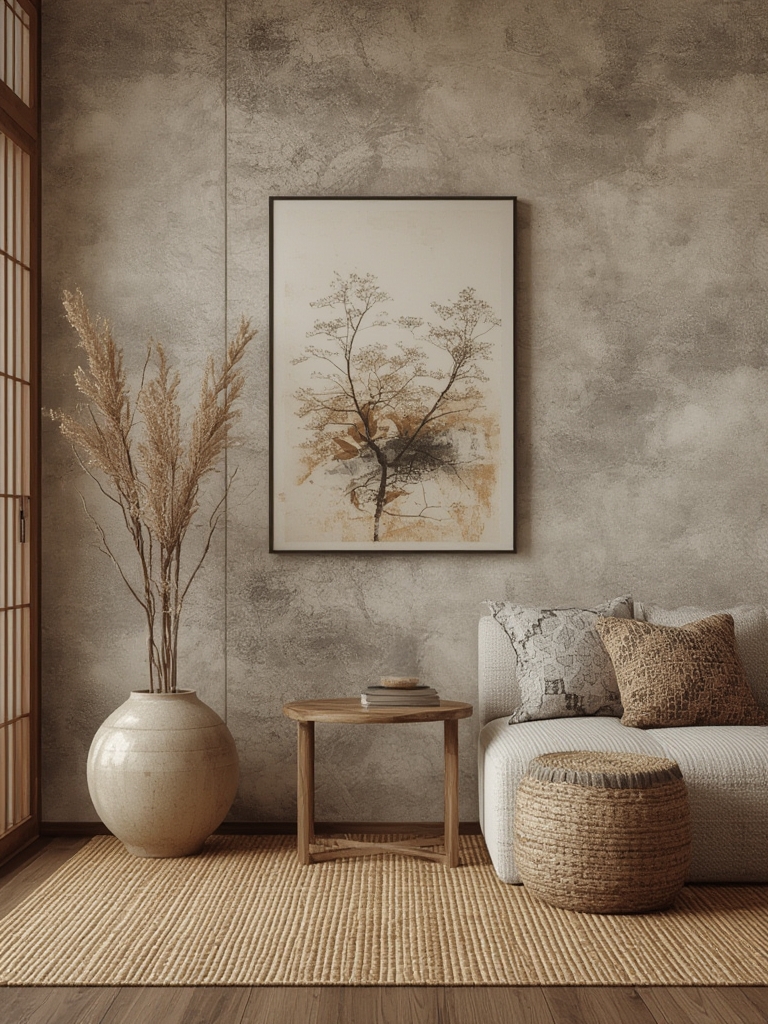
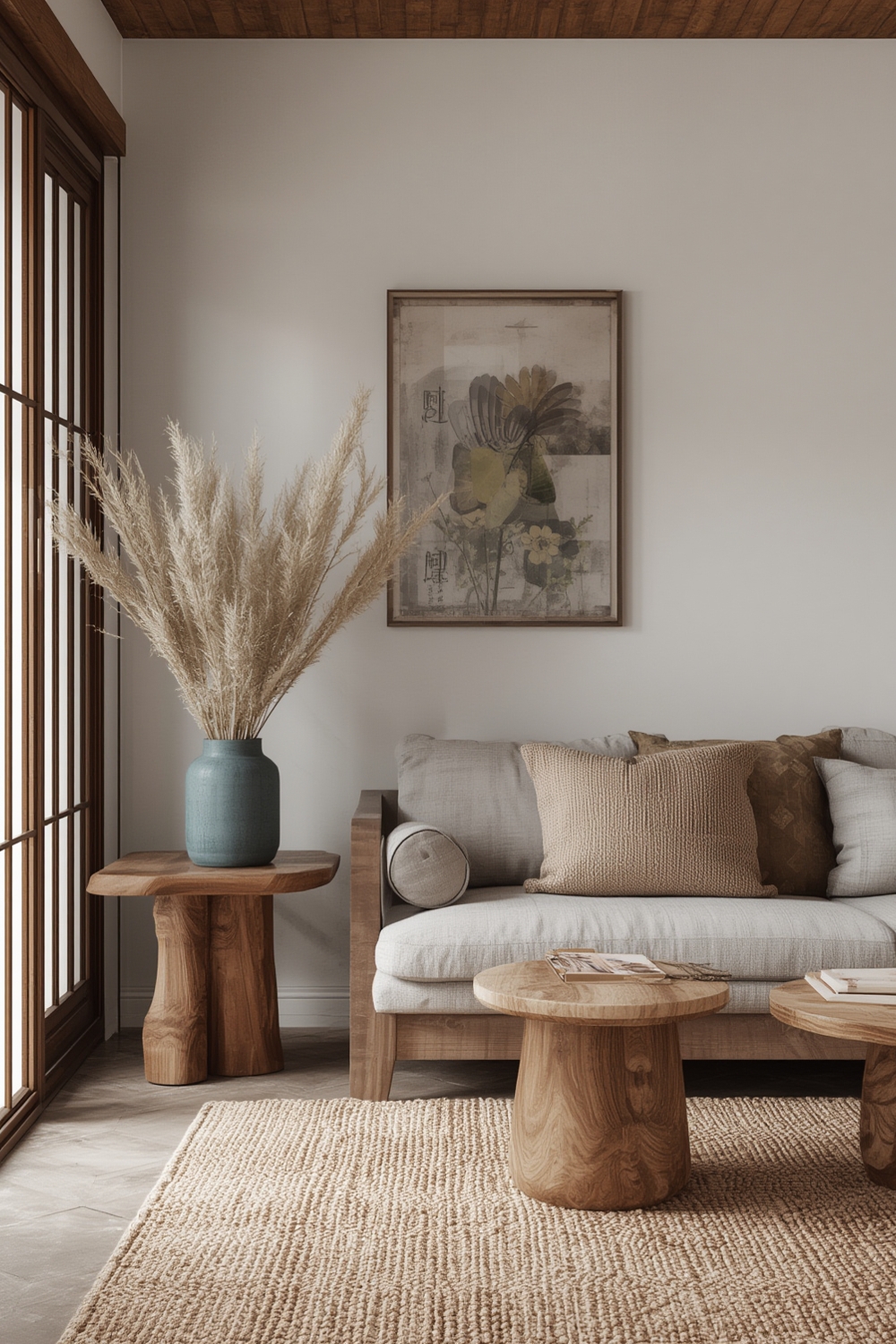
Japandi, the seamless blend of Japanese elegance and Scandinavian simplicity, has become a go‑to aesthetic for homeowners seeking a calm, clutter‑free sanctuary. By marrying minimalist principles with rustic warmth, this style creates spaces that feel both grounded and airy. Below you’ll discover data‑driven insights on why Japandi is trending, step‑by‑step guidance on integrating the perfect indoor plant, and actionable décor tips that make the fusion effortless.
Understanding Japandi Fusion: Minimalist Meets Rustic
Why Japandi Is Gaining Momentum
- According to a 2023 Houzz report, searches for “Japandi” increased by 42% year‑over‑year, indicating strong consumer interest.
- Google Trends shows peak interest in “Japandi décor” during the months of October–December, aligning with holiday home‑makeover cycles.
- Consumers value sustainability: 68% of Japandi‑focused shoppers prioritize eco‑friendly materials, according to a recent Nielsen survey.
Core Design Elements
To capture the essence of Japandi, focus on four pillars:
- Neutral Palette: Soft whites, muted greys, warm beiges, and earthy greens.
- Natural Materials: Light‑stained wood, bamboo, linen, and stone.
- Functional Minimalism: Clean lines, hidden storage, and purposeful décor.
- Rustic Warmth: Hand‑crafted details, textured fabrics, and subtle imperfections that add character.
Choosing the Right Materials and Colors
Wood & Textures
Data from the 2022 Interior Design Index shows that light‑tone woods such as oak, birch, and pine receive the highest “comfort” scores among Japandi enthusiasts. Opt for furniture with visible grain and a matte finish to keep the look understated yet inviting.
Color Strategy
Use a 70‑20‑10 rule: 70% neutral base, 20% warm accent (e.g., terracotta or muted mustard), and 10% deep contrast (e.g., charcoal or navy). This ratio maintains visual balance while allowing focal points to shine.
Incorporating Plants for a Japandi Touch
Ideal Plant Choices
Plants act as living bridges between Japanese serenity and Scandinavian nature. The most compatible options are:
- Snake Plant (Sansevieria trifasciata): Low‑maintenance, architectural foliage.
- ZZ Plant (Zamioculcas zamiifolia): Glossy leaves that echo minimalist lines.
- Fiddle Leaf Fig (Ficus lyrata): Provides a bold, sculptural presence when space allows.
Step‑by‑Step Plant Care Guide: Snake Plant
Step 1: Selecting the Right Pot
Choose a breathable, unglazed terracotta pot with a diameter 2‑3 inches larger than the root ball. Terracotta regulates moisture, preventing over‑watering—a common mistake for beginners.
Step 2: Light Requirements
Snake plants thrive in bright, indirect light but can tolerate low‑light corners. Place the plant near an east‑facing window for optimal chlorophyll production without scorching the leaves.
Step 3: Watering Technique
- Water only when the top 2 inches of soil feel dry to the touch (usually every 2‑3 weeks).
- Use the “bottom‑up” method: fill a tray with water, let the pot sit for 10 minutes, then discard excess. This encourages deep root absorption.
- Avoid water pooling in the saucer; stagnant water leads to root rot.
Step 4: Soil & Fertilizer
Mix equal parts cactus potting mix, perlite, and coarse sand for excellent drainage. During the growing season (spring‑early fall), feed with a balanced 10‑10‑10 liquid fertilizer diluted to half strength once a month.
Step 5: Maintenance & Pruning
- Remove any yellowed or damaged leaves at the base using clean, sharp scissors.
- Rotate the pot 90° every month to ensure even light exposure.
- Dust leaves with a soft cloth quarterly to maintain photosynthetic efficiency.
Actionable Placement Tips
Position the snake plant on a low, rustic wooden sideboard or a sleek Scandinavian floor lamp stand. This creates a visual anchor that reinforces the Japandi balance of height and groundedness.
Practical Décor Tips for a Cohesive Japandi Look
Furniture Arrangement
Adopt a “floating” layout: keep furniture away from walls to allow airflow and visual breathing space. Use a low‑profile sofa in a neutral linen fabric, paired with a reclaimed‑wood coffee table that showcases natural knots.
Textiles & Accents
- Rugs: Choose hand‑woven jute or sisal rugs (natural fibers) for tactile warmth.
- Cushions: Mix muted geometric patterns with solid‑color throws in natural cotton or wool.
- Lighting: Opt for paper lanterns or matte metal pendant lights that emit soft, diffused glow.
Wall & Shelf Styling
Limit wall décor to one statement piece—such as a black‑and‑white Japanese woodblock print—paired with a simple floating shelf. Display a curated trio of ceramic vases in varying heights, keeping the overall silhouette clean.
Eco‑Friendly Finishing Touches
Incorporate reclaimed materials like reclaimed pine picture frames or upcycled glass bottles. These elements reinforce the rustic aspect while aligning with the sustainability data that 68% of Japandi shoppers prioritize.
SEO‑Ready Content Checklist for Your Japandi Blog Post
Keyword Placement
- Primary keyword: “Japandi style home décor” – include in the first 100 words, an H2, and the concluding paragraph.
- Secondary keywords: “minimalist rustic interior,” “indoor plant care,” “snake plant tips” – sprinkle naturally throughout subheadings and bullet points.
Meta Description (155‑160 characters)
“Discover how to blend minimalist Japanese elegance with rustic Scandinavian charm. Learn Japandi décor basics, plant care steps, and actionable styling tips.”
Internal & External Links
Link to a related post on “Scandinavian lighting ideas” and cite the 2023 Houzz trend report (external) to boost authority.
Readability Enhancements
- Keep sentences under 20 words.
- Use transition words (however, therefore, additionally) to improve flow.
- Break up long paragraphs with bullet points and sub‑headings.
By following this data‑driven roadmap, you’ll create a Japandi‑inspired space that feels both minimalist and warmly rustic—while ensuring your indoor plant thrives as a living centerpiece. Happy styling!