
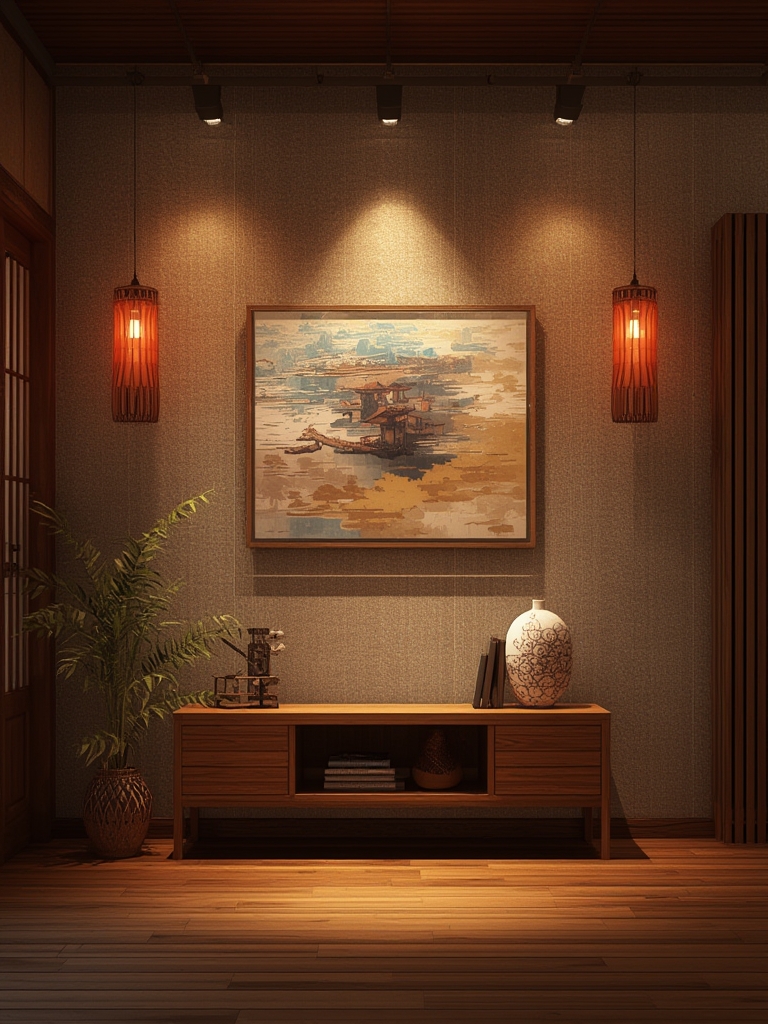
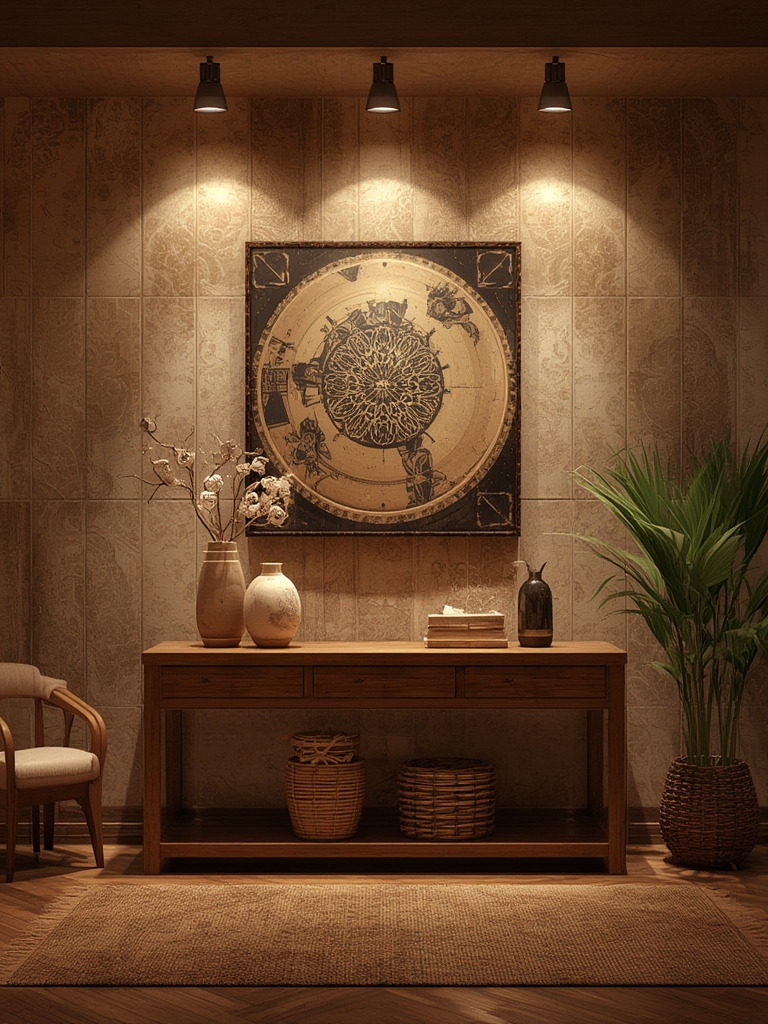
Japandi style, the harmonious blend of Japanese minimalism and Scandinavian warmth, has become a go‑to aesthetic for modern homes. Its clean lines, natural materials, and muted color palette create spaces that feel both tranquil and inviting. In this post we’ll walk through the essential elements that define Japandi décor, spotlight the pieces that make the look pop, and show you how to choose and care for the perfect plant to complete the vibe. Follow the step‑by‑step guide and you’ll have a cohesive, Instagram‑worthy room in no time.
Understanding Japandi: The Core Principles
1. Simplicity Over Excess
Both Japanese and Scandinavian design prioritize “less is more.” Keep surfaces uncluttered, choose furniture with clean silhouettes, and avoid decorative overload. This creates a calm backdrop where each item can breathe.
2. Natural Materials & Textures
Wood, bamboo, rattan, linen, and wool are the building blocks. Light‑colored oak or walnut floors paired with a low‑profile bamboo coffee table instantly signal Japandi. Layer textures—think a chunky knit throw over a sleek linen sofa—to add depth without visual noise.
3. Neutral Palette with Warm Accents
Base colors are soft whites, warm beiges, and cool greys. Add warmth through muted earth tones—terracotta, sage, or muted mustard. These accents keep the space cozy while preserving the minimalist feel.
Spotlight Elements for a Japandi Home
1. Low‑Profile Furniture
Choose pieces that sit close to the floor. A low, rectangular sofa in a natural linen fabric paired with a simple wooden frame coffee table creates a grounded look. Opt for furniture with tapered legs to echo Scandinavian elegance.
2. Functional Storage
Built‑in cabinets with sliding doors, open shelving made of light wood, and woven baskets keep clutter hidden. The key is to make storage look like a design element, not an afterthought.
3. Subtle Lighting
Paper lanterns, matte black metal floor lamps, and warm LED strips hidden behind shelving add soft, diffused light. Position lighting at eye level to highlight textures without harsh shadows.
4. Handcrafted Accents
Hand‑woven rugs, ceramic vases with simple glaze, and artisanal wall art bring an authentic, human touch. Look for pieces that celebrate craftsmanship rather than mass production.
Choosing the Right Plant for Japandi Spaces
Plants are the living bridge between Japanese serenity and Scandinavian nature. The ideal plant should be low‑maintenance, have a sleek silhouette, and thrive in indirect light—perfect for the calm, airy ambience of Japandi interiors.
Top Recommendation: ZZ Plant (Zamioculcas zamiifolia)
- Why it fits: Glossy, dark green leaves add subtle contrast without overwhelming the palette.
- Low light tolerance: Thrives in the soft, filtered light typical of Japandi rooms.
- Minimal watering: Perfect for busy homeowners who value simplicity.
Step‑by‑Step Care Guide for Your ZZ Plant
Step 1: Choose the Right Pot
Tip: Use a breathable ceramic pot with a drainage hole. A neutral color (off‑white, stone, or matte black) keeps the look cohesive. Place a thin layer of pebble stones at the bottom to improve drainage and prevent root rot.
Step 2: Soil Preparation
Tip: Mix equal parts potting soil, perlite, and orchid bark. This well‑draining blend mimics the plant’s natural rocky habitat and reduces the risk of water‑logging.
Step 3: Light Placement
Action: Position the ZZ plant near a north‑facing window or a few feet away from an east‑facing window. It should receive bright, indirect light. If the room feels too dim, rotate the pot 90° every two weeks to ensure even growth.
Step 4: Watering Schedule
Advice: Water only when the top 2 inches of soil feel dry to the touch—typically every 2–3 weeks in cooler months and weekly in summer. Use room‑temperature water to avoid shocking the roots.
Step 5: Feeding
Tip: Apply a balanced, water‑soluble fertilizer (10‑10‑10) at half strength once a month during the growing season (spring–early fall). Skip feeding in winter when growth naturally slows.
Step 6: Pruning & Maintenance
Action: Trim any yellowing or damaged leaves with clean scissors. This encourages new growth and keeps the plant’s silhouette tidy—essential for maintaining the sleek Japandi aesthetic.
Step 7: Pest Prevention
Quick fix: Inspect leaves weekly for spider mites or mealybugs. If you spot pests, wipe the leaves with a damp cloth and apply a mild neem oil spray (1 % solution) once a week until the infestation clears.
Integrating the ZZ Plant into Japandi Décor
1. Statement Corner
Place the plant in a corner with a low‑profile floor lamp. The vertical lines of the ZZ plant echo the clean lines of the furniture, while the soft glow of the lamp adds warmth.
2. Shelf Accent
Use a floating wooden shelf at eye level. Position the ZZ plant in a simple white pot and pair it with a few handcrafted ceramic pieces. This creates a balanced vignette that feels curated, not cluttered.
3. Tabletop Focal Point
Swap a generic decorative bowl for a small ZZ plant on a coffee table. The plant’s glossy leaves contrast nicely with a matte stone coaster set, adding a touch of life without dominating the space.
Final Checklist for a Cohesive Japandi Look
- Stick to a neutral base palette (whites, greys, beiges).
- Incorporate natural textures—wood, linen, wool.
- Choose low‑profile, functional furniture.
- Use soft, diffused lighting to highlight textures.
- Select a low‑maintenance plant like the ZZ plant.
- Follow the step‑by‑step care guide to keep the plant healthy.
- Arrange the plant in a way that enhances, not overwhelms, the room’s balance.
By blending these design fundamentals with a simple, thriving plant, you’ll achieve the serene, sophisticated vibe that defines Japandi style. The result? A home that feels both grounded and airy—perfect for everyday living and effortless Instagram moments.