
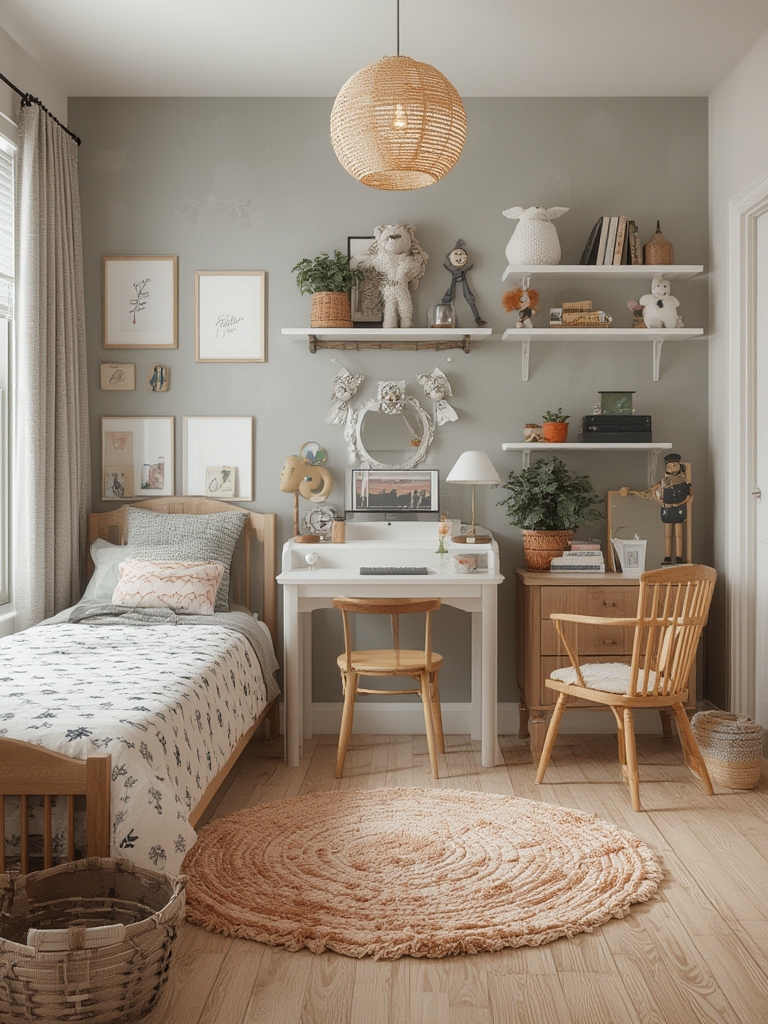
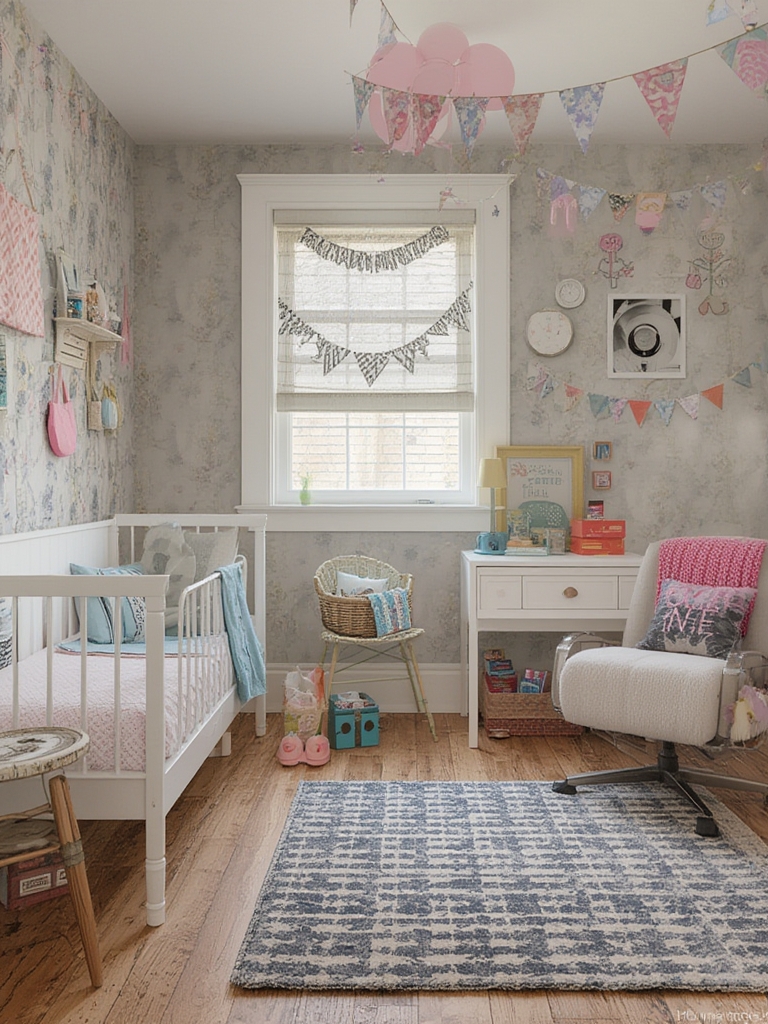
Creating a vibrant, kid‑friendly space doesn’t have to be a daunting project. By blending playful décor with a touch of nature, you can transform a plain bedroom into a lively learning hub that sparks imagination and teaches responsibility. This guide walks you through a step‑by‑step revamp, focusing on a low‑maintenance “green buddy” that kids can help care for, while sprinkling in creative DIY ideas that keep the room fresh and fun.
Why Add a Plant to a Kids’ Room?
Plants do more than brighten a space; they improve air quality, teach life cycles, and give children a sense of ownership. Choosing a hardy, non‑toxic variety ensures safety and longevity, even with occasional over‑watering or forgetful watering schedules.
Best Plant Picks for Young Caretakers
- Spider Plant (Chlorophytum comosum) – Tough, tolerates low light, and produces “babies” that kids love to propagate.
- Pothos (Epipremnum aureum) – Fast‑growing, forgiving, and can trail from shelves for a whimsical look.
- Boston Fern (Nephrolepis exaltata) – Loves humidity, perfect for a bathroom‑adjacent bedroom.
Step‑by‑Step Plant Care Guide
Follow these practical steps to ensure your green companion thrives while giving kids a hands‑on learning experience.
1. Choose the Right Pot and Location
- Pot selection: Opt for a lightweight, breathable container with drainage holes. Terracotta is ideal because it lets excess moisture evaporate.
- Placement: Position the pot near a north‑ or east‑facing window for indirect sunlight. If natural light is limited, a full‑spectrum LED grow light placed 12‑18 inches above the plant works well.
- Kid‑proof tip: Secure the pot on a sturdy shelf or use a decorative plant stand with a wide base to prevent tipping.
2. Prepare the Soil Mix
- Use a well‑draining mix: Combine 2 parts potting soil, 1 part perlite, and 1 part coconut coir. This blend retains enough moisture without becoming soggy.
- DIY soil test: Stick a finger 2 cm deep; soil should feel moist but not wet. If it feels sticky, add more perlite.
- Kid activity: Let children help measure and stir the components. It’s a tactile way to teach ratios.
3. Planting the Seedling
- Fill the pot: Add soil up to 2 cm below the rim.
- Make a hole: Use a small trowel or your fingers to create a depression the size of the root ball.
- Set the plant: Gently place the seedling, then backfill with soil, pressing lightly to eliminate air pockets.
- Water once: Give a thorough soak until water drains from the bottom. This settles the soil around the roots.
4. Establish a Watering Routine
- Check moisture: Every 3‑4 days, insert a finger 2 cm deep. If it feels dry, water until it drains.
- Use a watering can with a narrow spout: This directs water to the soil, avoiding leaf splatter that can cause spots.
- Kid‑friendly schedule: Create a colorful chart with stickers for each watering day. Celebrate consistency with a “Plant Hero” badge.
5. Light & Temperature Management
- Light: For spider plants, 4‑6 hours of bright, indirect light is ideal. Rotate the pot weekly to ensure even growth.
- Temperature: Keep the room between 18‑24 °C (65‑75 °F). Avoid drafts from open windows or heating vents.
- Fun twist: Hang a small, decorative wind chime near the plant. It adds auditory stimulation and reminds kids to check the plant’s environment.
6. Feeding & Maintenance
- Fertilize monthly: Use a balanced, water‑soluble fertilizer (10‑10‑10) diluted to half strength. Apply during the watering routine.
- Prune dead leaves: Show kids how to snip with child‑safe scissors, removing yellowed foliage to encourage new growth.
- Propagation: When spider plant “babies” develop, let kids trim them and re‑pot in small containers. This reinforces responsibility and offers a sense of achievement.
Creative Room Revamp Ideas
Now that the plant is set, let’s weave it into a broader design that fuels imagination and keeps the space adaptable as kids grow.
1. Themed Wall Decals
Choose nature‑inspired stickers—leaf vines, jungle animals, or constellations. Apply them around the plant’s location to create a cohesive “green zone.” Kids can help peel and stick, developing fine‑motor skills.
2. DIY Plant Shelf
- Materials: Reclaimed wooden crates, sandpaper, non‑toxic paint, and brackets.
- Steps: Paint the crates in bright colors, attach brackets to the wall at child‑friendly height, and stack the crates to form a tiered shelf.
- Tip: Reserve the top tier for the plant, middle for books, and bottom for toys. This creates an organized, visually appealing display.
3. Interactive Growth Chart
Mount a long strip of paper or a magnetic board next to the plant. Each week, have kids draw a leaf or add a sticker to mark the plant’s growth. Over time, the chart becomes a visual diary of responsibility and progress.
4. Light‑Play Corner
Install a low‑voltage LED strip that changes colors. Pair it with a “night‑time” mode that glows softly, turning the plant area into a calming bedtime nook. Kids can learn about light cycles and how they affect plant health.
5. Sensory Craft Station
Set up a small table with natural materials—pine cones, smooth stones, and dried leaves. Encourage kids to create nature‑themed art that can be displayed near the plant, reinforcing the connection between the living green and creative expression.
Maintaining Momentum: Small Daily Actions
Consistency is key for both plant health and a tidy room. Here are bite‑size habits that keep the space thriving without overwhelming busy families.
- Morning check‑in (2 min): Look at the plant, note any wilted leaves, and add a sticker to the growth chart.
- Evening tidy (3 min): Put toys back on the shelf, wipe any water spills, and reset the LED light to “night” mode.
- Weekly “plant day” (15 min): Rotate the pot, prune, and fertilize if it’s the designated month.
Wrapping Up: A Room That Grows With Your Child
By integrating a resilient plant, hands‑on care routines, and imaginative décor, you create a dynamic environment that nurtures curiosity, responsibility, and creativity. The steps above are deliberately simple, allowing kids to take ownership while parents enjoy a low‑maintenance, aesthetically pleasing space. Remember, the goal isn’t perfection—it’s a living, evolving room that reflects the joy of childhood discovery.