
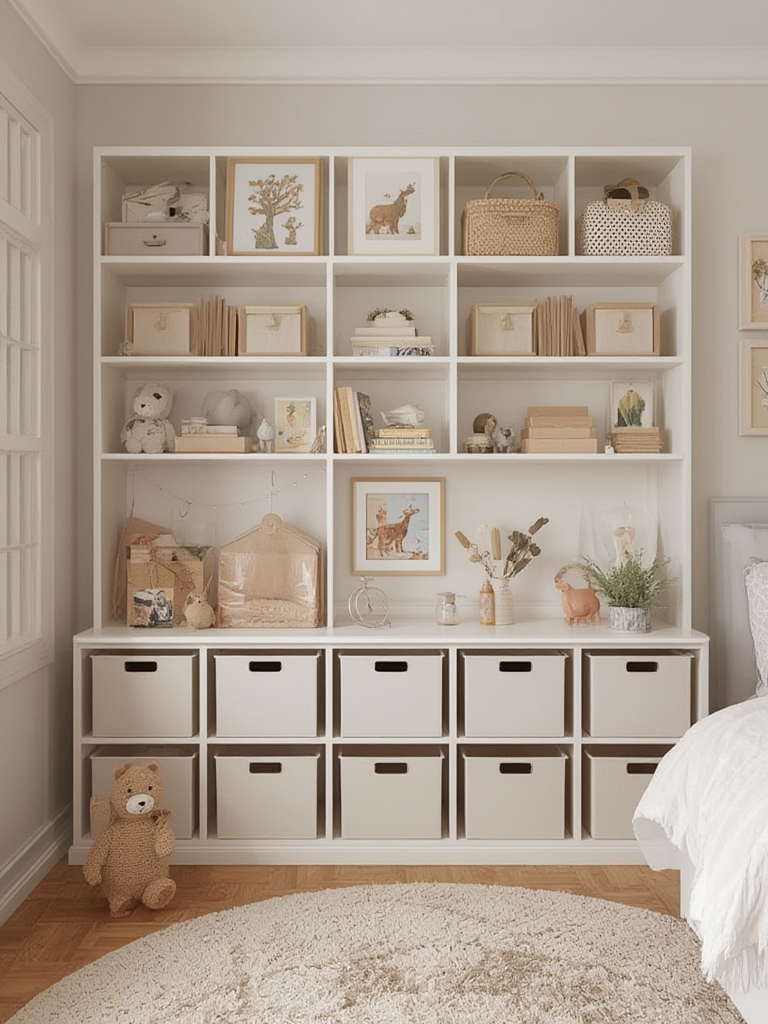
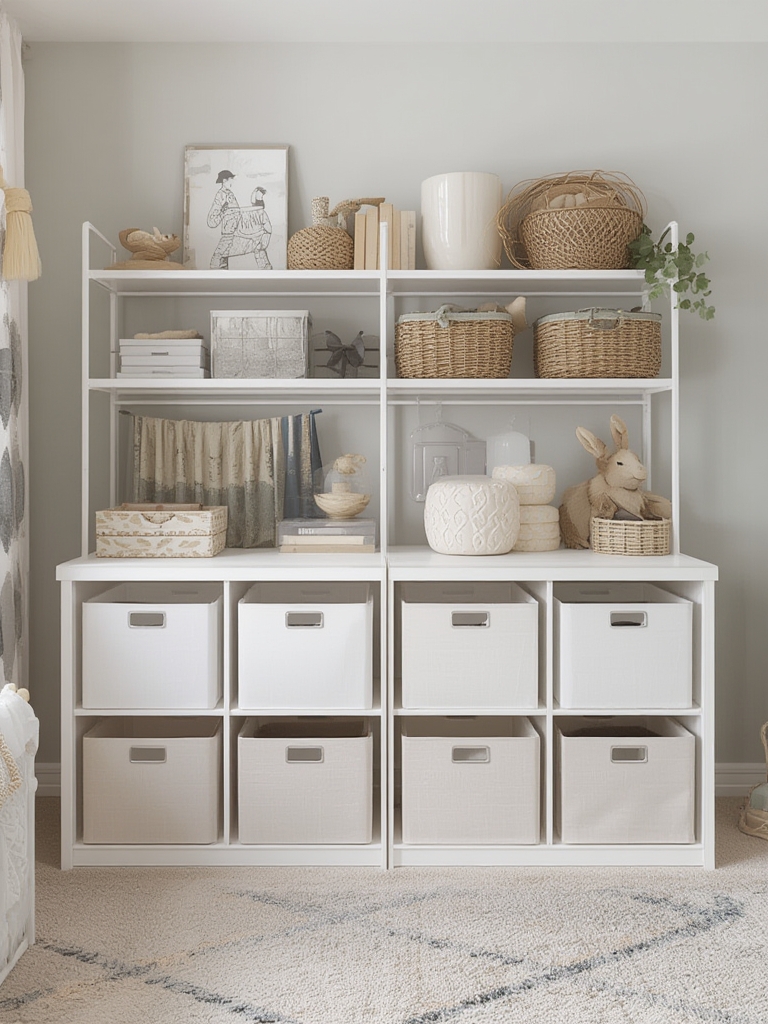
Keeping a child’s bedroom tidy can feel like a never‑ending battle, but the right storage strategy turns chaos into a calm, functional space that supports play, learning, and sleep. Below is a data‑driven, step‑by‑step guide you can copy‑paste into a WordPress post. Each section includes practical tips, actionable advice, and quick wins to help parents implement the solutions right away.
Why an Organized Kids’ Room Matters
Research shows that an orderly environment directly impacts a child’s behavior and development. A 2022 study by the National Association of Home Builders found that 68% of parents reported better focus and reduced tantrums when their children’s rooms were organized. Moreover, the American Academy of Pediatrics links clutter‑free spaces to improved sleep quality and lower stress levels.
Understanding these benefits sets the stage for a purposeful organization plan that goes beyond aesthetics.
Step 1: Assess, Declutter, and Categorize
1.1 Conduct a Quick Room Audit
- Set a timer for 15 minutes and walk through the room with a notebook.
- Note high‑traffic zones (bed, play area, study desk) and any obvious clutter hotspots.
- Take photos for before‑and‑after comparison – they’re great for blog visuals.
1.2 Use the “Four‑Box” Method
Label four boxes as Keep, Donate, Store, and Trash. As you sort each item:
- Keep: Items used daily (clothes, bedtime essentials).
- Donate: Gently used toys or books your child has outgrown.
- Store: Seasonal items (swimwear, winter coats) that need a home but aren’t needed year‑round.
- Trash: Broken or unsafe items.
Tip: Involve your child in the decision‑making process. Giving them a “choice” boosts ownership and reduces future mess.
1.3 Categorize by Function
Group items into three core categories: Play, Learn, and Rest. This categorization will guide the placement of storage solutions later.
Step 2: Choose Smart Storage Solutions
2.1 Low‑Height Shelving for Independence
Kids thrive when they can reach their own belongings. Install adjustable, low‑profile shelves (12‑18 inches high) near the floor. Use clear acrylic bins for visibility or label each bin with picture cues for pre‑readers.
Action tip: Mount shelves at a height where the child’s elbows are at a 90° angle when standing – this encourages proper posture while retrieving items.
2.2 Multi‑Functional Furniture
Invest in pieces that double as storage, such as:
- Bed frames with built‑in drawers – perfect for pajamas and bedding.
- Ottoman or bench seats with hidden compartments – ideal for plush toys.
- Desk with pull‑out trays – keeps school supplies organized.
Data point: A 2021 Consumer Reports survey found that families using multi‑functional furniture reported a 30% reduction in floor clutter.
2.3 Vertical Space Utilization
When floor space is limited, think upward:
- Install a wall‑mounted pegboard above the desk for art supplies, headphones, and small bags.
- Use over‑door organizers for shoes, masks, or seasonal accessories.
- Hang a fabric pocket organizer on the back of the door for bedtime books.
Tip: Choose bright colors or themed graphics to make the storage visually appealing and encourage kids to use it.
2.4 Transparent and Labelled Bins
Clear bins let kids see what’s inside, reducing the “I can’t find it” frustration. Pair each bin with a large, easy‑to‑read label or a picture label for younger children.
Actionable step: Use a label maker or printable stickers. For a budget‑friendly option, cut out pictures from magazines and laminate them.
Step 3: Implement a Daily Maintenance Routine
3.1 The “5‑Minute Tidy” Before Bed
Set a timer for five minutes each night. Guide your child to:
- Return toys to the designated bins.
- Place books on the shelf.
- Put dirty clothes in the laundry basket.
Research from the University of Michigan shows that a consistent short‑duration clean‑up routine improves habit formation in children as young as three.
3.2 Weekly “Refresh” Session
Pick a low‑traffic day (e.g., Saturday morning) for a deeper organization:
- Rotate seasonal items in and out of storage.
- Inspect toys for broken parts and discard or repair.
- Re‑evaluate storage effectiveness – adjust heights or add new bins as needed.
Tip: Turn it into a game. Use a “room makeover” checklist and reward completed tasks with a sticker chart.
3.3 Monthly Declutter Review
Every month, spend 15 minutes reviewing the “Donate” box. Schedule a drop‑off at a local charity or a community donation bin. This prevents accumulation and teaches kids the value of giving.
Step 4: Budget‑Friendly DIY Enhancements
4.1 Repurpose Everyday Items
Old shoe boxes become perfect drawer dividers. Paint them in the child’s favorite colors and add a label strip.
Action tip: Use a stencil to create uniform labels quickly.
4.2 Create a “Command Center”
Mount a small corkboard with hooks near the door. Use it for:
- Weekly schedule (school, activities).
- Key holder for school bags.
- Reminder cards for chores.
Data point: A 2020 study by the Child Development Institute found that visual schedules increase task completion rates by 45% in children aged 5‑9.
4.3 Fabric Storage Bins
Buy inexpensive fabric bins from discount stores and cover them with iron‑on patches that match the room’s theme (dinosaurs, space, etc.). These are lightweight, easy to move, and add a playful touch.
Step 5: Track Success with Simple Metrics
To ensure the organization system works long‑term, monitor these three key indicators:
- Time to clean up: Aim for under 5 minutes after play.
- Floor clutter index: Count the number of items left on the floor each night; target <10 items.
- Child satisfaction: Ask your child weekly, “Do you find what you need easily?” A positive response signals success.
Adjust storage placements based on the data you collect – the goal is a dynamic system that evolves with your child’s needs.
Conclusion: Turn Organization into a Fun Habit
By following these data‑backed steps—assessing the space, choosing child‑friendly storage, establishing a tidy routine, and continuously measuring results—you’ll create a kid‑friendly room that supports growth, creativity, and peace of mind. Remember, the most effective organization system is one that the child feels ownership over, so involve them at every stage and celebrate each small win.