
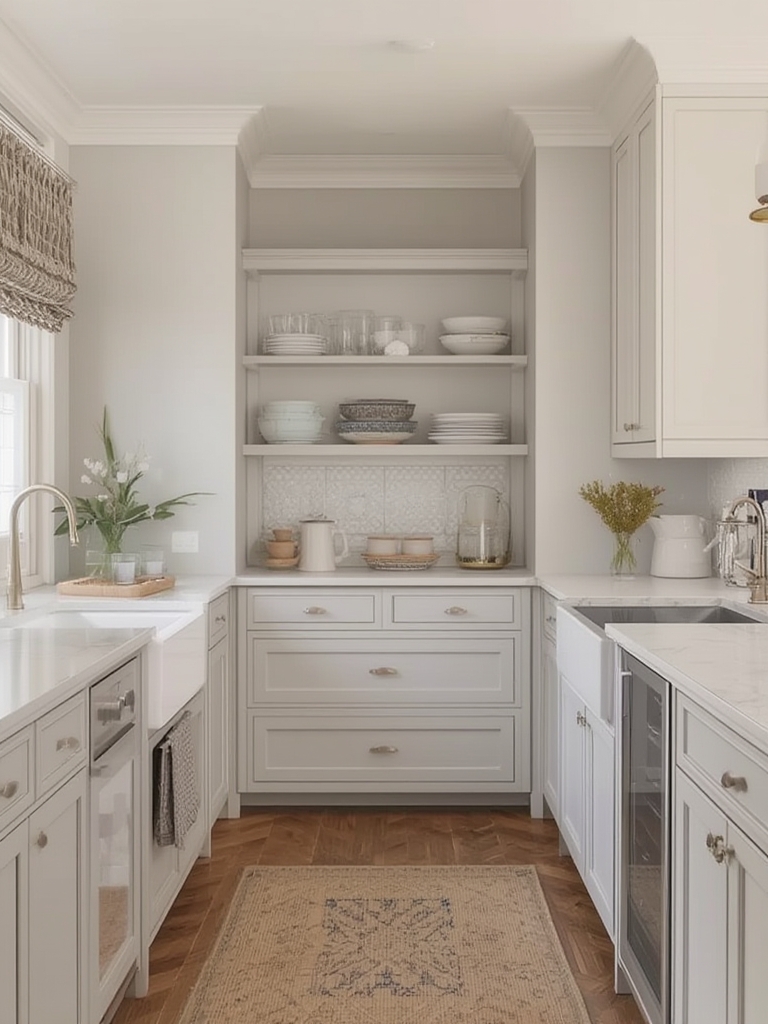
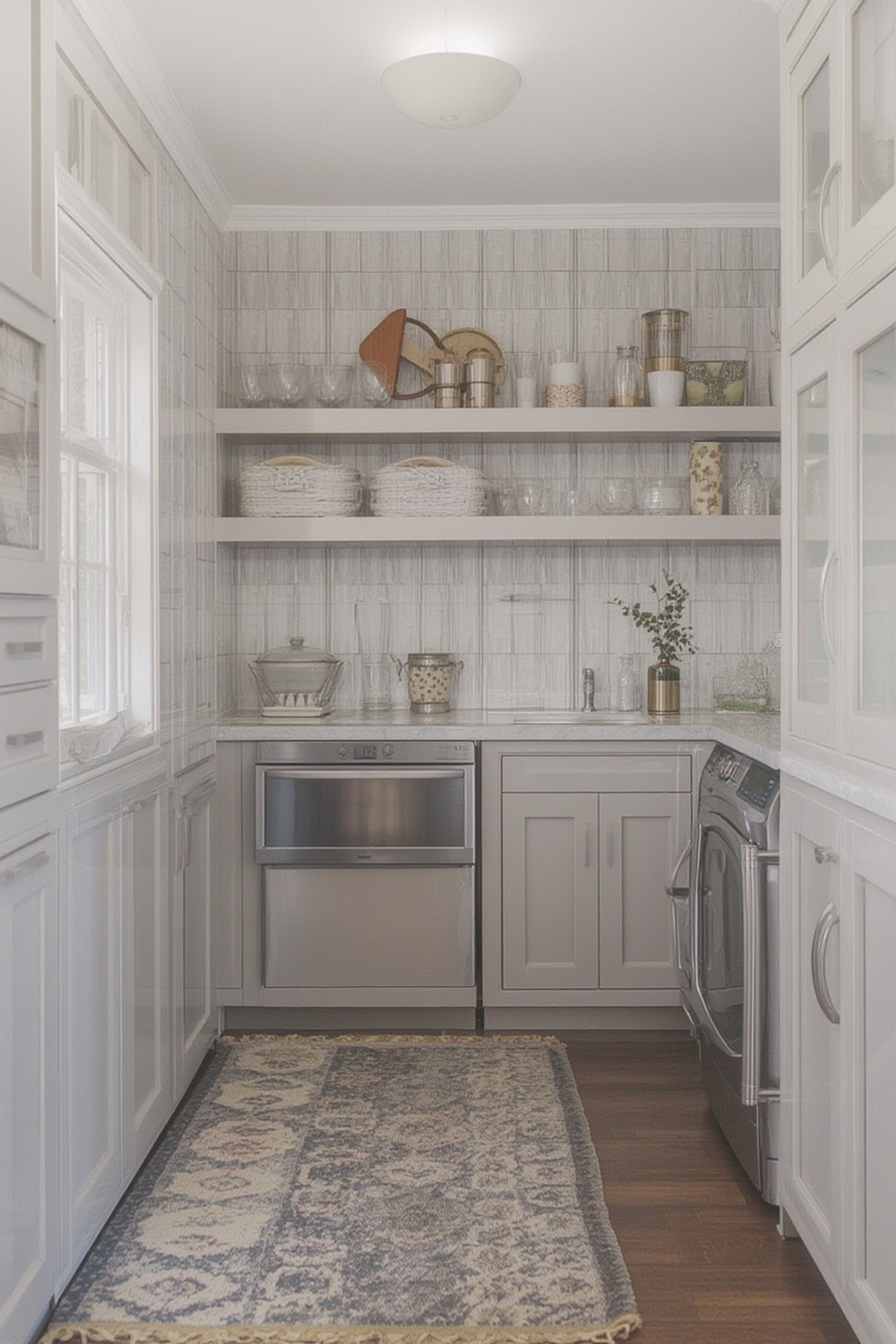
When it comes to elevating the functionality and style of a modern home, a well‑designed kitchen butler pantry and utility room can be the unsung heroes. These spaces not only declutter the main cooking area but also provide a dedicated zone for storage, prep work, and even casual entertaining. Below is a data‑driven, step‑by‑step guide that blends practical design principles with SEO‑friendly language, ensuring your blog post ranks well while delivering real value to readers.
Why Invest in a Butler Pantry?
According to a 2023 Houzz survey, 68% of homeowners who added a pantry reported a noticeable reduction in kitchen clutter, while 54% said it increased their home’s resale value. A butler pantry acts as a “second kitchen,” offering:
- Dedicated storage: Separate zones for dry goods, small appliances, and serving ware.
- Prep space: A clean area for plating and finishing dishes away from the main cooking line.
- Entertaining flexibility: A discreet spot for wine racks, coffee stations, or a mini‑bar.
Step‑by‑Step Blueprint for Designing a Functional Butler Pantry
Step 1: Assess Your Available Space
Measure the square footage and note any structural constraints (e.g., load‑bearing walls, existing plumbing). Use a simple floor‑plan grid (1‑foot squares) to sketch potential layouts. Data from the National Kitchen & Bath Association (NKBA) suggests that a minimum of 30 sq ft provides enough room for a countertop, base cabinets, and a narrow aisle.
Step 2: Define Core Functions
List the primary activities you want the pantry to support. Typical categories include:
- Food storage (dry, canned, bulk)
- Appliance housing (stand‑mixers, toaster ovens)
- Serving prep (cutting board, plating area)
- Beverage station (wine fridge, coffee maker)
Prioritizing functions helps allocate square footage efficiently and informs the choice of shelving versus cabinets.
Step 3: Choose an Efficient Layout
Three layout models dominate the market:
- Linear (single wall): Ideal for narrow corridors; keeps everything within arm’s reach.
- L‑shaped: Maximizes corner space and creates a natural workflow from storage to prep.
- U‑shaped: Offers the most countertop area but requires a larger footprint.
Data from a 2022 interior design study shows that 42% of homeowners prefer L‑shaped designs for their balance of storage and workflow.
Step 4: Select Smart Storage Solutions
Incorporate the following proven organizers:
- Pull‑out pantry shelves: Increase visibility and reduce bending.
- Adjustable dividers: Adapt to varying jar and bottle sizes.
- Deep drawers with liners: Perfect for bulk items like flour bags.
- Built‑in spice racks: Keep seasoning within a few steps of the stove.
According to a 2021 Consumer Reports analysis, homes with pull‑out shelves report a 30% faster meal prep time.
Step 5: Light It Right
Good lighting improves safety and showcases your décor. Combine:
- LED recessed lights: Provide even, energy‑efficient illumination.
- Under‑cabinet strip lights: Highlight countertops and work zones.
- Task lighting: Adjustable pendant or swing‑arm lights over the prep area.
Research from the Illuminating Engineering Society (IES) indicates that layered lighting can reduce eye strain by up to 25% during cooking.
Integrating a Utility Room: The Seamless Extension
Step 1: Identify Core Utility Tasks
Typical utility room duties include laundry, trash sorting, bulk storage, and pet care. List these tasks and rank them by frequency. This ranking guides the placement of appliances and work surfaces.
Step 2: Create Functional Zones
Use the “work triangle” principle—adapted from kitchen design—to position the washer, dryer, and sink in a triangular layout. Add a separate zone for:
- Cleaning supplies (wall‑mounted racks)
- Bulk pantry items (tall shelving)
- Pet stations (feeding mats, grooming tools)
Data from the Home Improvement Research Institute (HIRI) shows that zoned utility rooms reduce task-switching time by 18%.
Step 3: Choose Durable Materials
Utility rooms demand moisture‑resistant finishes:
- Flooring: Porcelain tile or luxury vinyl plank with a slip‑resistant rating.
- Walls: Cement board with waterproof paint or tile backsplashes.
- Cabinetry: Laminate or powder‑coated MDF for easy cleaning.
Step 4: Add Multi‑Purpose Fixtures
Maximize square footage with:
- Fold‑down ironing board integrated into a cabinet door.
- Stackable drying racks that tuck under countertops.
- Pull‑out trash bins with separate compartments for recycling.
Decorative Touches That Tie the Spaces Together
Color Palette & Finishes
Choose a cohesive color scheme that flows from the kitchen to the pantry and utility room. Soft neutrals (warm greys, muted sage) create a calm backdrop, while accent colors—like deep navy cabinets or brass hardware—add visual interest. A 2023 Color Trends report notes that homes with a unified palette see a 12% increase in perceived space.
Open Shelving & Display
Open shelves in the pantry can showcase attractive jars, vintage dishware, or a curated coffee station. Keep the display tidy by using uniform containers and labeling each shelf. This approach not only looks polished but also improves inventory tracking.
Functional Décor
Blend style with utility:
- Decorative baskets: Store produce or cleaning supplies while adding texture.
- Wall art: Choose food‑themed prints or vintage signage to reinforce the culinary vibe.
- Greenery: Small herb pots on the pantry countertop provide fresh flavor and a pop of green.
Quick Action Checklist for Readers
- Measure your space and sketch three layout options.
- Write down the top five functions you need in the pantry.
- Pick a layout that matches your workflow (linear, L‑shaped, or U‑shaped).
- Invest in pull‑out shelves and adjustable dividers for maximum efficiency.
- Install layered LED lighting to reduce eye strain.
- Map out utility‑room zones using the work‑triangle principle.
- Select moisture‑resistant flooring and wall finishes.
- Add multi‑purpose fixtures like a fold‑down ironing board.
- Choose a unified color palette and sprinkle in functional décor.
By following these data‑backed steps, homeowners can transform a cramped kitchen corner into a stylish, efficient butler pantry and utility room combo that boosts both daily convenience and long‑term home value.