

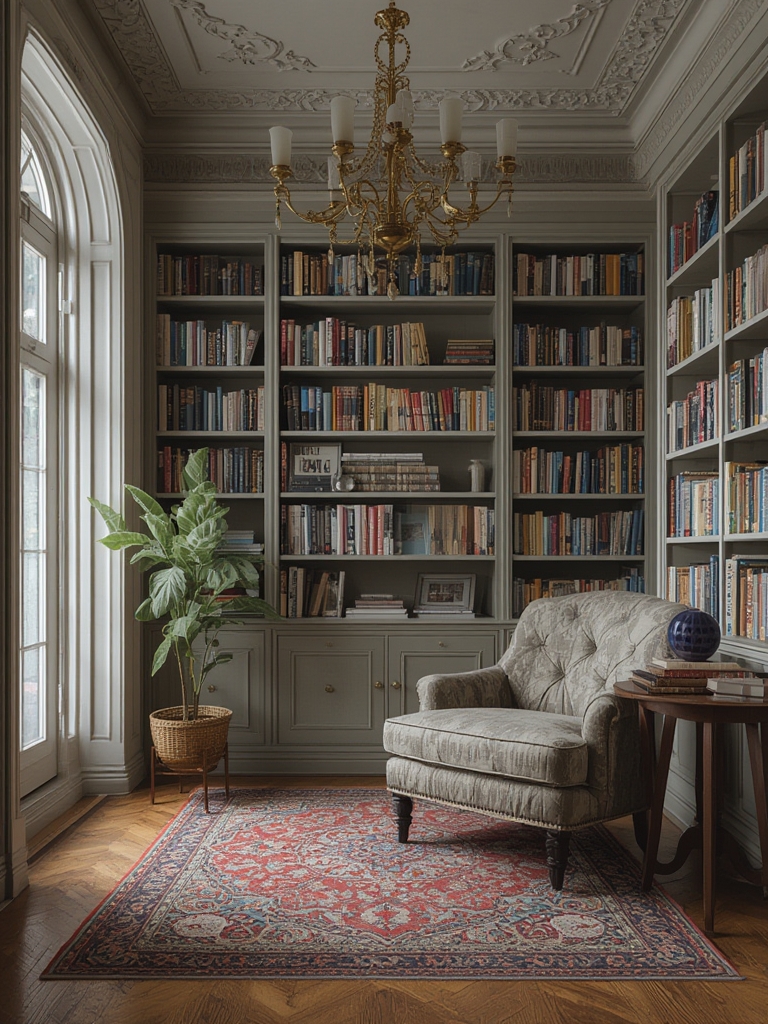
Reviving a library’s quiet reading space isn’t just about adding a few comfy chairs—it’s a strategic move that boosts patron satisfaction, increases foot traffic, and strengthens the library’s role as a community hub. By blending data‑driven insights with thoughtful design, you can transform a neglected corner into a vibrant sanctuary for focused reading and study. Below is a step‑by‑step guide that walks you through the entire process, from assessing current usage to fine‑tuning the environment for optimal acoustics and comfort.
1. Conduct a Data‑Driven Audit
Gather Usage Statistics
- Use the library’s circulation system to pull reports on the most borrowed quiet‑zone‑friendly titles (e.g., literature, academic texts).
- Install a simple foot‑traffic counter (or use existing Wi‑Fi analytics) to measure how many patrons pass through the designated area each day.
- Survey patrons (both online and on‑site) with a short questionnaire: “How often do you use the quiet reading space?” and “What improvements would you like to see?”
Analyze the Data
- Identify peak hours and under‑utilized times. Aim to schedule staff presence and programming around the busiest periods.
- Cross‑reference popular book genres with seating capacity to determine the ideal number of seats per genre zone (e.g., fiction vs. research).
- Look for patterns in feedback—common requests often include better lighting, more power outlets, and sound‑absorbing materials.
2. Define Clear Objectives
Set Measurable Goals
- Increase quiet‑space occupancy by 30% within six months.
- Achieve a patron satisfaction rating of 4.5 / 5 in post‑visit surveys.
- Reduce ambient noise levels to below 35 dB (measured with a decibel meter).
Align with Library Mission
Ensure the revival supports broader goals such as lifelong learning, community engagement, and equitable access. Position the quiet space as a “learning lab” that complements digital resources and programming.
3. Optimize the Physical Environment
Lighting
- Replace harsh fluorescent tubes with adjustable LED fixtures that provide 300–500 lux—ideal for reading without eye strain.
- Install task lamps at each table for personalized lighting control.
- Use natural light where possible; position seats near windows but add blinds to prevent glare.
Acoustics
- Apply acoustic panels (e.g., 12‑inch fabric‑wrapped panels) on walls and the ceiling to absorb mid‑range frequencies.
- Place thick rugs or carpet tiles on the floor to dampen footfall noise.
- Introduce “quiet zones” with clear signage and a color‑coded system (e.g., green for silent study, yellow for low‑volume collaboration).
Furniture & Layout
- Select ergonomic chairs with lumbar support; aim for a mix of individual study carrels and small group tables.
- Maintain a minimum of 3‑foot clearance between seats to respect personal space and facilitate easy cleaning.
- Incorporate mobile furniture on lockable casters for flexible reconfiguration during events.
Technology Integration
- Install ample power outlets and USB charging stations at each seat.
- Provide high‑speed Wi‑Fi with a dedicated SSID for the quiet area to reduce bandwidth competition.
- Consider a reservation system (via the library’s app) that lets patrons book a spot in advance, reducing uncertainty and crowding.
4. Curate a Supportive Collection
Physical Materials
- Stock a rotating selection of high‑interest titles based on the audit’s most‑borrowed genres.
- Include a “quiet‑zone” shelf with books that have low visual noise (e.g., plain covers, minimal illustrations) to maintain a calm aesthetic.
- Offer a small selection of high‑quality magazines and journals for leisurely reading.
Digital Resources
- Promote e‑books and audiobooks that can be accessed on personal devices without disturbing others.
- Provide QR codes on shelves that link directly to the library’s digital catalog, encouraging seamless discovery.
5. Implement Ongoing Maintenance & Monitoring
Daily Upkeep
- Assign a staff member to tidy the space at the end of each shift—arrange chairs, straighten books, and empty trash bins.
- Use a checklist to verify that all lights, outlets, and tech devices are functional.
Monthly Review
- Re‑run foot‑traffic and occupancy reports to track progress toward your goals.
- Conduct a quick noise level test during peak hours; adjust acoustic treatments as needed.
- Gather fresh patron feedback through a short pop‑up survey on a tablet placed near the entrance.
Seasonal Refresh
- Rotate the featured book display quarterly to keep the collection fresh and aligned with current trends (e.g., award winners, local author spotlights).
- Update décor with seasonal colors or artwork from community members to maintain visual interest.
6. Promote the Revived Space
SEO‑Friendly Blog Post
Publish a blog article (like the one you’re reading) that targets keywords such as “quiet reading space,” “library study area,” and “library redesign.” Use meta descriptions, alt text for images, and internal links to related resources (e.g., “How to Choose the Right Reading Lamp”).
Social Media & Email
- Share before‑and‑after photos on Instagram and Facebook with hashtags #QuietReading and #LibraryRevival.
- Send a monthly newsletter spotlighting a “Featured Quiet Spot” and encouraging patrons to book a session.
- Host a soft‑opening event with a local author reading, inviting press to generate buzz.
Community Partnerships
- Collaborate with nearby schools and universities to promote the space as a study hub.
- Offer free workshops on effective study habits, citing the data‑driven improvements you’ve made.
7. Evaluate Success and Iterate
Key Performance Indicators (KPIs)
- Occupancy Rate: (Total occupied seats ÷ Total available seats) × 100.
- Patron Satisfaction Score: Average rating from post‑visit surveys.
- Noise Level: Average decibel reading during peak hours.
- Resource Utilization: Number of books checked out from the quiet‑zone shelf.
Continuous Improvement
Use the KPI data to make evidence‑based tweaks. If occupancy is high but satisfaction is low, investigate comfort issues (e.g., chair ergonomics). If noise levels exceed targets, add more acoustic panels or enforce quiet‑zone signage more strictly.
Conclusion
Reviving a library’s quiet reading space is a multifaceted project that blends data analysis, thoughtful design, and community engagement. By following the steps outlined above—starting with a solid audit, setting clear objectives, optimizing the environment, curating supportive collections, maintaining rigorously, promoting strategically, and continuously evaluating—you’ll create a sanctuary that not only meets patrons’ needs but also elevates the library’s reputation as a modern learning hub. The result is a thriving, data‑backed quiet zone that invites readers to linger, learn, and return again and again.