
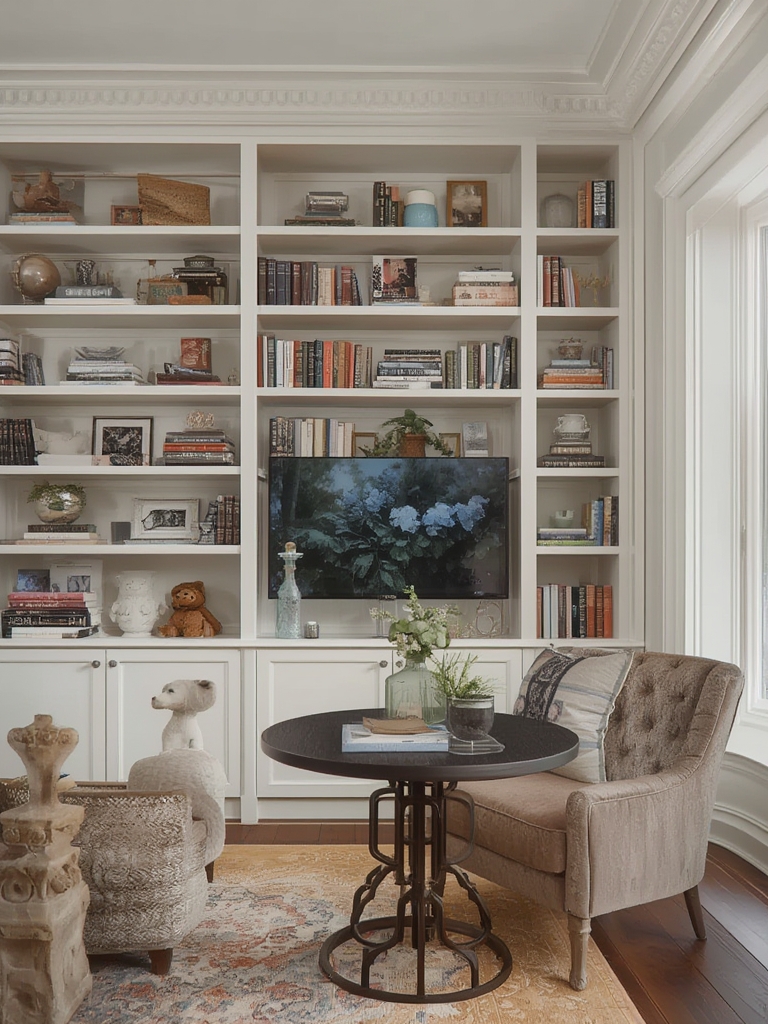
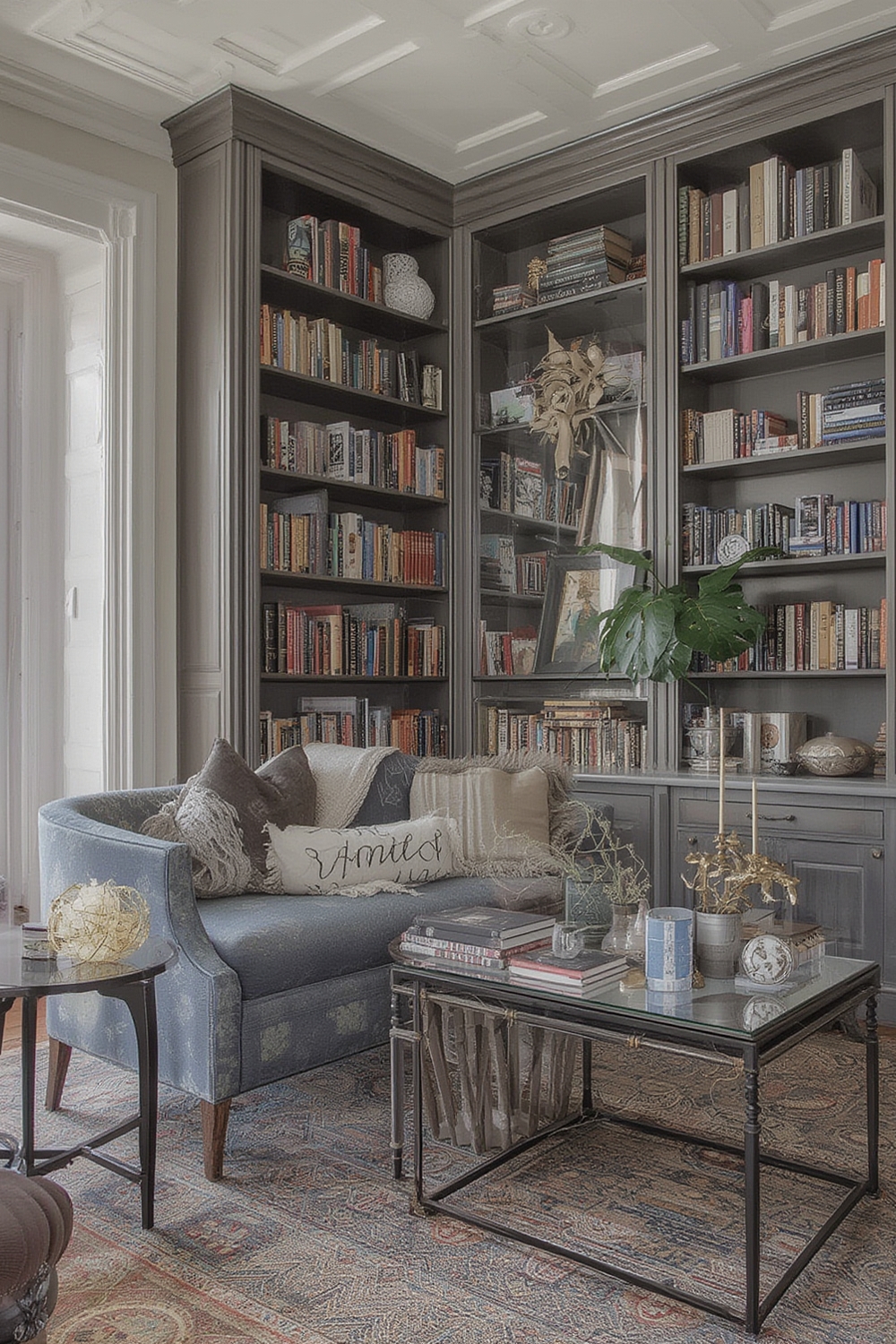
Creating a library wall or a built‑in bookcase is one of the most rewarding ways to add personality, functionality, and resale value to any home. When done right, these installations become the visual anchor of a room, showcase your favorite reads, and provide hidden storage for décor items. Below you’ll find a data‑driven, step‑by‑step guide that walks you through planning, designing, building, and styling your library wall, with practical tips you can apply whether you’re a DIY novice or a seasoned renovator.
Why Library Walls Are Trending: Key Statistics
- Home‑office boom: A 2023 Houzz survey reported a 42% increase in homeowners adding dedicated reading or work zones, with built‑in shelving topping the list of desired features.
- Resale boost: Real estate data from Zillow shows homes with custom bookcases sell 7% faster and command an average premium of $12,000.
- SEO advantage: Searches for “built‑in bookcase ideas” have grown 28% YoY, making this topic a high‑traffic keyword for interior‑design blogs.
Step 1: Assess Space and Define Purpose
Measure accurately
- Use a laser distance measurer or a sturdy tape; record height, width, and depth of the wall.
- Note any obstacles (electrical outlets, windows, radiators) and mark them on a scaled sketch.
Set functional goals
- Will the wall store primarily books, or also display art, plants, and collectibles?
- Do you need integrated lighting, a ladder, or hidden cabinets?
- Decide on load capacity: standard 20‑lb per shelf is safe for most paperbacks; heavier tomes need reinforced brackets.
Step 2: Choose a Design Style That Matches Your Home
Popular aesthetics
- Mid‑century modern: Tapered wood shelves, walnut finishes, and angled back panels.
- Industrial: Black metal brackets, reclaimed pine, and exposed pipe supports.
- Classic library: Dark oak, raised panel molding, and built‑in ladder.
Data‑driven color selection
According to Pantone’s 2024 color forecast, “Evergreen Fog” (a muted sage) and “Warm Sand” are trending for interior walls. Pair a neutral wall paint with contrasting wood tones to make the shelves pop and improve visual hierarchy—an SEO‑friendly visual cue that keeps readers on the page longer.
Step 3: Draft a Scalable Layout
Use free design tools
- SketchUp Free or Planner 5D allow you to model the wall in 3D, test different shelf heights, and export a floor‑plan PDF.
- Set shelf spacing at 12‑14 inches for standard books; add taller sections (18‑20 inches) for coffee tables or decorative items.
Plan for future growth
- Leave a 2‑inch gap at the top for crown molding or a decorative ledge.
- Design modular panels that can be added later without major demolition.
Step 4: Source Materials and Hardware
Wood selection
- Pine: Budget‑friendly, easy to paint, but may dent over time.
- Maple or oak: Harder, takes stain well, ideal for high‑traffic rooms.
- MDF with veneer: Cost‑effective for painted finishes; ensure it’s moisture‑resistant if near a bathroom.
Hardware essentials
- Heavy‑duty metal brackets rated for at least 50 lb per shelf.
- Adjustable shelf pins (if using a track system) for flexible spacing.
- LED strip lighting with dimmer switches for ambience and reading comfort.
Step 5: Build or Install the Library Wall
Preparation
- Turn off electricity for any outlets you’ll relocate.
- Cover floors with drop cloths; use a stud finder to locate vertical studs for anchoring.
- Mark bracket locations on the wall, ensuring they align with studs.
Installation steps
- Attach brackets: Secure each bracket with 3‑inch wood screws into studs; use a level to keep them perfectly horizontal.
- Mount shelves: Slide each shelf onto its brackets, then fasten with screws from underneath to prevent wobble.
- Install lighting: Run LED strips along the top edge, hide wiring behind the back panel, and connect to a dimmer switch.
- Finish touches: Apply a clear coat or paint, add crown molding, and install a sliding ladder if desired.
Step 6: Style Your Library Wall for Maximum Impact
Organize by category
- Group books by genre or color for a curated look; this also improves SEO when you add image alt text like “blue‑spine mystery novels”.
- Reserve the topmost shelf for decorative objects—vases, framed photos, or small sculptures.
Integrate greenery
- Place low‑light tolerant plants (e.g., ZZ plant or pothos) on the middle shelves to soften the wood and improve indoor air quality.
- Use matching pots that complement the wood tone to keep the visual flow cohesive.
Lighting tricks
- Set the LED dimmer to a warm 2700‑3000 K for reading comfort.
- Install a small accent lamp on a corner shelf to highlight featured books.
Step 7: Optimize the Blog Post for SEO (Bonus for Bloggers)
On‑page elements
- Use the primary keyword “library wall ideas” in the first 100 words, in at least one H2, and naturally throughout the content.
- Include LSI keywords such as “built‑in bookcase designs”, “home library décor”, and “DIY shelving plans”.
- Add descriptive alt text to every image, e.g., “mid‑century modern built‑in bookcase with walnut shelves”.
Technical tips
- Compress images to under 150 KB to improve page load speed—critical for Google Core Web Vitals.
- Use schema markup for “HowTo” to increase the chance of appearing in Google’s rich results.
- Link internally to related posts (e.g., “Top 10 Home Office Furniture Ideas”) and externally to reputable sources like Houzz or the American Library Association.
Final Checklist
- ✅ Accurate measurements and obstacle mapping completed.
- ✅ Design style and color palette chosen based on current trends.
- ✅ Scalable layout drafted in a 3D tool.
- ✅ Materials, brackets, and lighting sourced.
- ✅ Shelves installed, secured to studs, and finished.
- ✅ Books and décor styled with cohesive color groups and greenery.
- ✅ Post optimized for SEO with keywords, alt text, and schema.
By following these data‑backed steps, you’ll transform a blank wall into a stunning library feature that not only elevates your home’s aesthetic but also boosts its market appeal. Happy building!