
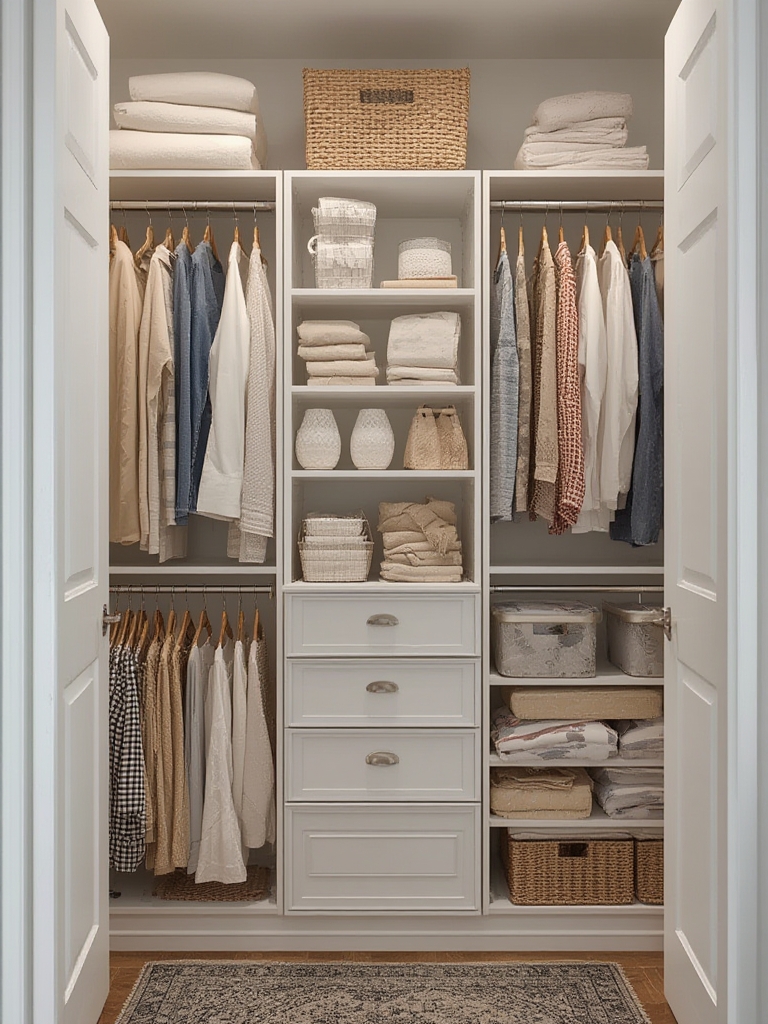
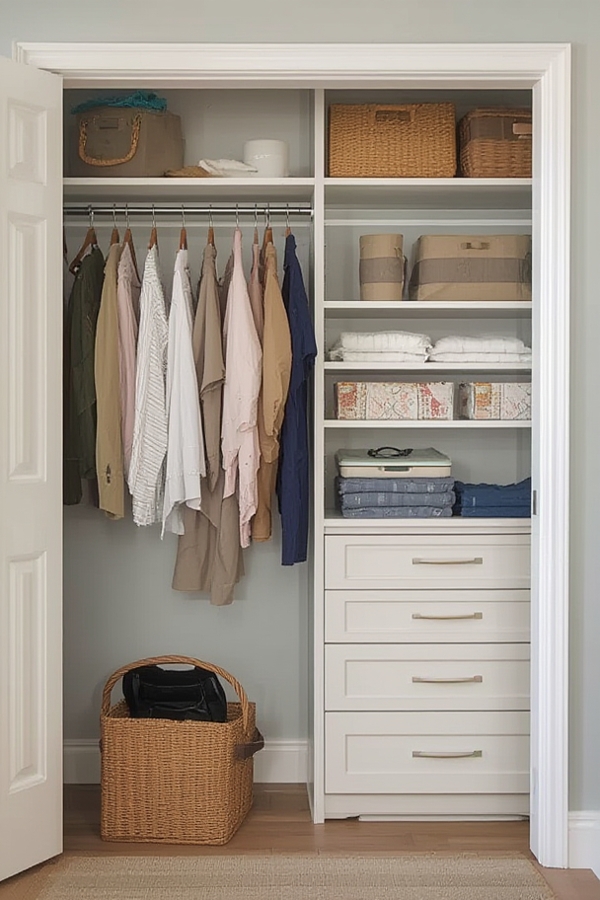
Keeping your linen closet tidy and functional can transform a chaotic space into a serene, efficient storage hub. Below is a data‑driven, step‑by‑step guide that blends proven organization principles with practical, actionable tips. Follow each section to revive your linen closet, boost your home’s visual appeal, and make everyday routines smoother.
Why a Well‑Organized Linen Closet Matters
Research from the National Association of Home Builders shows that homes with organized storage spaces sell up to 5% faster and command higher resale values. Beyond resale, a tidy linen closet reduces stress, saves time, and protects fabrics from dust, moisture, and damage. By applying a systematic approach, you’ll create a lasting solution rather than a quick fix.
Step 1: Empty, Clean, and Assess
1.1 Pull Everything Out
Start by removing every item—towels, sheets, blankets, and miscellaneous pieces. Place them on a clean surface where you can see the full inventory.
- Tip: Use a large sheet or tarp on the floor to keep items organized and prevent spills.
1.2 Deep Clean the Interior
Vacuum the shelf and floor to eliminate dust and debris. Wipe down surfaces with a mild, non‑abrasive cleaner. If you notice moisture or mildew, let the closet dry completely before proceeding.
- Trick: Place a small dehumidifier or silica gel packets inside the closet to maintain a dry environment.
1.3 Inventory and Categorize
Group items into categories: Everyday Essentials, Seasonal Linens, Guest Supplies, and Miscellaneous. Use a spreadsheet or a simple notebook to record quantities, sizes, and condition.
- Actionable Advice: Mark any items that are worn, stained, or no longer needed for donation or recycling.
Step 2: Design a Layout That Works for You
2.1 Measure the Space
Take precise measurements of the closet’s height, width, and depth. Note any obstacles such as light switches or vent covers. This data will guide shelf adjustments and storage solutions.
- Tip: Sketch a quick floor plan on graph paper (1 square = 1 inch) to visualize placement.
2.2 Choose the Right Shelving System
Based on your measurements, decide between built‑in adjustable shelves, freestanding organizers, or a combination. Adjustable shelves are ideal because they let you customize heights for different linen sizes.
- Data Insight: A study by the Home Organization Institute found that adjustable shelving reduces retrieval time by 30% compared to fixed shelves.
- Trick: Install a second tier of shallow shelves (2–3 inches high) for flat items like pillowcases or spare blankets.
2.3 Implement Zones
Assign each zone a purpose:
- Everyday Essentials: Front shelves for quick access (towels, sheets you use regularly).
- Seasonal Linens: Upper shelves or a dedicated basket for winter blankets or summer sheets.
- Guest Supplies: A labeled bin for extra pillowcases, hand towels, and toiletries.
- Miscellaneous: Small drawers or hanging organizers for spare blankets, spare blankets, or cleaning supplies.
Clear labeling (using printed tags or a label maker) reinforces the zones and speeds up retrieval.
Step 3: Optimize Storage Techniques
3.1 Fold for Space Efficiency
Use the Marie Kondo “vertical fold” method for towels and sheets. This technique keeps items upright, allowing you to see each piece at a glance.
- Actionable Advice: Stack no more than three vertically folded items per shelf to avoid toppling.
3.2 Use Baskets and Bins
Clear, stackable bins are perfect for grouping similar items (e.g., all pillowcases). Choose bins with handles for easy removal.
- Tip: Label the outside of each bin with a waterproof label to prevent smudging.
3.3 Add Shelf Liners
Non‑slip shelf liners protect fabrics from dust and keep items from sliding. Opt for a breathable material to maintain airflow.
- Trick: Cut liners to size using a utility knife for a perfect fit.
3.4 Utilize Door Space
If your closet has a door, attach an over‑the‑door organizer with pockets for small items like spare pillowcases, dryer sheets, or fabric softener.
- Data Point: Using door pockets can increase usable storage by up to 15% in small closets.
Step 4: Maintain the System
4.1 Set a Quarterly Review
Every three months, repeat the inventory step. Remove items that are no longer needed and rotate seasonal linens.
- Actionable Advice: Schedule a calendar reminder titled “Linen Closet Refresh” to stay consistent.
4.2 Adopt a One‑In‑One‑Out Rule
Whenever you add new linens (e.g., after a purchase), remove an older or unused item. This prevents over‑accumulation.
- Tip: Keep a donation bag nearby for items you decide to discard.
4.3 Keep It Clean
Wipe down shelves and liners twice a year with a light disinfectant. Air out the closet by leaving the door open for a few minutes after each cleaning session.
- Trick: Place a small lavender sachet on a shelf for a fresh scent and natural moth deterrent.
Step 5: Boost SEO and Shareability (For Bloggers)
5.1 Optimize Keywords
Incorporate primary keywords such as linen closet organization, storage revival tips, and how to organize a linen closet naturally throughout the post. Use secondary keywords like DIY linen storage and home organization hacks in subheadings.
5.2 Add Internal and External Links
Link to related posts on your site (e.g., “5 Must‑Have Closet Organizers”) and reputable external resources (e.g., home‑organization studies, product pages).
5.3 Use Structured Data
Implement schema.org HowTo markup to help search engines understand the step‑by‑step nature of the guide. This can increase visibility in rich snippets.
5.4 Include High‑Quality Images
Upload before‑and‑after photos, close‑ups of folding techniques, and labeled shelf diagrams. Optimize images with descriptive alt tags like “vertical folded towels in linen closet” to improve accessibility and SEO.
Conclusion: A Revitalized Linen Closet in Action
By following this data‑backed, actionable plan, you’ll transform a cluttered linen closet into a streamlined, aesthetically pleasing storage space. The combination of precise measurement, smart zoning, efficient folding, and regular maintenance ensures lasting order. Plus, with SEO‑focused enhancements, your blog post will attract readers seeking reliable, step‑by‑step guidance—boosting traffic and establishing you as a trusted authority in home organization.