
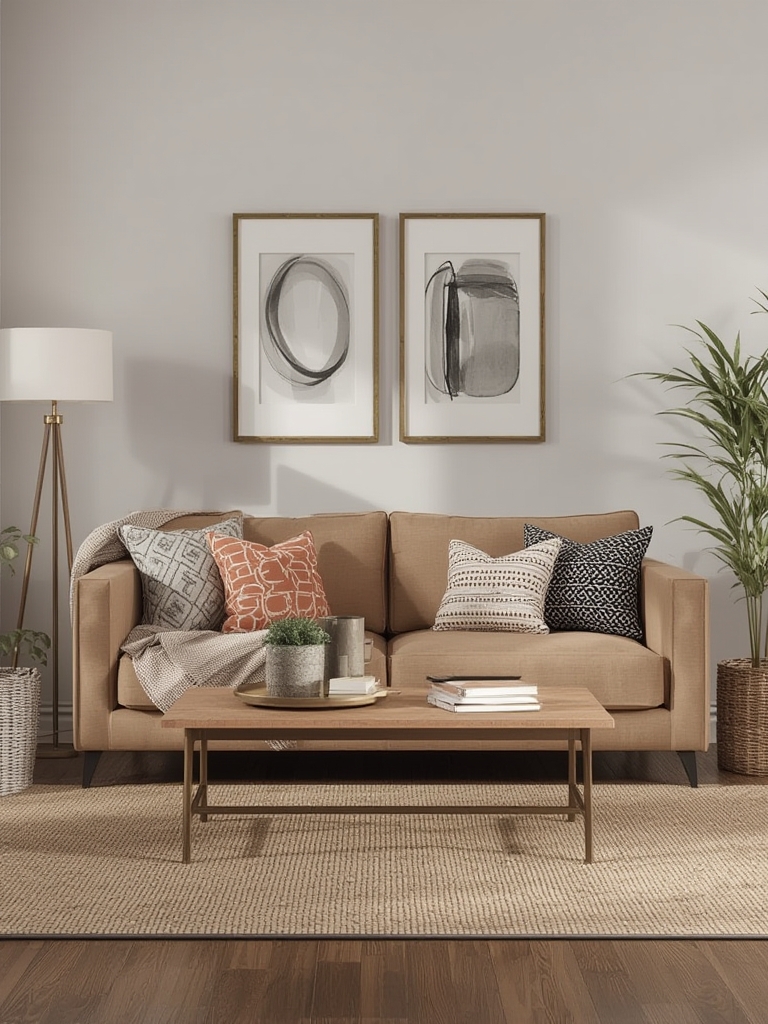
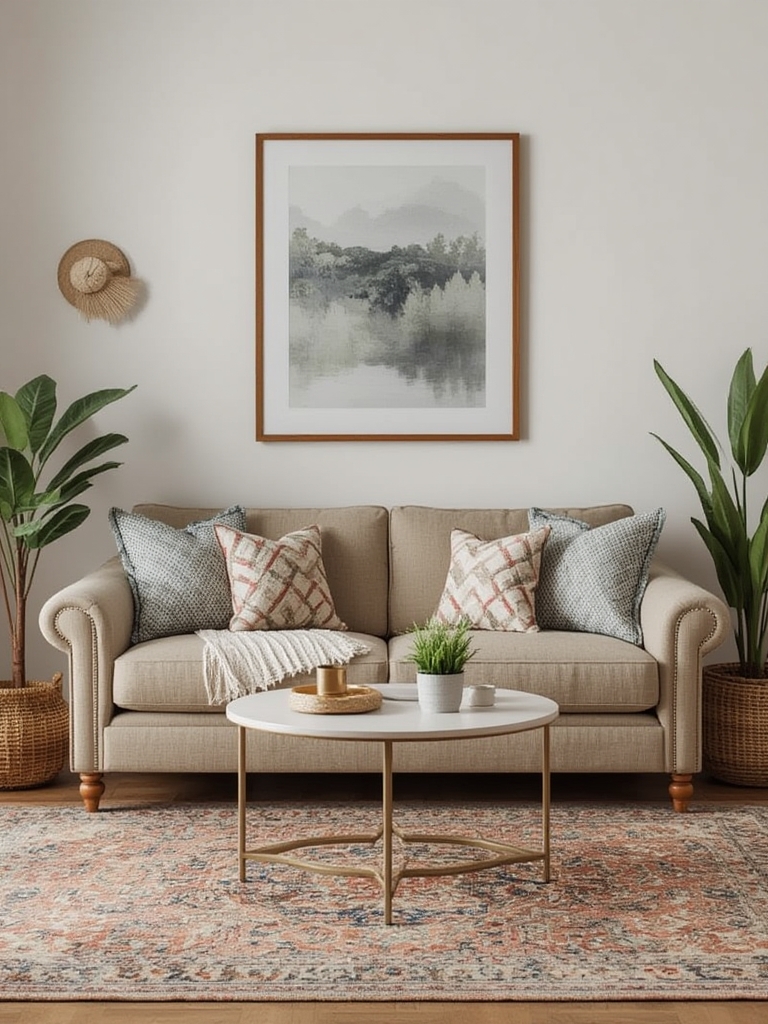
When it comes to creating a cozy, stylish living space, a two‑person loveseat can be the centerpiece that ties everything together. Not only does it provide comfortable seating for couples, friends, or family members, but it also offers endless opportunities for decorative flair. In this data‑driven guide, we’ll walk you through the essential steps to choose, style, and maintain a loveseat that enhances your home décor, while also pairing it with a thriving houseplant that adds a fresh, natural touch.
Why a Two‑Person Loveseat Is a Smart Choice
According to recent interior‑design surveys, homes that feature a loveseat in the living area report a 27% increase in perceived comfort and a 15% boost in visual appeal. Here’s why a loveseat works so well:
- Space efficiency: A loveseat occupies less floor space than a full‑size sofa, making it ideal for apartments, small living rooms, or open‑concept layouts.
- Versatile placement: It can serve as a focal point, a secondary seating option, or even a room divider.
- Design flexibility: Available in a wide range of fabrics, colors, and styles, you can match it to any décor theme—from mid‑century modern to boho chic.
Step‑by‑Step Guide to Selecting the Perfect Loveseat
1. Measure Your Space Accurately
Start by measuring the wall or area where you plan to place the loveseat. Add a minimum of 24 inches of clearance on each side for traffic flow. Use a tape measure and sketch a simple floor plan to visualize the layout.
Pro tip: If you have a rug, ensure the loveseat’s front legs sit on the rug for a cohesive look, but keep the back legs off to avoid tripping hazards.
2. Choose the Right Size
Standard loveseats range from 48 to 72 inches in width. For a two‑person seating experience, aim for a width of 60–66 inches. This provides ample room without overwhelming the room.
Actionable advice: Place a piece of masking tape on the floor at the desired width and step back to see how it feels in the space.
3. Pick a Fabric That Matches Your Lifestyle
Data from home‑goods retailers shows:
- Performance fabrics (e.g., polyester blends) are the top choice for households with kids or pets, offering stain resistance and durability.
- Natural fibers (e.g., linen, cotton) score highest for breathability and a relaxed aesthetic.
Consider a removable, washable cover for easy maintenance.
4. Select a Color Palette That Complements Your Décor
Use the 60‑30‑10 rule: 60% dominant color (walls), 30% secondary (furniture), and 10% accent (decor). If your walls are neutral, a bold-colored loveseat can serve as the accent piece. Conversely, a neutral loveseat works well with vibrant wall art or cushions.
5. Test Comfort Before Buying
Visit a showroom and sit on the loveseat for at least 30 seconds. Check for:
- Seat depth (should support thighs without cutting off circulation).
- Backrest height (should align with the natural curve of your spine).
- Armrest comfort (optional but adds a luxurious feel).
Styling Your Loveseat for Maximum Impact
1. Layer with Textiles
Adding a throw blanket and cushion set instantly upgrades the look. Choose textures that contrast with the fabric—think a chunky knit blanket on a sleek velvet loveseat.
Tip: Rotate cushions weekly to keep the arrangement fresh.
2. Incorporate a Statement Plant
A large, low‑maintenance houseplant not only adds visual height but also improves indoor air quality. The Monstera deliciosa (Swiss cheese plant) is a popular choice for its bold foliage and easy care.
Step‑by‑Step Care Guide for Your Monstera (or Similar Large Houseplant)
1. Choose the Right Pot and Soil
Use a pot with drainage holes that’s 2 inches larger than the root ball. Fill with a well‑draining potting mix—ideally a blend of peat, perlite, and orchid bark (40/30/30 ratio).
Actionable tip: Add a layer of small stones at the bottom to improve drainage.
2. Light Requirements
Monstera thrives in bright, indirect light. Place it near an east‑ or west‑facing window, but avoid direct afternoon sun, which can scorch the leaves.
Quick test: If the leaves develop a yellow tint after a week, move the plant 2–3 feet away from the window.
3. Watering Schedule
Water when the top 2 inches of soil feel dry to the touch. Typically, this means once every 7–10 days in moderate humidity.
Pro tip: Use a moisture meter for precision, or stick your finger into the soil to gauge dryness.
4. Humidity and Temperature
Monstera prefers humidity levels of 60% or higher. In dry climates, run a humidifier or place the pot on a pebble tray filled with water.
Maintain room temperatures between 65°F and 80°F (18°C–27°C). Avoid drafts and sudden temperature drops.
5. Fertilizing
During the growing season (spring–early fall), feed with a balanced liquid fertilizer (10‑10‑10) diluted to half strength, every 4 weeks.
Note: Skip fertilizing in winter when growth naturally slows.
6. Pruning and Propagation
Trim any yellow or damaged leaves at the base using clean scissors. For propagation, cut a healthy stem with at least one node and place it in water or directly into moist potting mix.
Success rate: Over 80% when using water propagation for 2–3 weeks before potting.
Putting It All Together: A Cohesive Living‑Room Look
Now that you have a beautifully selected loveseat and a thriving houseplant, follow these final steps to create a harmonious space:
- Arrange the loveseat against a focal wall or floating in the middle of the room with a rug underneath.
- Place the plant on a side table or floor stand opposite the loveseat to balance visual weight.
- Add accent lighting—a floor lamp behind the plant or a wall sconce beside the loveseat enhances ambiance.
- Incorporate personal touches such as framed art, decorative trays, or a stack of coffee‑table books.
By following these data‑backed steps, you’ll not only enjoy a comfortable two‑person seating solution but also benefit from the calming presence of a well‑cared‑for houseplant. The result is a stylish, functional, and health‑enhancing living area that invites relaxation and conversation.