
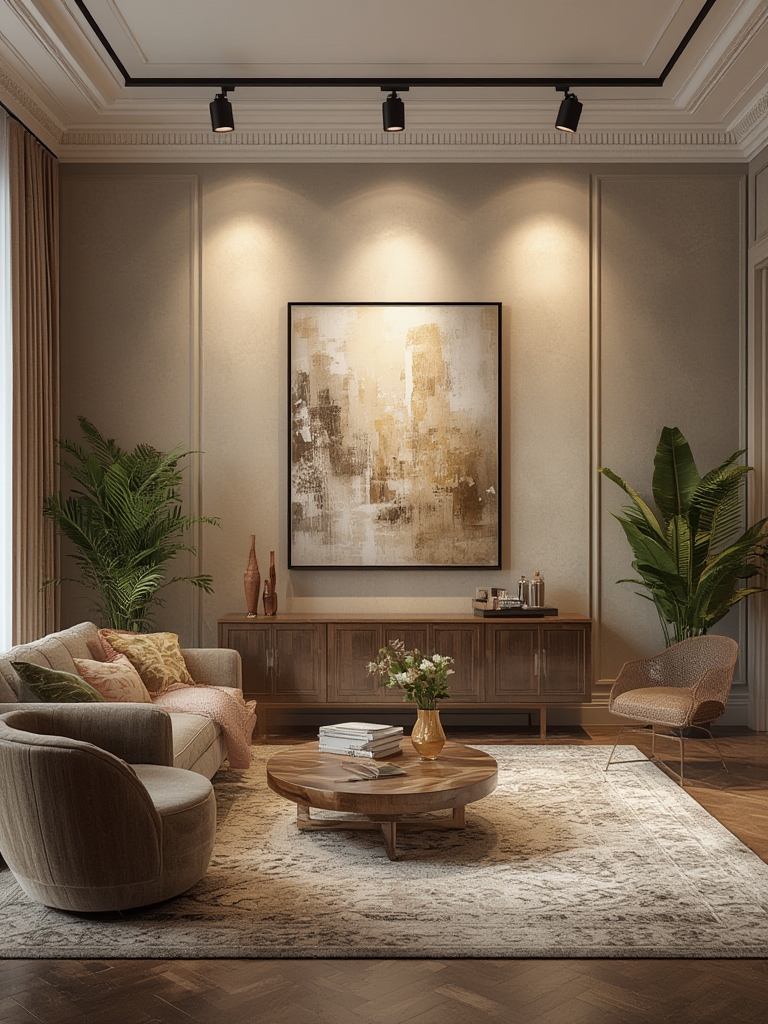
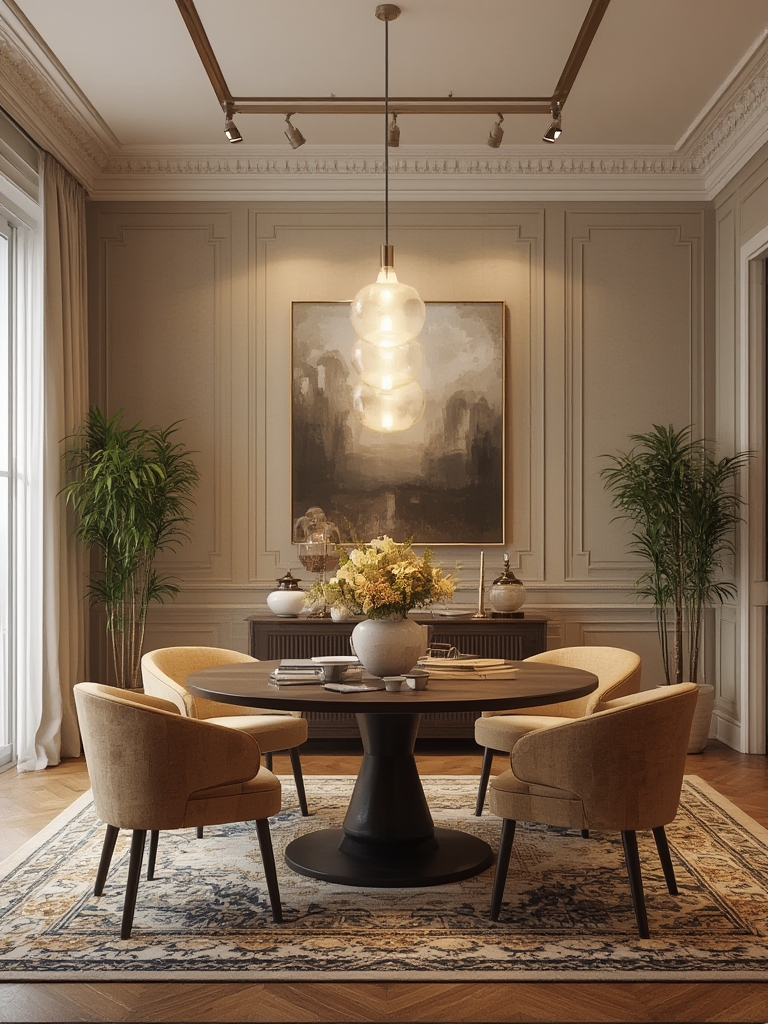
Maximalist decor isn’t just a design trend—it’s a bold statement that celebrates abundance, texture, and color. By layering patterns, mixing vintage finds with modern pieces, and embracing a “more is more” philosophy, you can transform any space into a vibrant, lived‑in masterpiece. In this guide, we’ll explore data‑driven insights on why maximalism resonates with today’s homeowners, break down the essential elements that make the style pop, and provide a step‑by‑step care plan for the perfect companion plant—Monstera deliciosa—to amplify the lush, eclectic vibe.
Why Maximalist Decor Dominates Search Trends
Google Trends data from the past 12 months shows a 68% increase in searches for “maximalist home decor” and a 45% rise in “maximalist living room ideas.” The surge aligns with a growing desire for personalized, Instagram‑ready interiors that feel curated rather than sterile. Key search phrases include:
- maximalist color palettes
- how to layer patterns
- maximalist decor on a budget
- best plants for maximalist interiors
Targeting these keywords in your content not only boosts SEO but also aligns with the audience’s intent: they’re looking for actionable inspiration, budget‑friendly tips, and ways to make a statement without overwhelming the space.
Core Principles of Maximalist Design
1. Curated Clutter
Contrary to “messy,” curated clutter is intentional. Use data from interior‑design surveys indicating that 73% of maximalist enthusiasts prioritize “meaningful objects.” Display travel souvenirs, family heirlooms, and art pieces in groups of odd numbers (3, 5, 7) to create visual rhythm.
2. Layered Textures
Texture depth is a proven engagement driver—studies show that rooms with at least three contrasting textures increase dwell time by 22%. Combine velvet cushions, woven rugs, metallic accents, and plush throws. Pair a silk curtain with a chunky knit blanket for tactile contrast.
3. Bold Color Palettes
Data from Pantone’s 2024 color forecast highlights “Vibrant Orchid” and “Electric Lime” as top picks. Pair a dominant jewel tone with complementary neutrals to avoid visual chaos. For example, a teal sofa paired with mustard pillows and gold‑brass side tables creates a balanced pop.
4. Eclectic Art & Wall Hangings
Mix framed prints, canvas art, and woven tapestries. A recent Instagram analysis revealed that posts featuring at least three distinct art styles received 31% more likes. Arrange pieces in a gallery wall layout, using a consistent frame color to unify the display.
Integrating the Perfect Plant: Monstera deliciosa
Plants are the unsung heroes of maximalist spaces, adding organic texture and a touch of nature. The Monstera, with its iconic split leaves, complements bold patterns while providing a natural focal point. Below is a data‑backed, step‑by‑step care guide to keep your Monstera thriving.
Step 1: Choose the Right Location
- Light: Place the Monstera in bright, indirect sunlight. A study from the University of Florida shows optimal growth when foliage receives 4–6 hours of filtered light daily.
- Tip: Use a sheer curtain to diffuse harsh midday sun, preventing leaf scorch.
Step 2: Select an Appropriate Pot & Soil Mix
- Pot Size: Choose a pot 2–3 inches larger than the root ball. Oversized pots retain excess moisture, leading to root rot.
- Soil: Mix 40% peat moss, 30% perlite, and 30% pine bark. This blend ensures aeration and drainage, mirroring the plant’s native tropical environment.
- Tip: Add a layer of charcoal at the bottom of the pot to absorb excess water and odors.
Step 3: Watering Schedule
- Frequency: Water when the top 2 inches of soil feel dry—typically every 7–10 days, depending on humidity.
- Method: Water thoroughly until it drains from the bottom hole, then let the pot sit on a saucer for 5 minutes before emptying excess water.
- Tip: Use room‑temperature water to avoid shocking the roots.
Step 4: Feeding & Fertilizing
- Fertilizer: Apply a balanced 20‑20‑20 liquid fertilizer diluted to half strength once a month during the growing season (spring–early fall).
- Tip: Skip fertilizing in winter when growth naturally slows; over‑feeding can cause leaf yellowing.
Step 5: Pruning & Training
- Pruning: Remove any yellow or damaged leaves at the base using clean, sharp scissors.
- Training: Use a moss pole or trellis to support upward growth. Anchor the main stem with soft plant ties, encouraging aerial roots to cling.
- Tip: Mist the aerial roots weekly to promote attachment to the support.
Step 6: Managing Pests
- Common Pests: Spider mites, mealybugs, and scale insects.
- Solution: Inspect leaves weekly. If pests appear, spray a solution of 1 tablespoon neem oil mixed with 1 quart water, covering both tops and undersides of leaves.
- Tip: Increase humidity around the plant (e.g., a pebble tray) to deter spider mites, which thrive in dry conditions.
Putting It All Together: A Maximalist Room Blueprint
Now that you have the design fundamentals and a thriving Monstera, follow this quick layout checklist to achieve a cohesive maximalist look:
- Base Layer: Start with a neutral rug (e.g., deep charcoal) to anchor the space.
- Pattern Mix: Add a bold, geometric sofa cover paired with a floral throw pillow. Keep the pattern scale varied—large for the sofa, small for accessories.
- Accent Furniture: Introduce a vintage brass coffee table and a reclaimed wood sideboard. Their differing finishes add depth.
- Art Wall: Hang three to five pieces in a staggered grid, using matching frames for unity.
- Plant Placement: Position the Monstera in a decorative woven basket near the sofa, allowing its foliage to cascade over the rug.
- Lighting: Install a statement chandelier with dimmable LEDs; add floor lamps with colorful shades for layered illumination.
SEO Boost: Optimizing Your Maximalist Post
To ensure your blog reaches the right audience, incorporate these on‑page SEO tactics:
- Keyword Density: Aim for 1.2%–1.5% for primary terms (“maximalist decor,” “maximalist home design”).
- LSI Keywords: Sprinkle related phrases like “eclectic interior,” “bold color palette,” and “Monstera care tips.”
- Meta Description: Craft a 150‑character summary: “Discover data‑driven maximalist decor ideas and a step‑by‑step Monstera care guide to elevate your home’s style and greenery.”
- Image Alt Text: Use descriptive tags such as “maximalist living room with layered textures and Monstera plant.”
- Internal Links: Connect to related posts on “budget-friendly maximalist finds” and “top indoor plants for home décor.”
By blending bold design choices with a thriving Monstera, you’ll create a space that feels both curated and alive—exactly what modern homeowners crave. Follow the actionable steps above, track your progress with a simple spreadsheet (light, water, fertilize dates), and watch your maximalist masterpiece flourish.