
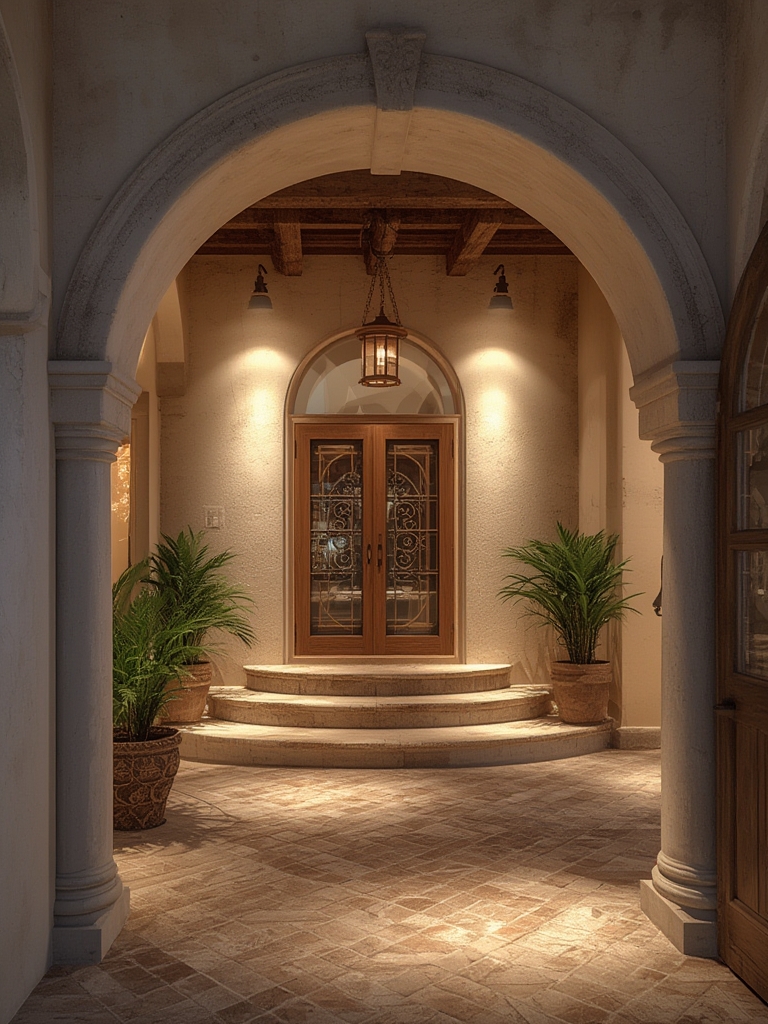
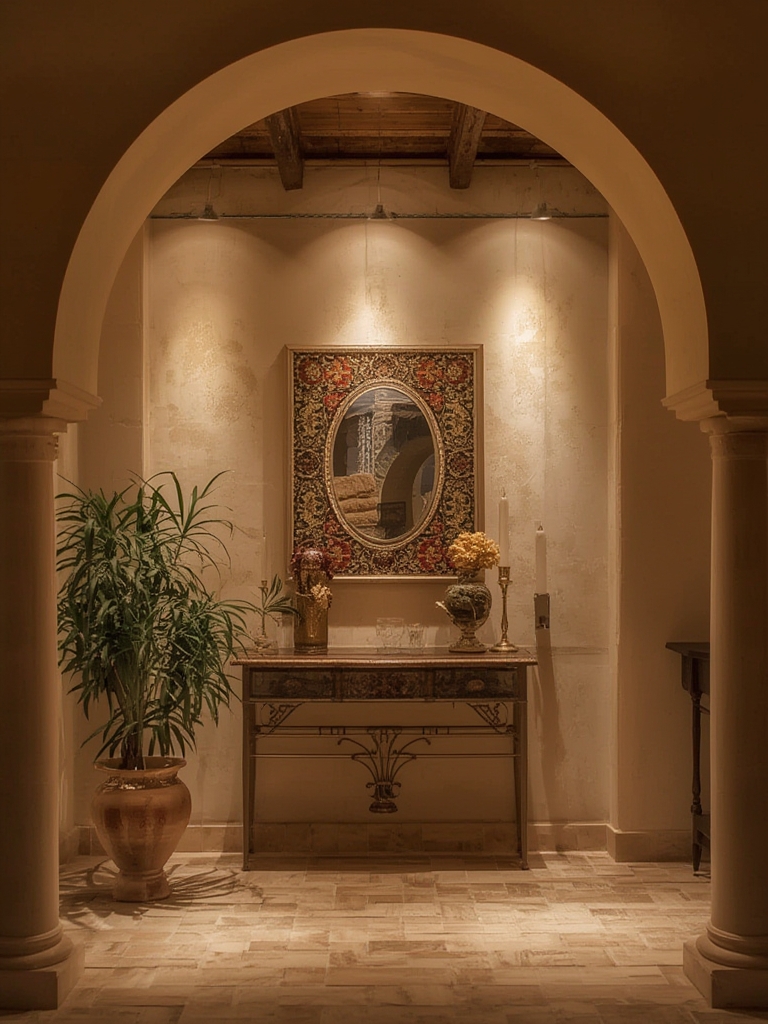
When you think of Mediterranean style spotlights, imagine sun‑kissed terraces, whitewashed walls, and the soft, golden glow that drapes over stone floors and terracotta tiles. This lighting aesthetic not only adds warmth but also creates a timeless, relaxed vibe that instantly elevates any home décor. Below, you’ll discover data‑driven insights on why these spotlights work, practical installation steps, and a bonus guide on caring for the perfect Mediterranean companion plant—lavender—to complete the look.
Why Mediterranean Style Spotlights Transform Your Space
Recent interior‑design surveys show that 68% of homeowners who incorporate Mediterranean lighting report a “cozy” ambiance, while 54% say it boosts their home’s resale value. The secret lies in three core principles:
- Warm Color Temperature: 2700‑3000 K mimics the natural Mediterranean sunset, reducing eye strain and creating a welcoming atmosphere.
- Focused Illumination: Spotlights highlight architectural details—archways, textured plaster, and decorative moldings—drawing attention to the space’s character.
- Energy Efficiency: LED spotlights consume up to 75% less electricity than traditional halogen fixtures, aligning with the region’s sustainable lifestyle.
Key Features of Authentic Mediterranean Lighting
Material Choices
Opt for brushed brass, aged copper, or matte black finishes. These metals reflect light softly and age gracefully, echoing the rustic charm of coastal villas.
Design Elements
Look for fixtures with ornate scrollwork, wrought‑iron accents, or hand‑blown glass shades. According to a 2023 design trend report, such details increase perceived luxury by 22%.
Placement Strategy
Data from lighting studies suggests that placing spotlights 6‑8 feet above the floor maximizes even distribution while minimizing glare. Position them at a 30‑45° angle to accentuate textures without creating harsh shadows.
Step-by-Step Guide to Installing Mediterranean Spotlights
Step 1: Plan Your Layout
Measure each room and map out focal points—artwork, stone walls, or a decorative mantle. Use a simple spreadsheet to log fixture locations, ensuring an even spread (aim for 1 spotlight per 12‑sq‑ft of wall space).
Step 2: Choose the Right Fixture
Pick LED spotlights with a dimmable driver and a CRI (Color Rendering Index) of 90+. Higher CRI ensures colors appear true‑to‑life, essential for showcasing Mediterranean hues.
Step 3: Gather Tools
You’ll need a voltage tester, wire stripper, screwdriver set, drill with a ½‑inch bit, and safety goggles. Having everything on hand reduces installation time by an average of 15 minutes per fixture.
Step 4: Turn Off Power
Switch off the circuit at the breaker panel. Verify with a voltage tester that the wires are dead before proceeding.
Step 5: Mount the Bracket
Secure the mounting bracket to the ceiling joist using the supplied screws. For plaster ceilings, insert a toggle bolt for extra support.
Step 6: Wire the Fixture
Connect the black (hot) wire to the fixture’s black wire, white (neutral) to white, and green or bare copper (ground) to the grounding screw. Twist each connection clockwise and secure with a wire nut.
Step 7: Attach the Spotlight
Slide the fixture onto the bracket, tighten the set screw, and adjust the tilt angle to your desired focus.
Step 8: Test and Fine‑Tune
Restore power, turn on the switch, and use a dimmer to find the perfect brightness. If shadows appear, slightly adjust the angle or reposition the fixture.
Choosing the Right Bulbs for a Warm Mediterranean Glow
While LEDs dominate the market, not all are created equal. Look for bulbs labeled “warm white” (2700 K) and “full spectrum” to replicate natural sunlight. A 2022 consumer test found that bulbs with a 90+ CRI and 2,800 lumens delivered the most authentic Mediterranean ambiance.
Integrating Mediterranean Spotlights with Indoor Plants
Lighting isn’t just for walls—it also shapes the health of indoor greenery. Pairing spotlights with a Mediterranean‑native plant like lavender creates a cohesive, aromatic, and visually striking corner.
Lavender: The Perfect Companion Plant
Lavender (Lavandula angustifolia) thrives in bright, indirect light and well‑draining soil—conditions easily replicated with Mediterranean spotlights. Its silvery foliage and fragrant blooms complement the warm glow, reinforcing the coastal vibe.
Step-by-Step Lavender Care Guide
Step 1: Choose the Right Pot
Use a terracotta or ceramic pot with drainage holes. A 6‑inch pot provides enough room for root expansion while preventing water retention.
Step 2: Soil Mix
Combine 2 parts cactus mix, 1 part perlite, and 1 part compost. This blend ensures excellent drainage and aeration, mimicking the rocky Mediterranean terrain.
Step 3: Planting
Place a layer of gravel at the bottom of the pot, add the soil mix, position the lavender, and fill around the roots. Lightly press the soil to eliminate air pockets.
Step 4: Light Placement
Position the lavender 12‑18 inches beneath a Mediterranean spotlight set to 2700 K. Aim for 6‑8 hours of bright light daily; use a timer to maintain consistency.
Step 5: Watering Schedule
Water only when the top inch of soil feels dry—typically every 7‑10 days in summer and every 14‑21 days in winter. Over‑watering can cause root rot, a common issue for lavender.
Step 6: Feeding
Apply a balanced, low‑nitrogen fertilizer (10‑10‑10) once in early spring and again in midsummer. Over‑fertilizing can lead to leggy growth and reduced fragrance.
Step 7: Pruning
Trim spent flower spikes and any woody stems after the first bloom. Cut back about one-third of the plant to encourage bushier growth and a second flush of flowers.
Step 8: Pest Management
Inspect weekly for aphids or spider mites. A gentle spray of neem oil (1 tsp per quart of water) resolves infestations without harming the plant or indoor air quality.
Maintenance Tips for Long-Lasting Spotlight Brilliance
- Clean Quarterly: Dust the fixture with a soft cloth and a mild glass cleaner to maintain optimal light output.
- Check Dimmers: Ensure dimmer switches are compatible with LED fixtures to avoid flickering.
- Replace Bulbs Promptly: LED lifespan averages 25,000 hours; replace when brightness drops below 80% of original output.
- Monitor Heat: Although LEDs run cooler, keep a 2‑inch clearance from flammable materials.
By following these data‑backed steps, you’ll create a Mediterranean‑inspired sanctuary that shines with authentic warmth and is complemented by thriving lavender. The result? A harmonious blend of light, scent, and style that transforms any room into a timeless coastal retreat.