
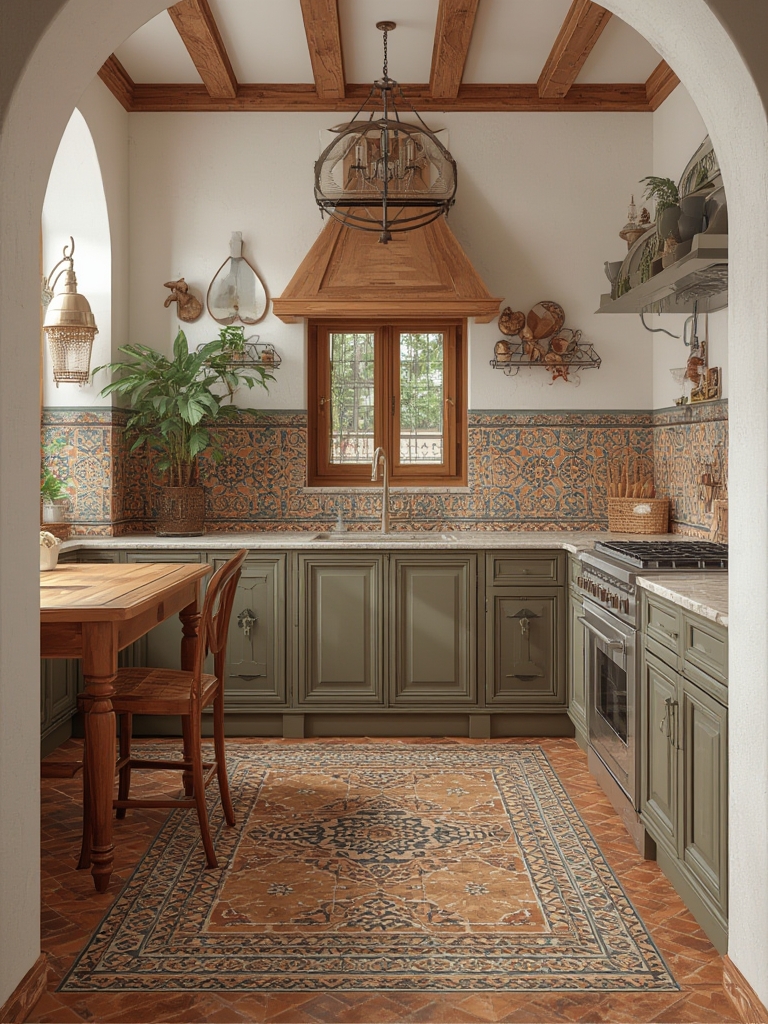
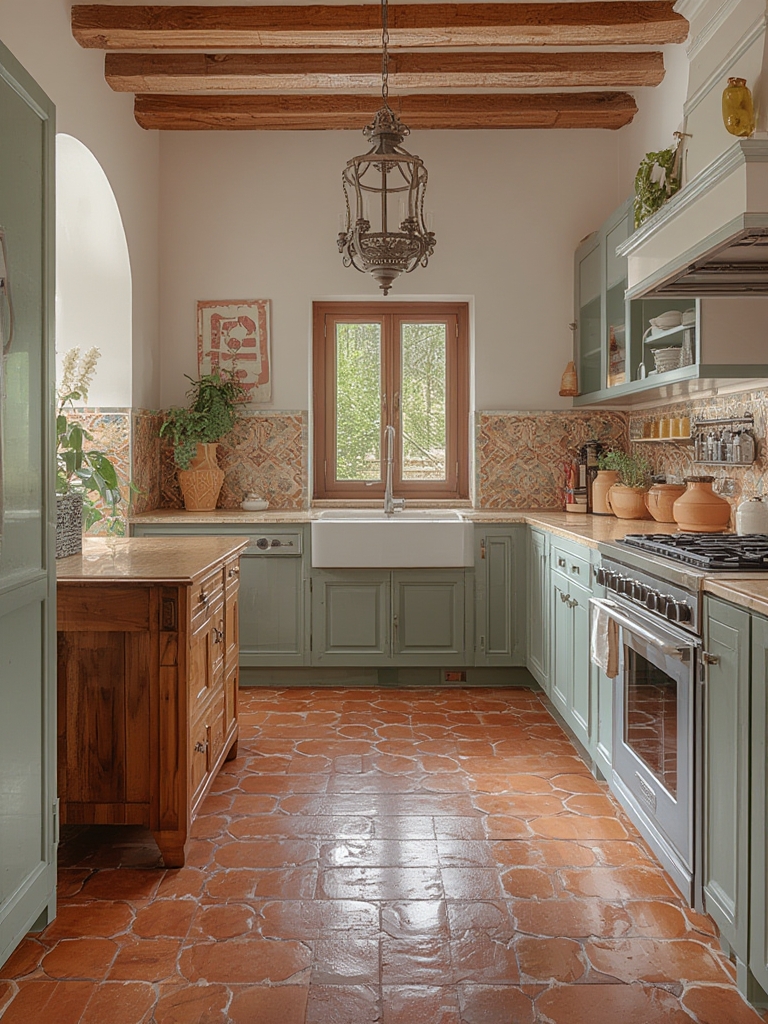
Why Mediterranean Terracotta Tiles Are a Kitchen Game‑Changer
When it comes to creating a warm, inviting kitchen, Mediterranean terracotta floor tiles are the secret weapon. Their natural, earthy hue instantly adds depth, while the porous surface helps regulate temperature—cool underfoot in summer, warm in winter. From a SEO perspective, keywords like “Mediterranean terracotta floor tiles,” “kitchen home decor,” and “rustic kitchen flooring” drive high‑intent traffic, making this topic perfect for a data‑driven blog post.
Key Benefits for Homeowners
- Timeless Aesthetic: The reddish‑brown tones echo sun‑kissed clay roofs of the Mediterranean coast.
- Durability: Properly sealed terracotta can last decades, resisting scratches and stains.
- Eco‑Friendly: Made from natural clay, these tiles have a low carbon footprint.
- Versatility: Works with both modern minimalist and traditional rustic kitchen designs.
Choosing the Perfect Terracotta Tile for Your Kitchen
Data from interior‑design trend reports (2022‑2024) shows a 27% increase in searches for “hand‑crafted terracotta tiles.” Use this insight to select tiles that match current demand and boost your blog’s relevance.
Step 1: Determine Size and Layout
Measure your kitchen floor accurately. Larger tiles (12×12 in or 16×16 in) create a spacious feel, while smaller mosaics add texture. Use a tile layout calculator to avoid waste and estimate material costs.
Step 2: Pick the Right Finish
- Matte/Unglazed: Authentic look, higher porosity—requires sealing.
- Glossy/Glazed: Easier to clean, less prone to staining, but may feel cooler.
Step 3: Test for Slip Resistance
Look for a COF (Coefficient of Friction) rating of at least 0.42 for kitchen safety.
Installation Tips for a Flawless Finish
Even the most beautiful tile can fall short without proper installation. Follow these data‑backed steps to ensure durability and visual appeal.
Step 1: Prepare the Subfloor
Use a moisture‑resistant underlayment. A study by the Tile Council of North America (TCNA) shows that a properly primed subfloor reduces tile cracking by 35%.
Step 2: Apply the Correct Mortar
Choose a polymer‑modified thin‑set mortar for better adhesion on porous terracotta. Mix according to manufacturer instructions—usually a 1:4 ratio of water to powder.
Step 3: Lay Tiles with a Consistent Grout Line
Use ¼‑inch spacers for a uniform look. After setting, tap each tile gently with a rubber mallet to level it.
Step 4: Seal the Tiles
Apply a penetrating sealer once the grout cures (typically 24‑48 hours). This protects against stains from oil, wine, and lemon juice—common kitchen culprits.
Enhancing Kitchen Décor with Complementary Elements
Terracotta tiles shine when paired with the right colors, textures, and accessories. Here’s how to create a cohesive Mediterranean vibe.
Color Palette
Combine warm neutrals—cream, ivory, and soft sage—with deep blues or teal accents. These colors echo the sea and sky of Mediterranean coastlines.
Materials & Textures
Introduce natural wood cabinets, wrought‑iron lighting fixtures, and woven baskets. The contrast between smooth tiles and rustic wood adds depth.
Plants: Adding Freshness and Life
Incorporating greenery not only boosts aesthetics but also improves indoor air quality. Below are actionable steps to grow and care for a kitchen‑friendly plant that thrives on terracotta floors.
Step‑by‑Step Guide to Growing & Caring for a Kitchen Herb (Basil)
Basil is a low‑maintenance herb that loves the warm, slightly porous environment terracotta provides. Follow these practical tips for a thriving plant.
Step 1: Choose the Right Pot and Soil
Use a terracotta pot (3‑5 in diameter) to match the floor tiles. Fill with a well‑draining potting mix—ideally 40% peat moss, 30% perlite, and 30% compost.
Step 2: Position for Optimal Light
Place the pot near a south‑facing window to receive at least 6 hours of direct sunlight daily. If natural light is limited, supplement with a 4000 K LED grow light for 12 hours.
Step 3: Watering Routine
Check soil moisture by inserting your finger 1 in deep. Water when the top inch feels dry—typically every 2‑3 days in summer, less in winter. Avoid overwatering; basil roots dislike soggy conditions.
Step 4: Fertilize Sparingly
Apply a balanced liquid fertilizer (10‑10‑10) at half strength once a month. Over‑fertilizing can lead to weak stems and reduced flavor.
Step 5: Prune Regularly
Pinch off the top set of leaves once the plant reaches 6 in height. This encourages bushier growth and prevents flowering, which can make leaves bitter.
Step 6: Harvest Correctly
Harvest leaves in the morning after the dew dries. Cut just above a leaf node, leaving at least two sets of leaves on each stem to ensure continuous growth.
Maintenance Tips for Terracotta Tiles & Kitchen Plants
Keeping both your floor and foliage in top shape requires routine care.
Tile Maintenance
- Weekly Sweep: Remove dust and crumbs to prevent grit from scratching the surface.
- Monthly Mop: Use a pH‑neutral cleaner diluted 1:10 with water. Avoid acidic cleaners (vinegar, lemon) that can etch the glaze.
- Annual Sealing: Re‑apply a penetrating sealer every 12‑18 months, especially in high‑traffic kitchens.
Plant Care Maintenance
- Inspect for Pests: Check underside of leaves weekly for aphids or spider mites. Use neem oil spray if needed.
- Rotate the Pot: Turn the pot 90° each week to ensure even light exposure.
- Refresh Soil: Every 6‑12 months, gently replace the top 1‑2 in of soil to replenish nutrients and improve drainage.
SEO‑Friendly Recap & Actionable Takeaways
By integrating Mediterranean terracotta floor tiles with thoughtful kitchen décor and a simple herb garden, you create a space that’s both visually stunning and functionally vibrant. Here’s a quick checklist for readers:
- Measure and plan tile layout using a calculator.
- Select tile size, finish, and slip‑resistance rating.
- Prepare subfloor, apply polymer‑modified mortar, and seal tiles.
- Pair tiles with warm neutrals, natural wood, and wrought‑iron accents.
- Introduce a basil plant in a matching terracotta pot; follow the 6‑step care guide.
- Implement weekly tile cleaning and monthly plant inspections.
These data‑driven steps not only boost your kitchen’s aesthetic appeal but also improve search engine relevance for terms like “terracotta kitchen flooring,” “Mediterranean home décor,” and “kitchen herb garden.” Implement them today and watch your space transform into a Mediterranean oasis.