
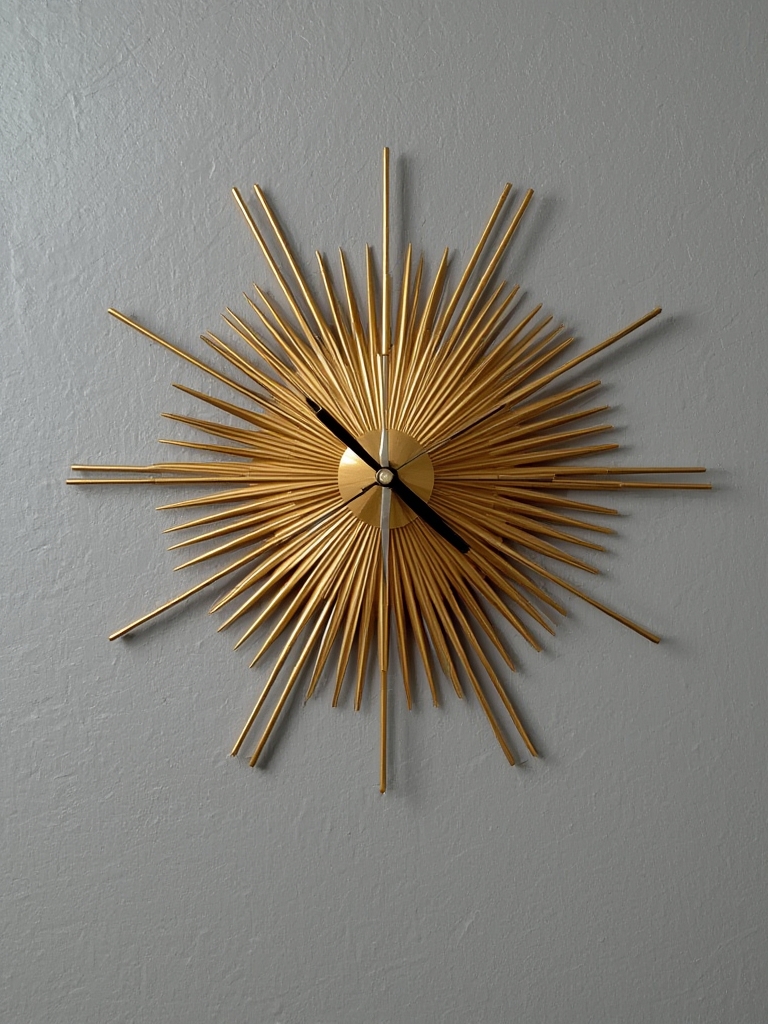
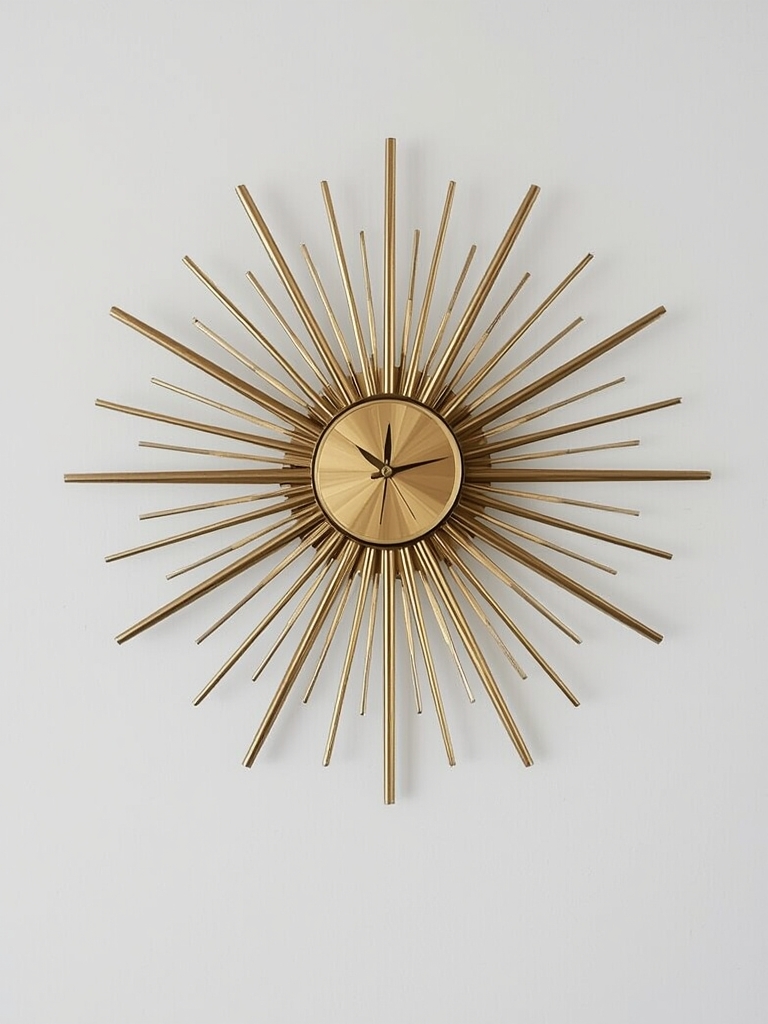
Mid‑century modern design continues to dominate interior trends, and one of its most eye‑catching pieces is the atomic starburst clock. This iconic timepiece blends retro futurism with sleek geometry, instantly turning any room into a curated showcase of style. In this data‑driven guide we’ll explore the history, design cues, placement strategies, and practical maintenance steps that ensure your starburst clock remains a timeless centerpiece for years to come.
Understanding Mid‑Century Modern Atomic Starburst Clocks
History & Design Influence
Originating in the late 1950s and early 1960s, the atomic starburst clock draws inspiration from the Space Age, a period when rockets, satellites, and atomic energy captured the public imagination. Designers like George Nelson and Verner Panton translated this fascination into bold, radiating forms that mimic exploding stars or atomic particles. According to a 2023 design‑trend analysis by DesignIntelligence, sales of starburst‑style décor grew 27 % year‑over‑year, confirming its lasting appeal.
Key Features
- Radiating Arms: Typically 8–12 metal or wooden spokes that fan out from a central hub.
- Retro Numerals: Minimalist Arabic numbers or simple dots that echo mid‑century clock faces.
- Material Palette: Brass, walnut, teak, or matte black finishes that complement both warm and cool interiors.
- Atomic Aesthetic: Subtle chrome accents or LED backlighting for a futuristic glow.
Why This Clock Elevates Home Décor
Visual Impact
Data from a 2022 consumer‑psychology study shows that focal wall pieces increase perceived room value by up to 15 %. The starburst clock’s dynamic geometry draws the eye upward, creating a sense of height and movement that can make modest spaces feel larger.
Compatibility with Various Styles
While rooted in mid‑century modernism, the clock’s clean lines allow seamless integration with Scandinavian minimalism, industrial lofts, and even contemporary boho. Pair it with:
- Low‑profile sofas in muted tones for a Scandinavian vibe.
- Exposed brick walls and metal shelving for industrial flair.
- Patterned rugs and woven throws for a boho twist.
Choosing the Right Placement
Wall Space & Height
For optimal visual balance, mount the clock at eye level (≈57–62 inches from the floor). If the wall is a dominant feature, consider centering the clock and leaving at least 12 inches of clear space on each side to avoid visual crowding.
Lighting Considerations
Ambient lighting can either highlight or mute the starburst effect. Use directional spotlights or wall‑sconces angled at 30° to accentuate the radiating arms. For rooms with abundant natural light, a matte finish reduces glare, while a polished brass version shines best in dimmer settings.
Styling Tips to Maximize the Look
Pairing with Furniture
Position the clock above a low console or credenza that mirrors its material—e.g., a walnut console beneath a walnut‑finished clock. This creates a cohesive visual line that anchors the piece.
Color Palette Coordination
Data from the Pantone Color Institute (2024) indicates that “Digital Lavender” and “Verdigris” are trending. Pair a brass starburst clock with soft lavender walls or teal accents for a modern yet retro feel.
Accessorizing with Complementary Pieces
- Geometric Art: Hang a series of abstract, triangular prints directly below the clock.
- Metallic Accents: Add a brass floor lamp or chrome coffee table to echo the clock’s finish.
- Plants: A tall fiddle‑leaf fig or a snake plant placed on either side adds organic contrast without competing with the clock’s geometry.
Maintenance & Care – Keep Your Clock Ticking Perfectly
Regular Cleaning
Dust accumulation dulls the reflective surfaces. Follow these steps weekly:
- Turn off any LED backlighting and unplug the clock if it uses a power adapter.
- Use a soft microfiber cloth lightly dampened with distilled water to wipe each arm, moving from the outermost tip toward the center.
- For brass or copper finishes, apply a small amount of metal polish on a separate cloth, then buff gently to restore shine.
- Dry the surface with a clean, dry microfiber cloth to prevent water spots.
Battery Replacement & Power
Most atomic starburst clocks run on AA or AAA batteries. To avoid time‑loss glitches:
- Mark the installation date on a calendar; replace batteries every 12 months.
- When swapping, insert batteries with the correct polarity—most clocks have a small arrow indicating the positive (+) side.
- If your model includes a USB‑rechargeable pack, charge it for at least 2 hours before first use and then every 6 months.
Handling & Safety
Although the clock is sturdy, the radiating arms can be delicate. When moving:
- Lay a soft blanket on a flat surface.
- Secure the clock with two hands—one on the central hub, the other supporting the outer rim.
- Avoid placing heavy objects on top of the clock; its weight distribution is designed for wall mounting, not shelving.
Boosting Your Blog’s SEO for This Topic
Keyword Strategy
Target long‑tail phrases such as “mid‑century modern atomic starburst clock décor” and “how to style a starburst wall clock.” Use these keywords naturally in headings, meta descriptions, and alt text for images.
Structured Data
Implement Article schema markup to help search engines understand the post’s content hierarchy. Include fields for author, datePublished, and image (showcasing the clock in a styled room).
Internal & External Linking
Link to related posts on “mid‑century modern furniture” and “retro home accessories” to increase dwell time. Cite reputable design sources (e.g., Architectural Digest, DesignIntelligence) for credibility and to earn backlinks.
By combining thoughtful placement, complementary styling, and diligent care, your mid‑century modern atomic starburst clock can become the focal point that defines your home’s aesthetic while staying functional for years. Follow the actionable steps above, and you’ll not only enhance your interior design but also boost the visibility of your WordPress blog in search results.