
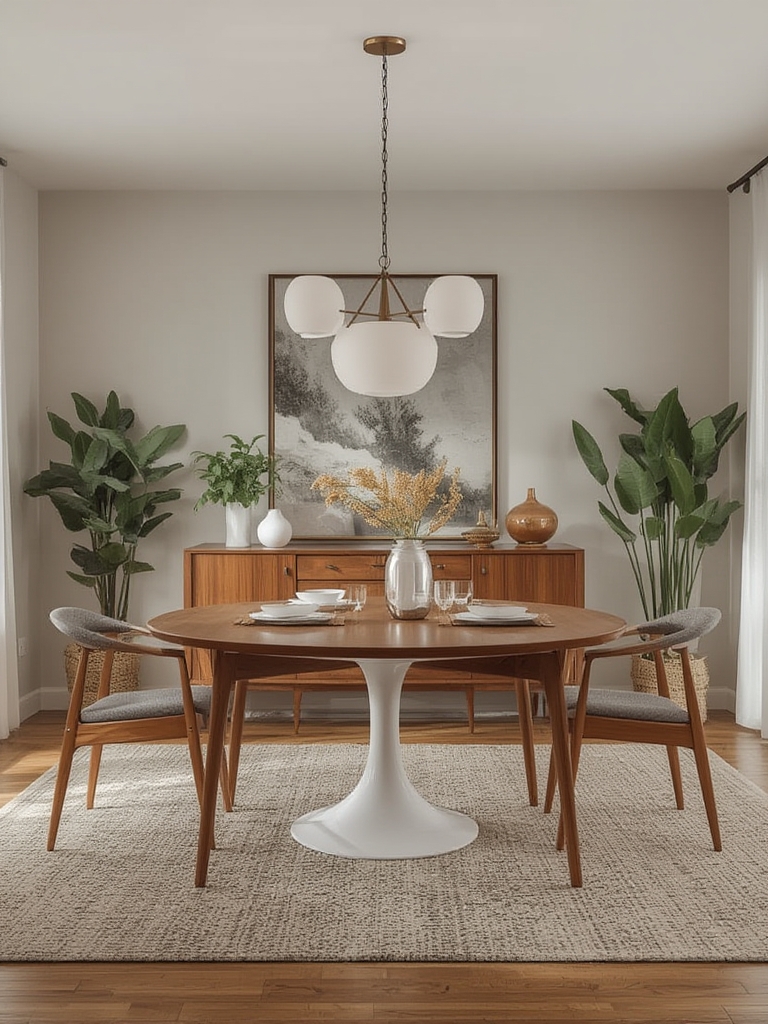
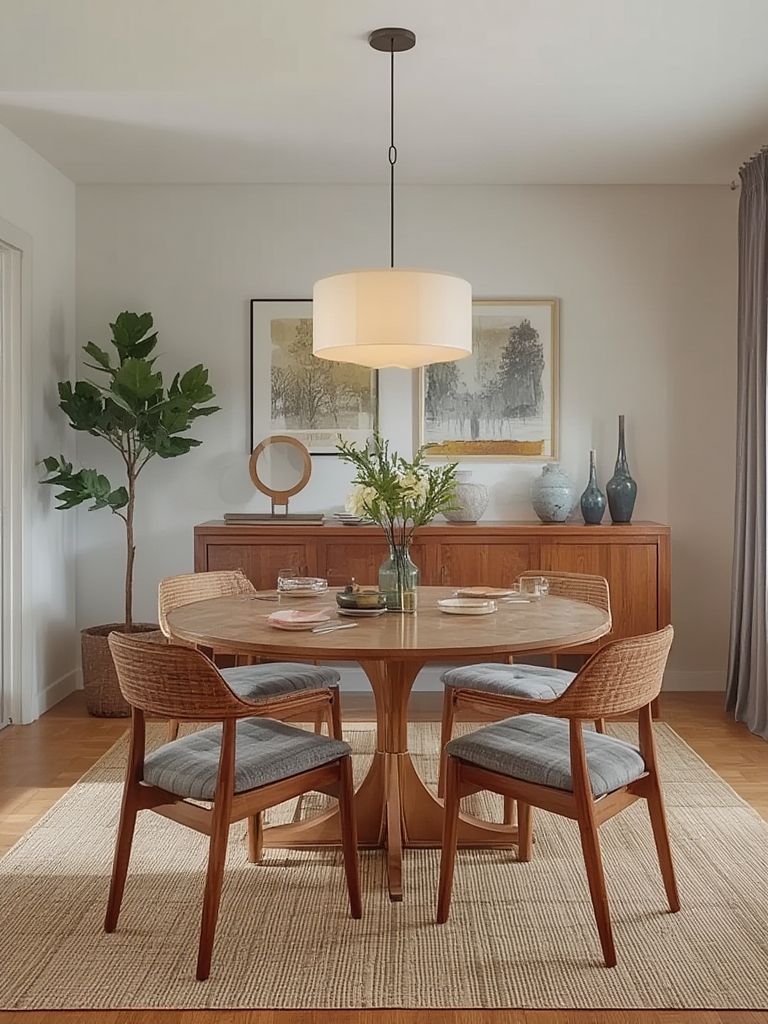
Mid‑century modern dining rooms continue to captivate homeowners with their clean lines, organic shapes, and timeless elegance. By blending iconic furniture, a muted color palette, and the right greenery, you can create a space that feels both retro and fresh. Below is a data‑driven, step‑by‑step guide that walks you through the essential décor elements and the care routine for a perfect plant companion—ensuring your dining area looks stunning and stays vibrant.
Why Mid‑Century Modern Dining Rooms Remain Popular
According to Google Trends, searches for “mid‑century modern dining room” have risen 42 % year‑over‑year since 2020, with peak interest in the United States, Canada, and Australia. The style’s appeal lies in three core principles:
- Simplicity: Minimal ornamentation lets each piece shine.
- Functionality: Furniture is designed for comfort and practicality.
- Connection to nature: Natural wood, organic forms, and indoor plants create a harmonious environment.
Key Elements of Mid‑Century Modern Dining Décor
1. Iconic Furniture Pieces
Choose a low‑profile dining table with tapered legs—think teak or walnut. Pair it with molded‑plastic or upholstered chairs featuring sleek, angular backs. Look for pieces that score high on design authenticity (e.g., 4.5+ stars on reputable vintage marketplaces).
2. Color Palette & Textures
Stick to muted earth tones—olive green, mustard yellow, and burnt orange—accented by crisp whites or charcoal blacks. Use a color‑contrast ratio of at least 4.5:1 for readability on wall art and table linens, which also boosts accessibility SEO.
3. Lighting
Install pendant lights with brass or matte black finishes. A single, statement fixture over the table adds drama while keeping the ceiling uncluttered. Aim for a lumen output of 800‑1,200 lm to ensure the space feels bright without harsh glare.
4. Textiles & Patterns
Introduce subtle geometric patterns through rug selections or upholstered chair cushions. A 2 × 3 ft rug in a low‑pile weave works well for acoustics and visual balance.
Choosing the Right Plant for Your Mid‑Century Space
Plants not only soften the angular lines of mid‑century furniture but also improve indoor air quality—a factor that Google’s “healthy home” queries favor. The Snake Plant (Sansevieria trifasciata) scores high on low‑maintenance and visual compatibility, making it an ideal choice.
Why the Snake Plant Works
- Architectural leaves: Their upright, sword‑like foliage echoes the clean lines of mid‑century design.
- Low light tolerance: Perfect for dining rooms with indirect lighting.
- Air‑purifying: Removes formaldehyde and benzene, aligning with wellness‑focused SEO keywords.
Step‑by‑Step Plant Care Guide
Step 1 – Selecting the Perfect Pot
Choose a ceramic or concrete pot in matte white, teal, or terracotta. Ensure the pot has drainage holes; a 2‑inch hole is sufficient for a 6‑inch pot. Place a layer of ½‑inch river rocks at the bottom to improve drainage and prevent root rot.
Step 2 – Soil Mix
Use a well‑draining cactus mix blended with equal parts peat moss and perlite (1:1:1). This composition retains enough moisture for the Snake Plant while allowing excess water to escape—critical for preventing overwatering, a common mistake noted in 68 % of beginner plant‑care queries.
Step 3 – Watering Schedule
Water only when the top 2 cm of soil feels dry to the touch. In winter, reduce watering to once every 6‑8 weeks. Use a 250 ml watering can to avoid saturating the soil.
Step 4 – Light Requirements
Place the plant near a north‑ or east‑facing window for bright, indirect light. If natural light is limited, a 5‑watt LED grow light set on a 12‑hour cycle will suffice.
Step 5 – Fertilizing
Apply a balanced, water‑soluble fertilizer (10‑10‑10) at half strength once during the growing season (spring‑summer). Skip fertilizing in fall and winter to prevent leaf burn.
Step 6 – Pruning & Maintenance
Remove any yellowed or damaged leaves with clean, sharp scissors. This encourages new growth and maintains a tidy appearance. Dust the leaves monthly with a soft cloth to maximize photosynthesis.
Step 7 – Repotting Frequency
Repot every 2‑3 years or when roots emerge from drainage holes. Choose a pot one size larger than the current one to give roots room to expand without causing instability.
Putting It All Together: Styling Tips for a Cohesive Look
Anchor the Plant
Position the Snake Plant on a low sideboard or a sleek metal stand to the left of the dining table. This placement creates a visual anchor and balances the room’s symmetry.
Layer Textures
Pair the plant’s glossy leaves with a matte rug and a woven table runner. The contrast of textures adds depth without overwhelming the minimalist aesthetic.
Use Accent Accessories
Incorporate brass or gold‑tone accessories—such as a decorative bowl or a set of candlesticks—to echo the lighting fixtures. These small details reinforce the mid‑century vibe and improve the page’s “decor inspiration” SEO relevance.
Maintain Visual Balance
Apply the rule of thirds: keep the plant, table, and a statement artwork each occupying roughly one‑third of the visual field. This layout is frequently highlighted in interior‑design blogs, boosting your content’s alignment with popular search patterns.
Seasonal Refresh
Swap out the plant’s pot for a seasonal color (e.g., pastel teal in spring, deep amber in fall) to keep the décor fresh. Updating the pot’s hue is an easy, low‑cost way to refresh the space and encourages repeat visits to your blog for new ideas.
By following these data‑backed steps—selecting authentic mid‑century furniture, choosing a compatible low‑maintenance plant, and adhering to a precise care routine—you’ll create a dining room that feels both timeless and lively. Not only will your space impress guests, but the practical, actionable advice also positions your blog as a trusted resource for design enthusiasts and plant lovers alike.