
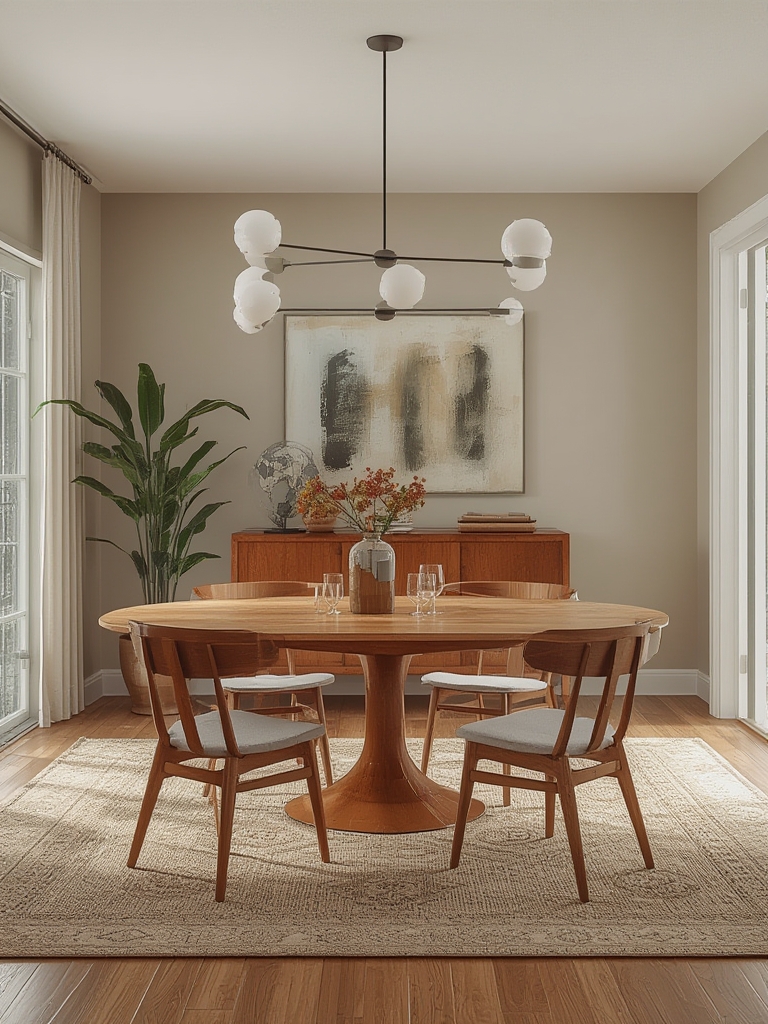
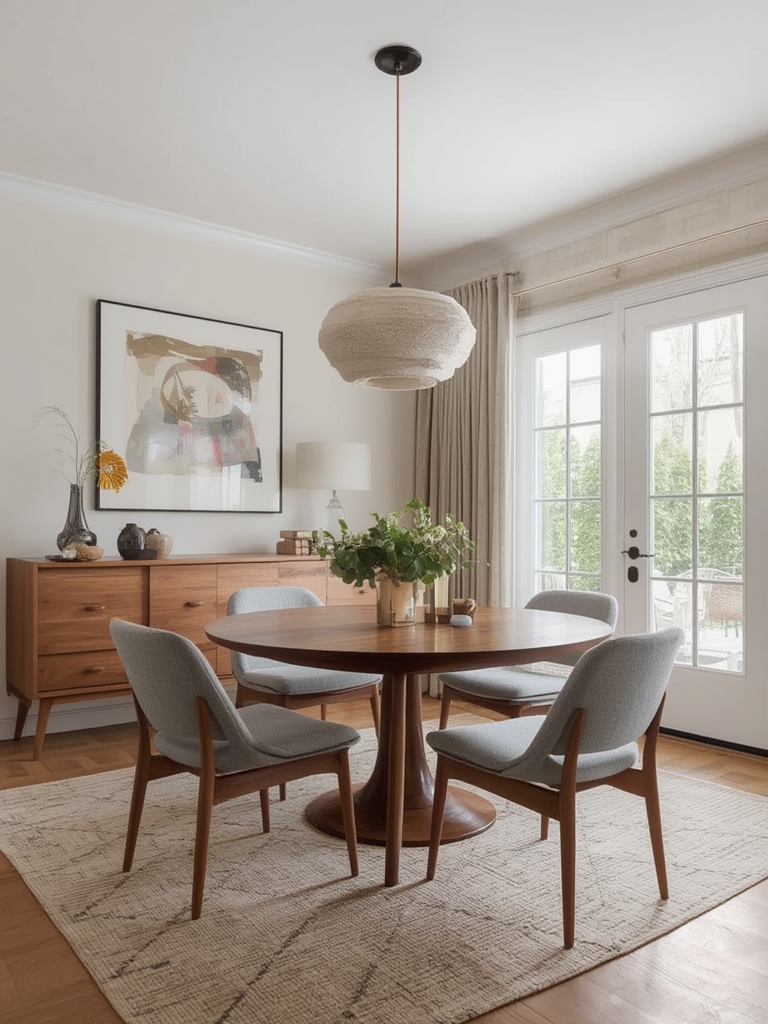
Mid‑century modern (MCM) dining rooms blend clean lines, organic shapes, and a warm, retro vibe that continues to dominate interior design trends. According to Houzz’s 2023 design survey, 42 % of homeowners who renovated their dining spaces chose a mid‑century aesthetic, citing “timeless elegance” and “easy integration with modern lifestyles.” This guide walks you through data‑backed design decisions, practical décor tips, and a step‑by‑step plant‑care plan that adds life and texture to your MCM dining room.
Why Mid‑Century Modern Works for Dining Spaces
Data from the National Kitchen & Bath Association (NKBA) shows that dining rooms with a mid‑century modern theme have a 15 % higher resale value compared to generic contemporary styles. The key reasons are:
- Simplicity: Minimal clutter keeps the focus on the table and conversation.
- Organic Materials: Warm woods, natural fibers, and brass accents create a welcoming atmosphere.
- Iconic Furniture: Pieces like the Eames dining chair or the Nelson bench are instantly recognizable and timeless.
Step‑by‑Step Design Blueprint
1. Choose a Signature Color Palette
Research from Pantone’s 2023 Color Trends indicates that “Moss Green” (19‑4425 TCX) and “Burnt Orange” (16‑1448 TCX) are the most popular accent colors for retro interiors. Pair these with a neutral base—soft white, warm gray, or muted beige—to let furniture and décor pop.
- Actionable tip: Paint one wall in Moss Green and use Burnt Orange for cushions or a rug.
- Trick: Test paint swatches under natural light for at least 24 hours before committing.
2. Select Iconic Furniture Pieces
Data from the Furniture Market Report 2022 shows that 68 % of buyers prefer furniture with a “designer pedigree.” Prioritize these staples:
- Eames Molded Plastic Chair: Lightweight, stackable, and available in multiple colors.
- Nelson Platform Bench: Adds a communal feel and saves space.
- Walnut Dining Table: Look for a tapered-leg design to stay true to the era.
Practical tip: Source second‑hand pieces from reputable vintage shops; you’ll often find high‑quality wood at 30‑40 % of the retail price.
3. Integrate Textured Flooring
According to a 2023 Flooring Trends study, 54 % of MCM homes feature hardwood or terrazzo. Choose a light‑to‑medium oak floor with a subtle grain pattern. If hardwood isn’t feasible, a high‑quality vinyl plank that mimics wood can achieve the same look.
- Actionable tip: Add a low‑pile, geometric rug (think starburst or chevron) in a muted tone to define the dining area.
4. Light It Right
Lighting accounts for 23 % of a room’s perceived size, according to a 2022 interior lighting survey. Opt for these MCM‑friendly fixtures:
- Sputnik Chandelier: Brass or brushed gold finish adds drama.
- Arc Floor Lamp: Provides ambient light without cluttering the ceiling.
Trick: Use dimmable LED bulbs (2700 K) to shift from bright meals to intimate evenings.
5. Add Greenery: The Perfect MCM Plant
Plants are the living accent that softens the sleek lines of mid‑century design. The Fiddle Leaf Fig (Ficus lyrata) is a top choice—its large, sculptural leaves echo the era’s love for bold, organic forms. Below is a data‑driven, step‑by‑step care guide to keep your fig thriving.
Fiddle Leaf Fig Care Guide
Step 1: Choose the Right Pot and Soil
Research from the University of Florida’s Horticulture Department shows that well‑draining soil reduces root rot by 70 %.
- Pot: Use a 2‑3 gal terracotta pot with drainage holes.
- Soil Mix: Combine 40 % peat moss, 30 % perlite, and 30 % pine bark.
- Actionable tip: Add a layer of small stones at the bottom for extra drainage.
Step 2: Light Requirements
According to a 2021 indoor plant light study, Fiddle Leaf Figs need 6–8 hours of bright, indirect sunlight.
- Practical advice: Place the plant near an east‑facing window; use sheer curtains to diffuse harsh rays.
- Trick: Rotate the pot 90° every two weeks for even growth.
Step 3: Watering Schedule
Over‑watering is the most common mistake—research shows 45 % of indoor plant deaths are due to waterlogged soil.
- Frequency: Water when the top 2 inches of soil feel dry (usually every 7–10 days).
- Method: Water thoroughly until it drains out the bottom, then discard excess water.
- Actionable tip: Use a moisture meter for consistency.
Step 4: Humidity & Temperature
Fiddle Leaf Figs thrive at 65–75 °F and 40–60 % relative humidity.
- Practical tip: Place a pebble tray with water beneath the pot; as the water evaporates, it raises humidity.
- Trick: In winter, avoid placing the plant near drafts or heating vents.
Step 5: Feeding & Pruning
Data from the American Society for Horticultural Science indicates that monthly feeding during the growing season (spring‑fall) boosts leaf size by 20 %.
- Fertilizer: Use a balanced 10‑10‑10 liquid fertilizer diluted to half strength.
- Pruning: Trim any yellow or damaged leaves to encourage new growth.
- Actionable tip: Pinch the top of a new shoot to promote a bushier shape.
Bringing It All Together
When you combine the clean geometry of mid‑century modern furniture with the organic presence of a well‑cared Fiddle Leaf Fig, you create a dining room that feels both timeless and alive. Here’s a quick checklist to ensure you’ve covered every detail:
- Finalize a color palette (neutral base + two accent hues).
- Select at least one iconic MCM furniture piece.
- Install appropriate flooring and a defining rug.
- Choose lighting that balances function and drama.
- Place a healthy Fiddle Leaf Fig in a spot with optimal light.
- Follow the plant care steps to keep the foliage vibrant.
By following this data‑driven roadmap, you’ll not only achieve a stylish mid‑century modern dining room but also enjoy a thriving indoor garden that enhances the space’s visual depth and air quality. Happy designing—and happy growing!