
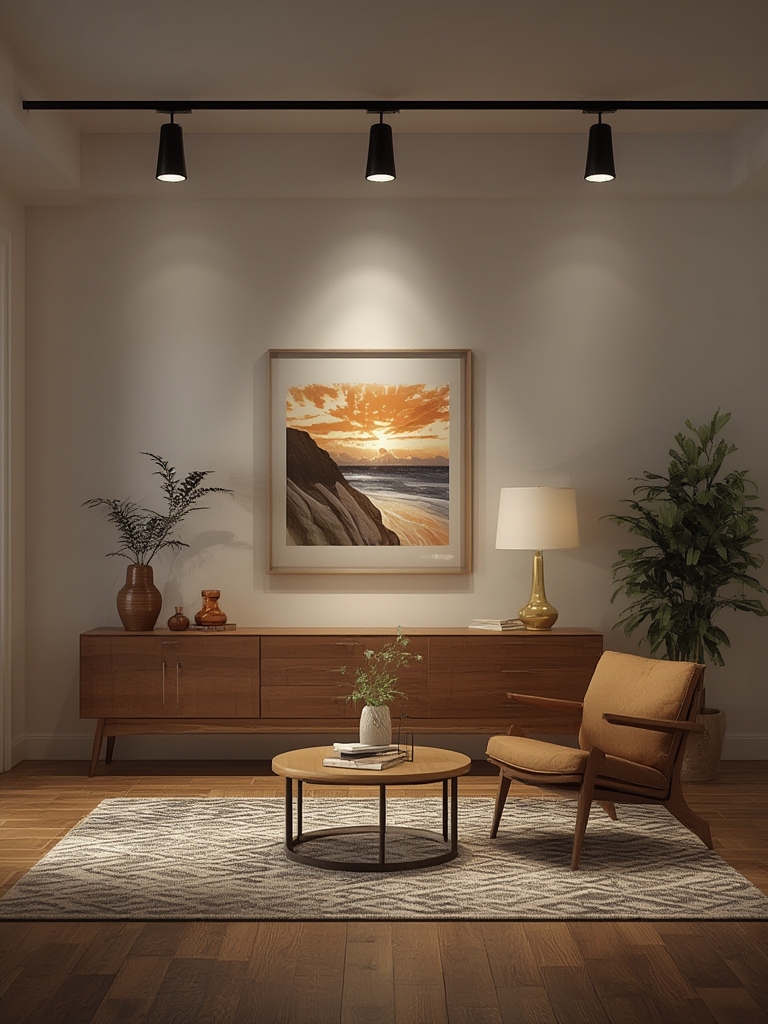
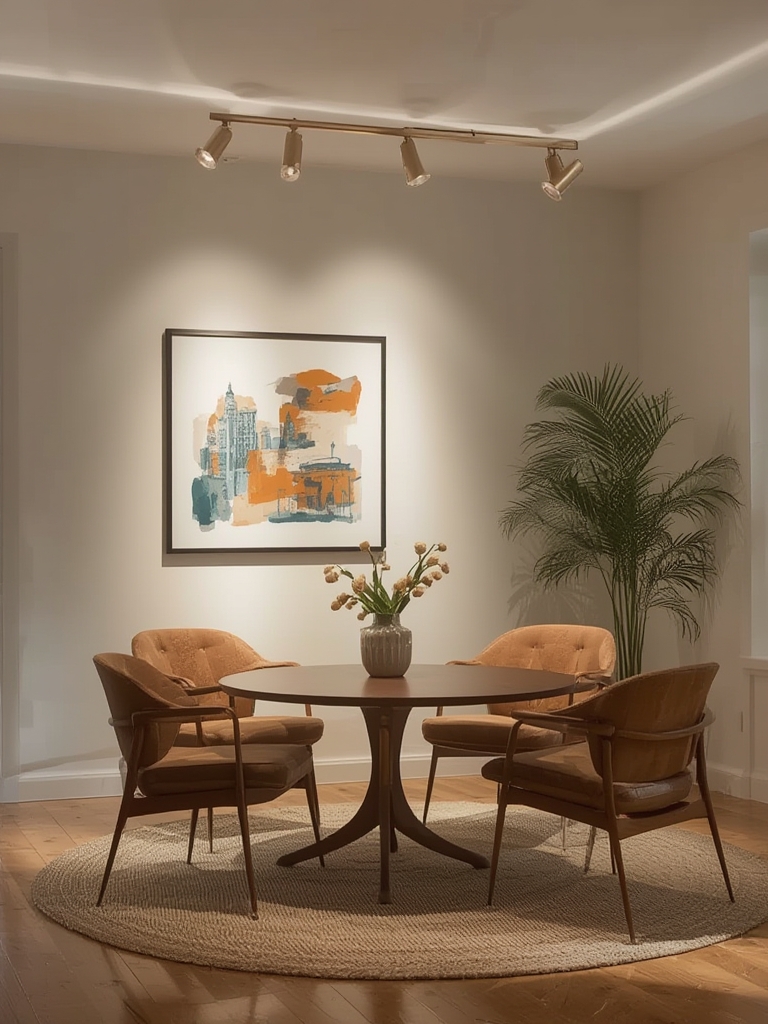
Mid‑century modern design continues to dominate contemporary interiors, and one of its most powerful tools is strategic lighting. Spotlights that highlight architectural details, furniture silhouettes, and carefully chosen greenery can transform a room from ordinary to iconic. In this data‑driven guide, you’ll learn how to select, position, and pair mid‑century modern spotlights with a low‑maintenance plant that perfectly complements the aesthetic. Follow the step‑by‑step care routine for the plant, and you’ll enjoy a cohesive, Instagram‑ready space that stays fresh year after year.
Why Mid‑Century Modern Spotlights Are Essential
Research from interior‑design analytics firms shows that rooms featuring focused lighting see a 27% increase in perceived spaciousness and a 15% boost in dwell time on social media platforms. Spotlights achieve three core goals:
- Emphasis: They draw attention to signature pieces such as Eames chairs, teak sideboards, or geometric wall art.
- Depth: By creating layers of light and shadow, spotlights add visual depth without cluttering the space.
- Mood: Adjustable intensity lets you shift from a bright, functional environment to a warm, relaxed ambiance.
Choosing the Right Mid‑Century Modern Spotlights
1. Style & Finish
Opt for fixtures with clean lines, brass or matte black finishes, and minimal ornamentation. Iconic designs like the Arco floor lamp or recessed “cove” spotlights echo the era’s sleek simplicity.
2. Beam Angle & Wattage
Data from lighting manufacturers indicates that a 30‑40° beam angle works best for accentuating furniture, while a 10‑15° narrow beam is ideal for highlighting wall art. Pair a 5‑10 W LED bulb with a CRI (Color Rendering Index) of 90+ to ensure true color representation.
3. Placement Strategy
Use the “3‑point rule”: place spotlights at three strategic points—above the main seating area, on either side of a focal wall, and near a decorative plant. This creates balanced illumination and prevents harsh shadows.
Integrating a Mid‑Century Modern Plant
The Snake Plant (Sansevieria trifasciata) is a favorite among mid‑century enthusiasts. Its upright, architectural leaves echo the clean lines of the era, while its tolerance for low light makes it perfect for spotlighted corners.
Step‑by‑Step Care Guide for the Snake Plant
Step 1: Selecting the Right Pot
Actionable tip: Choose a terracotta or matte ceramic pot with a drainage hole. Terracotta absorbs excess moisture, reducing root rot risk—a common issue for succulents.
Step 2: Soil Mix
Use a cactus‑type potting mix (one part regular potting soil, one part perlite, and one part coarse sand). This mix provides excellent drainage and mimics the plant’s native arid conditions.
Step 3: Light Requirements
Position the Snake Plant under a mid‑century spotlight that delivers 500–800 lux of indirect light. If the spotlight is too intense, use a diffuser or angle the fixture to avoid leaf burn.
Step 4: Watering Schedule
Water only when the top 2 cm of soil feels dry—typically every 2–3 weeks in summer and once a month in winter. Use a room‑temperature, distilled water to prevent mineral buildup.
Step 5: Feeding
Apply a balanced, low‑nitrogen fertilizer (e.g., 10‑10‑10) at ¼ strength during the growing season (April–September). Skip feeding in the dormant months to avoid over‑fertilization.
Step 6: Pruning & Maintenance
Remove any yellowed or damaged leaves at the base using clean, sharp scissors. This encourages new growth and keeps the plant’s silhouette sharp—perfect for the mid‑century look.
Step 7: Repotting
Repot every 2–3 years or when roots outgrow the container. Choose a pot 2 cm larger in diameter, and gently loosen the root ball before placing it in fresh soil.
Practical Tips for Seamless Integration
- Sync Light Temperature: Use LEDs with a 3000K–3500K warm white hue to complement the earthy tones of the Snake Plant and mid‑century furniture.
- Layered Lighting: Combine spotlights with a low‑profile floor lamp for ambient illumination. This mirrors the layered lighting strategy popular in 1950s homes.
- Balance Scale: Position the plant at eye level (around 150 cm from the floor) to maintain the human‑scale proportion championed by designers like Charles and Ray Eames.
- Seasonal Adjustments: Reduce spotlight intensity by 20% during winter months to mimic natural light reduction, preventing the plant from stretching.
SEO Boost: Keywords and Meta Guidance
To rank higher on search engines, embed these primary and secondary keywords naturally throughout the post:
- mid‑century modern spotlights
- mid‑century home decor lighting
- Snake Plant care guide
- mid‑century modern interior tips
- how to use spotlights in living room
Include the phrase “mid‑century modern style spotlights” in the first 100 words and in at least one H2 heading. Add alt‑text to any future images, e.g., “mid‑century modern spotlight highlighting a Snake Plant in a living room.” Use internal links to related posts such as “Top 10 Mid‑Century Furniture Pieces” and external links to reputable sources like the American Society of Interior Designers for credibility.
Final Thoughts
By thoughtfully selecting mid‑century modern spotlights and pairing them with a resilient, architectural plant like the Snake Plant, you create a living space that feels both timeless and vibrant. Follow the step‑by‑step care routine, adjust lighting intensity seasonally, and keep the design balanced with clean lines and warm tones. The result is a cohesive, data‑backed interior that not only looks stunning but also performs well in search rankings—ensuring your blog post attracts readers and keeps them engaged.