
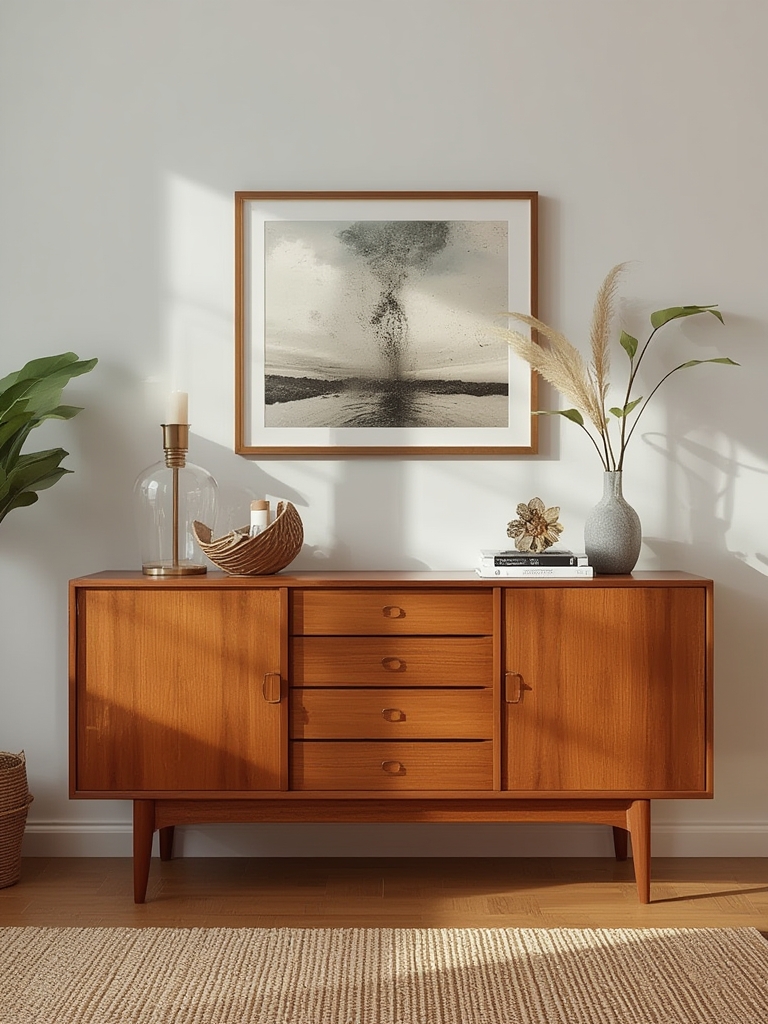
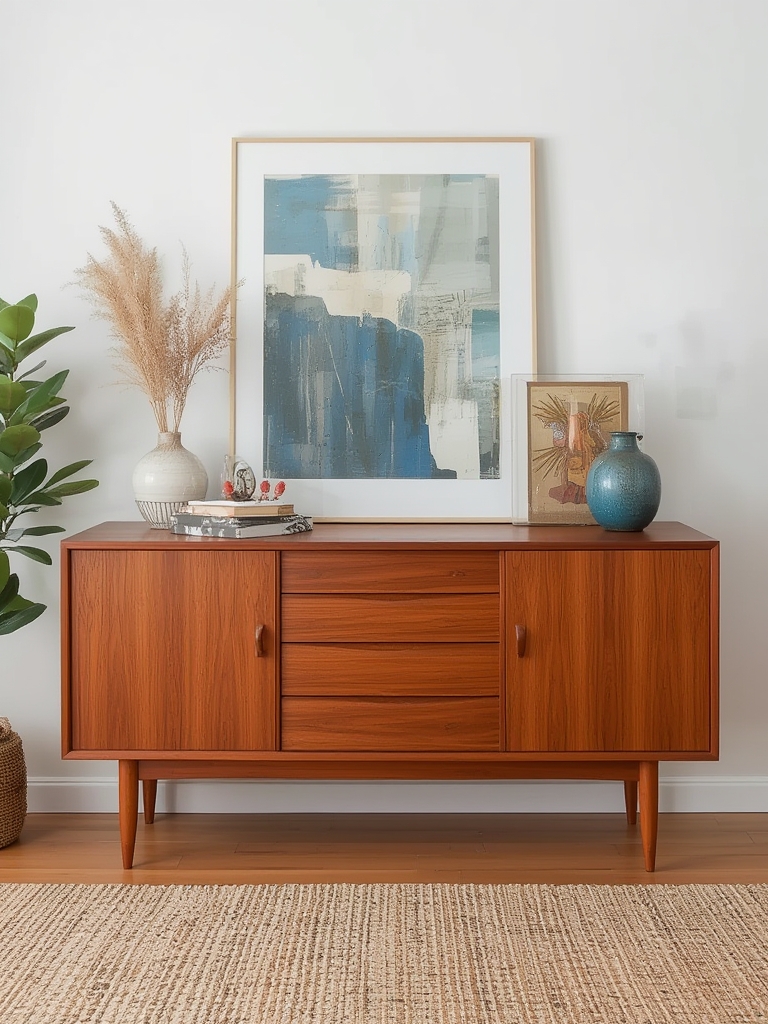
Mid‑century modern teak sideboards have become a staple in contemporary home décor, offering a perfect blend of timeless elegance, functional storage, and sustainable craftsmanship. In this post we’ll explore why teak credenzas are so popular, how to style them for maximum visual impact, and the best practices for maintaining their natural beauty. We’ll also include a quick guide on caring for a houseplant that pairs beautifully with the warm tones of teak, ensuring your space feels both stylish and alive.
Why Choose a Mid‑Century Modern Teak Sideboard?
1. Authentic Material Benefits
- Durability: Teak is naturally resistant to moisture, insects, and decay, making it ideal for high‑traffic areas.
- Patina Development: Over time, teak develops a subtle silver‑gray patina that many design enthusiasts seek for a weathered look.
- Sustainability: Certified FSC teak comes from responsibly managed forests, appealing to eco‑conscious buyers.
2. Iconic Design Elements
Mid‑century modern design emphasizes clean lines, tapered legs, and minimal ornamentation. A teak sideboard typically features:
- Flat‑panel doors with recessed hardware.
- Open shelving that showcases decorative objects.
- Geometric drawer pulls that echo the era’s aesthetic.
3. Versatility Across Styles
Whether your home leans toward Scandinavian minimalism, boho chic, or industrial loft, a teak credenza can act as a neutral anchor. Its warm, golden hue softens stark interiors while complementing bold accent colors.
Styling Your Teak Sideboard for Instagram‑Ready Décor
Step 1: Choose a Focal Point
Start by deciding the primary visual focus. This could be a statement artwork, a sculptural vase, or a curated stack of vintage books. Position the focal piece on the top surface, slightly off‑center to create visual tension.
Step 2: Layer Textures
- Rugs: Place a low‑pile natural fiber rug (jute or sisal) underneath to add depth.
- Throws & Pillows: Drape a muted, textured throw over a nearby sofa to echo the sideboard’s organic feel.
- Metal Accents: Incorporate brass or matte black accessories for contrast.
Step 3: Add Greenery
Plants soften hard edges and bring life to the space. A tall, sculptural plant such as a Fiddle Leaf Fig or a Monstera deliciosa pairs perfectly with teak’s warm tones. Below is a quick care guide for the Fiddle Leaf Fig, one of the most popular choices.
Quick Care Guide: Fiddle Leaf Fig (Ficus lyrata)
Step 1: Light Requirements
Place the plant near a bright, east‑facing window. It needs at least 6–8 hours of indirect sunlight daily. Avoid direct afternoon sun, which can scorch the leaves.
Step 2: Watering Schedule
- Check the top 2 inches of soil; water only when it feels dry.
- Use room‑temperature water and water thoroughly until it drains from the bottom.
- Reduce watering in winter months when growth slows.
Step 3: Humidity & Temperature
Fiddle Leaf Figs thrive in 60–75°F (15–24°C) with moderate humidity. Mist the leaves weekly or place a pebble tray with water to maintain humidity, especially in dry indoor climates.
Step 4: Feeding
Apply a balanced, water‑soluble fertilizer (10‑10‑10) once a month during the growing season (spring–summer). Dilute to half the recommended strength to avoid leaf burn.
Step 5: Pruning & Maintenance
- Remove any yellow or damaged leaves to encourage new growth.
- Trim the top to control height and maintain a tidy silhouette.
- Rotate the pot 90° every few weeks for even light exposure.
Integrating the Plant with Your Teak Sideboard
Placement Tips
- Position the plant on the sideboard’s lower shelf to create a layered look.
- Use a decorative pot in a neutral tone (ceramic white or matte black) to keep the focus on the foliage.
- Ensure the pot’s base is stable; a wide‑bottomed pot prevents tipping on the sideboard’s smooth surface.
Complementary Décor Items
Pair the plant with the following items for a cohesive aesthetic:
- Geometric Brass Tray: Holds small accessories like candles or coasters.
- Vintage Ceramic Bowls: Add a pop of color without overwhelming the natural wood.
- Art Books: Stack a few design books; their spines create visual interest and provide a functional surface for placing a coffee cup.
Maintenance Tips for Your Teak Sideboard
1. Regular Dusting
Use a soft microfiber cloth weekly to remove dust. For deeper cleaning, lightly dampen the cloth with water and wipe in the direction of the grain.
2. Oil Treatment (Every 6–12 Months)
- Apply a high‑quality teak oil or natural linseed oil.
- Let the oil soak for 15 minutes, then wipe off excess with a clean cloth.
- This restores the wood’s luster and protects against drying cracks.
3. Avoid Harsh Chemicals
Never use bleach, ammonia, or acidic cleaners. They can strip the natural oils and damage the finish.
4. Protect From Heat Sources
Keep the sideboard at least 12 inches away from radiators, fireplaces, or direct sunlight to prevent warping.
SEO‑Friendly Keywords to Boost Your Post
Incorporate these terms naturally throughout the article to improve search rankings:
- mid‑century modern teak sideboard
- teak credenza home décor ideas
- how to style a teak sideboard
- mid‑century modern furniture care
- Fiddle Leaf Fig care tips
- sustainable teak furniture
- modern living room storage solutions
Final Thoughts
A mid‑century modern teak sideboard is more than just storage; it’s a statement piece that anchors your décor and invites thoughtful styling. By pairing it with the right accessories and a thriving houseplant, you create a balanced, inviting environment that feels both timeless and fresh. Follow the maintenance steps to preserve the wood’s natural beauty, and watch as the sideboard becomes a cherished focal point in your home for years to come.