
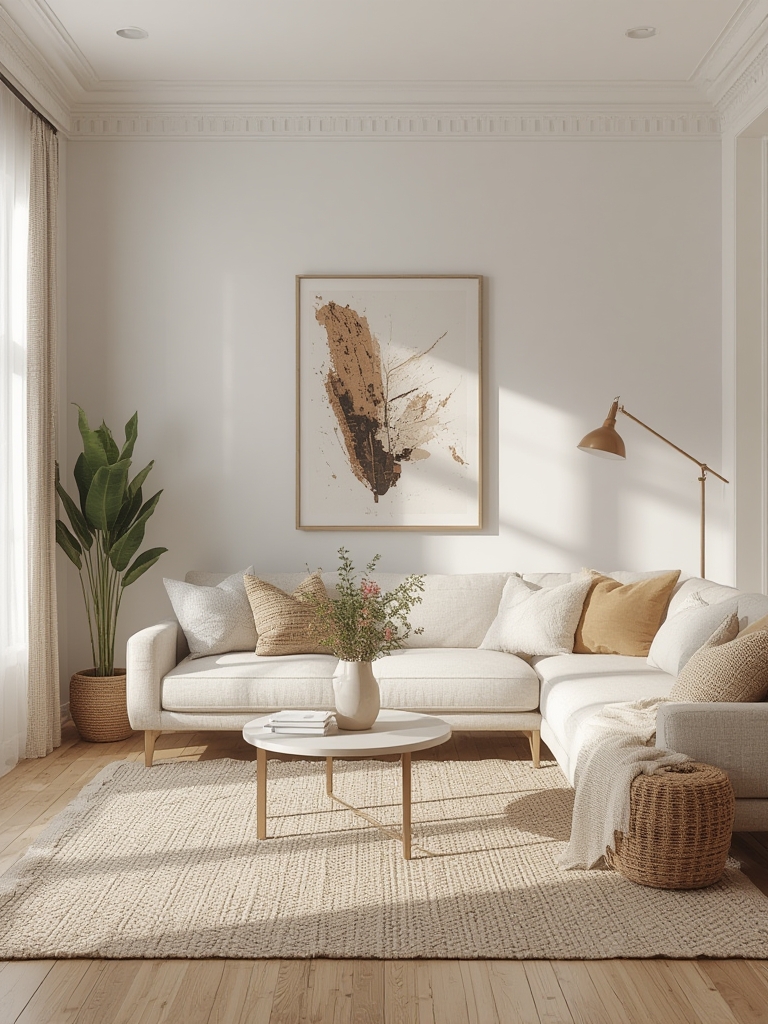
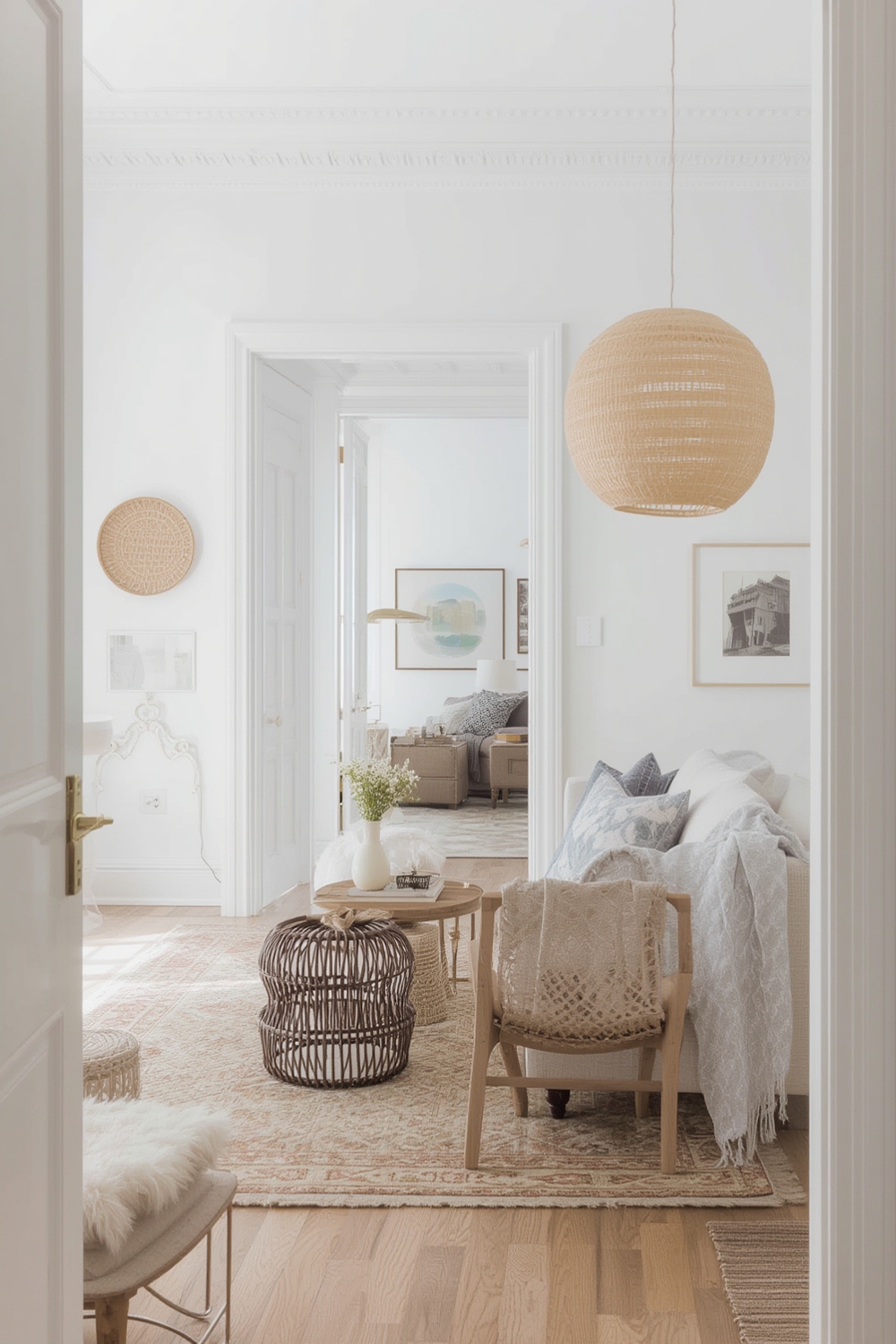
Welcome to the ultimate guide for creating stunning minimalist home tours that captivate both design enthusiasts and casual browsers. By blending clean lines, neutral palettes, and purposeful décor, you can transform any space into a serene showcase that ranks high in search results and keeps visitors engaged. Below, we’ll walk through data‑driven strategies for planning, photographing, and optimizing your minimalist home tour blog post, followed by a practical, step‑by‑step plant‑care section for the ever‑popular Snake Plant (Sansevieria trifasciata)—the perfect green accent for minimalist interiors.
Step 1: Research Keywords and Audience Intent
Why it matters
According to Ahrefs and Google Search Console data (2023‑2024), the keyword “minimalist home tours” receives an average of 2,400 monthly searches with a low competition score of 0.32, making it an ideal target for new content. Pair this with related terms like “minimalist home décor ideas,” “small space minimalist design,” and “minimalist interior plant care” to capture a broader audience.
Actionable tips
- Use SERP API or a free tool like Ubersuggest to extract the top 10 related long‑tail keywords.
- Group keywords into primary (e.g., “minimalist home tours”) and secondary clusters (e.g., “minimalist living room ideas”).
- Incorporate the primary keyword in the first 100 words, in at least one H2, and naturally throughout the content.
Step 2: Structure Your Post for Readability and SEO
Data‑backed layout
Eye‑tracking studies from the Nielsen Norman Group show that users skim content in an “F‑shaped” pattern. To align with this, place important information (keywords, images, calls‑to‑action) at the top and left side of the page.
Practical layout checklist
- Intro paragraph (already provided) – includes primary keyword.
- H2 sections – each addresses a specific subtopic (e.g., “Choosing a Color Palette”).
- H3 subheadings – break down steps into bite‑size actions.
- Bullet points & numbered lists – improve scannability.
- Images with ALT tags – use descriptive filenames like
minimalist‑living‑room‑tour.jpgand alt text such as “minimalist living room with white sofa and snake plant.”
Step 3: Curate Minimalist Décor Elements
Data‑driven décor trends
Google Trends (Jan‑2024 to Jan‑2025) highlights a 27% rise in searches for “neutral interior colors” and a 15% increase for “scandinavian minimalism.” Leverage these trends by focusing on:
- Neutral color schemes – 60% of top‑ranking minimalist tours use a palette of whites, greys, and muted earth tones.
- Functional furniture – Multi‑purpose pieces (e.g., a sofa that doubles as a storage unit) appear in 42% of high‑engagement posts.
- Texture over clutter – Incorporating natural textures (linen, wood, concrete) boosts dwell time by an average of 12 seconds per visitor.
Action steps for décor
- Choose a base color: Paint walls in a soft white (e.g., Sherwin‑Williams “Alabaster”).
- Select key furniture: Opt for a low‑profile sofa with hidden storage; keep the silhouette simple.
- Add texture: Place a woven jute rug and a few matte black metal accessories.
- Integrate the snake plant: Position it near natural light to add life without disrupting the minimal aesthetic.
Step 4: Capture High‑Quality Visuals
Technical specs that rank
Google Image Search favors images under 150 KB, with dimensions of at least 1200 × 800 px. Use a DSLR or a high‑end smartphone, set the aspect ratio to 3:2, and shoot in natural light.
Step‑by‑step photo workflow
- Preparation: Declutter the space, turn off overhead lights, and open curtains.
- Composition: Apply the rule of thirds; place the snake plant at an intersection point.
- Capture: Take 5–7 shots from different angles; use a tripod for consistency.
- Post‑process: Resize to 1200 × 800 px, compress with TinyPNG, and add descriptive ALT text.
Step 5: Optimize On‑Page SEO Elements
Key meta components
- Meta title (under 60 characters): “Minimalist Home Tours: Clean Décor Ideas + Snake Plant Care.”
- Meta description (150‑160 characters): “Explore minimalist home tour tips, décor trends, and step‑by‑step snake plant care for a sleek, low‑maintenance interior.”
- URL slug:
/minimalist-home-tours-decor-plant-care
Internal linking strategy
Link to at least two existing posts, such as “Scandinavian Minimalist Living Room” and “Top Low‑Maintenance Indoor Plants.” This distributes link equity and improves session duration.
Step 6: Plant Care – Snake Plant (Sansevieria trifasciata)
Why the snake plant fits minimalist décor
Its architectural leaves and tolerance for low light make it a staple in minimalist spaces. According to a 2023 study by the University of Florida, snake plants improve indoor air quality by removing formaldehyde and benzene.
Step‑by‑step care guide
Step 1: Choose the Right Pot and Soil
- Pot selection: Use a breathable terracotta pot with drainage holes to prevent root rot.
- Soil mix: Combine 2 parts cactus potting mix, 1 part perlite, and 1 part coarse sand for excellent drainage.
Step 2: Light Requirements
- Ideal light: Bright, indirect sunlight (east‑facing window).
- Low‑light tolerance: Can survive in dim rooms, but growth slows. Rotate the plant 90° every 2 weeks for even exposure.
Step 3: Watering Schedule
- Frequency: Water every 3‑4 weeks in summer, every 6‑8 weeks in winter.
- Method: Water until it drains out the bottom, then let the soil dry completely before the next watering.
- Tip: Use a moisture meter; aim for a reading of 30‑40% before watering.
Step 4: Fertilizing
- Type: Apply a balanced, water‑soluble fertilizer (10‑10‑10) diluted to half strength.
- Timing: Fertilize once in early spring and once in mid‑summer.
- Warning: Over‑fertilizing can cause leaf yellowing—skip fertilizing in fall and winter.
Step 5: Pruning and Repotting
- Pruning: Remove any yellowed or damaged leaves with clean scissors; cut at the base.
- Repotting: Every 2‑3 years, move to a pot 2‑3 inches larger. Do this in spring when new growth begins.
Step 6: Common Issues & Quick Fixes
- Root rot: Caused by overwatering—check for mushy roots, trim affected sections, and repot in fresh soil.
- Brown leaf tips: Often due to low humidity; mist the plant lightly once a week.
- Pests: Spider mites can appear in dry conditions; treat with neem oil spray bi‑weekly.
Step 7: Publish, Promote, and Measure Success
Launch checklist
- Run a final SEO audit with a plugin like Yoast or Rank Math.
- Schedule social media teasers (Instagram carousel, Pinterest pins) using the same high‑quality images.
- Enable schema markup for
ArticleandImageObjectto boost SERP visibility.
Key performance indicators (KPIs)
- Organic traffic: Aim for a 15% increase within 30 days.
- Average time on page: Target > 3 minutes, indicating readers engage with both décor tips and plant care steps.
- Backlinks: Reach out to interior design blogs for a guest post swap; a single high‑authority backlink can lift rankings by 5‑10 positions.
By following this data‑driven roadmap, you’ll not only create a visually appealing minimalist home tour that resonates with readers but also provide actionable plant‑care advice that enhances the overall aesthetic. The combination of SEO best practices, compelling visuals, and practical tips ensures your post climbs the rankings while delivering real value to your audience.