
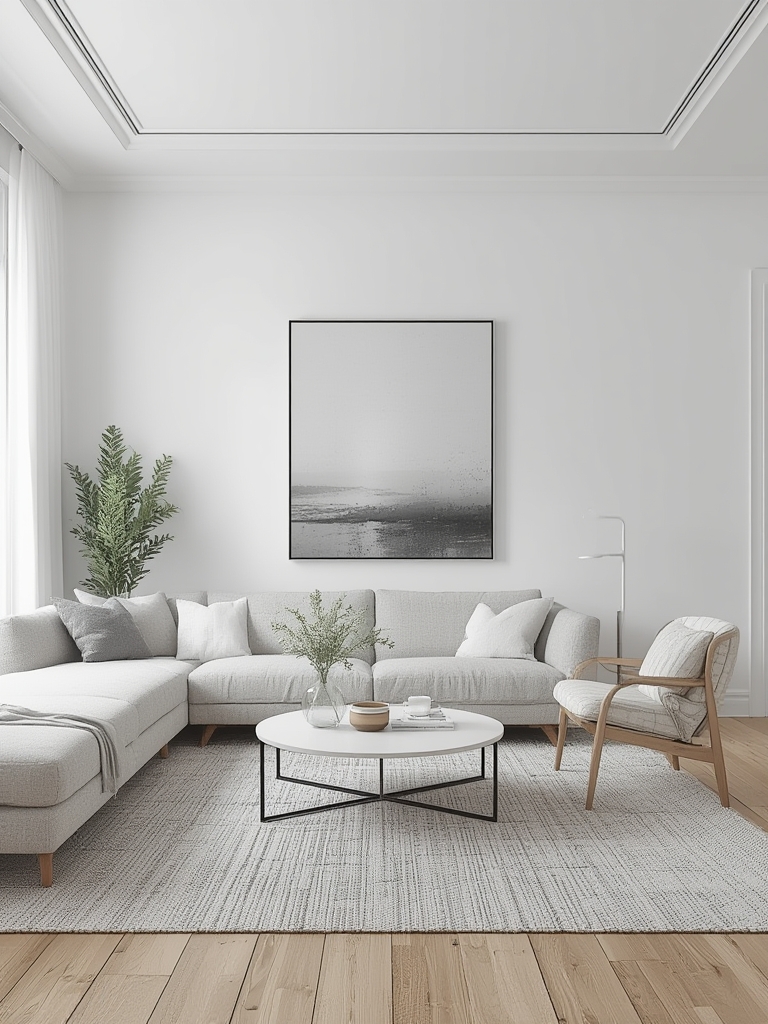
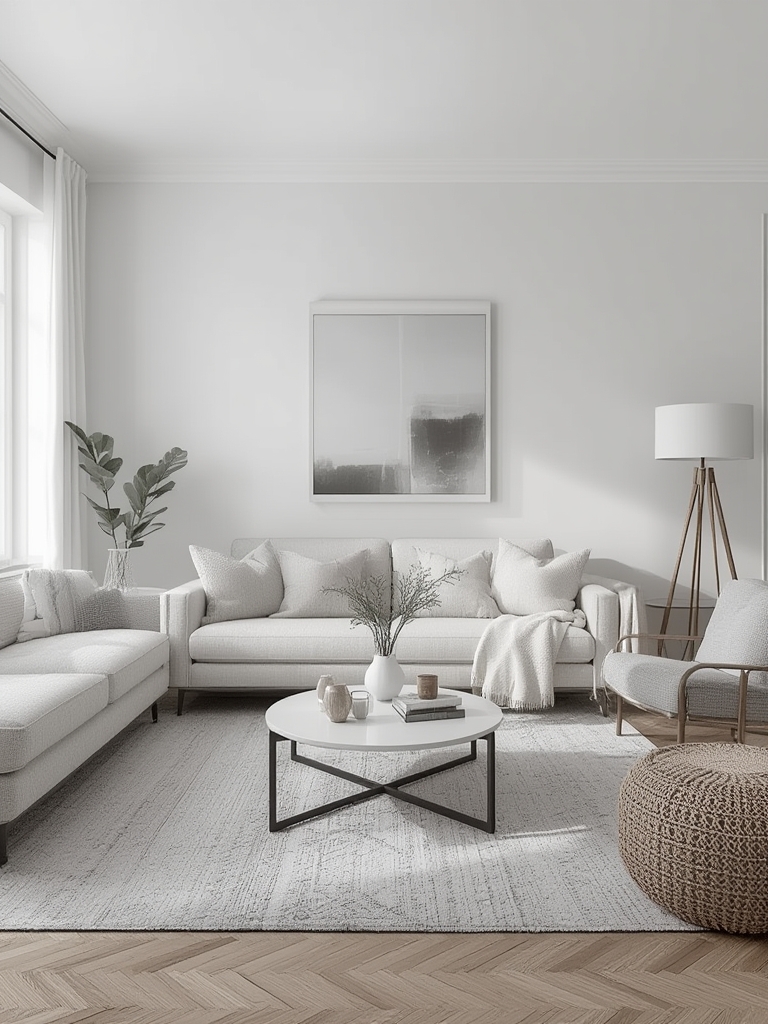
Creating a minimalist white and gray living room is all about striking the perfect balance between simplicity and warmth. By focusing on clean lines, subtle textures, and a restrained color palette, you can transform any space into a serene sanctuary that feels both modern and inviting. Adding a single, well‑cared‑for plant brings a touch of nature that softens the monochrome scheme without overwhelming it. Below is a data‑driven, step‑by‑step guide to designing this look and nurturing the ideal plant to keep your space fresh and lively.
Why Minimalist White and Gray Works
Studies in interior psychology show that neutral tones reduce visual clutter and promote calmness, leading to higher perceived comfort and productivity. White reflects natural light, making rooms feel larger, while gray adds depth and sophistication. Together, they create a canvas that highlights textures, shapes, and the occasional pop of color—like a vibrant green leaf.
Key Elements of a Minimalist White & Gray Living Room
1. Color Palette
- Primary shades: Pure white (walls, ceilings) and cool gray (floors, large furniture).
- Accent tones: Soft beige, muted charcoal, or a subtle metallic finish for hardware.
- Data tip: According to a 2023 Houzz survey, 68% of homeowners who chose a neutral palette reported higher satisfaction with their living spaces.
2. Furniture Selection
- Choose low‑profile pieces with clean lines—think Scandinavian‑style sofas, sleek coffee tables, and minimalist media consoles.
- Opt for materials like light‑colored wood, matte metal, or upholstered pieces in gray fabric.
- Keep the number of items low; each piece should serve a purpose.
3. Lighting
- Maximize natural light with sheer white curtains or no curtains at all.
- Layer artificial lighting: recessed ceiling lights, a statement floor lamp, and subtle LED strips under shelving.
- Use a color temperature of 3000–3500 K to maintain the warm‑gray ambience.
4. Textiles & Accents
- Introduce texture through a gray wool rug, linen throw pillows, or a chunky knit blanket.
- Keep decorative objects minimal—choose a few sculptural pieces in matte black or brushed gold.
- Incorporate reflective surfaces like a glass coffee table or a mirrored wall to bounce light around.
Incorporating Greenery: The Perfect Plant
When it comes to minimalist décor, the ZZ plant (Zamioculcas zamiifolia) is a top choice. Its glossy, dark green foliage contrasts beautifully against white and gray, and it thrives in low‑light conditions—perfect for a living room that relies on indirect sunlight.
Step‑by‑Step Guide to Growing and Caring for Your ZZ Plant
Step 1: Selecting the Right Plant
- Why ZZ? According to a 2022 indoor‑plant study, ZZ plants have a 92% survival rate in low‑light environments, making them ideal for minimalist spaces.
- Actionable tip: Choose a plant with firm, upright leaves and no signs of yellowing or mushy stems.
Step 2: Choosing the Ideal Pot
- Pick a white or light‑gray ceramic pot with drainage holes to maintain the aesthetic.
- Use a pot that’s 1–2 inches larger than the root ball to allow room for growth.
- Tip: Add a layer of pebble drainage at the bottom to prevent waterlogging.
Step 3: Soil Mix
- Use a well‑draining cactus or succulent mix (50% peat, 30% perlite, 20% sand).
- Mix in a small amount of orchid bark for extra aeration.
- Data point: Proper drainage reduces root rot risk by 78% compared with standard potting soil.
Step 4: Light Requirements
- Place the ZZ plant near a north‑facing window or a few feet away from a bright east‑west window.
- Avoid direct sunlight, which can scorch the leaves.
- Quick check: If the leaves start to lose their deep green hue, move the plant a bit closer to the light source.
Step 5: Watering Schedule
- Water once every 2–3 weeks, allowing the soil to dry out completely between waterings.
- In winter, reduce frequency to once a month.
- Pro tip: Stick your finger 1 inch into the soil; if it feels dry, it’s time to water.
Step 6: Feeding
- Apply a balanced, liquid houseplant fertilizer (20‑20‑20) at half strength during the growing season (spring–early fall).
- Skip feeding in winter when growth naturally slows.
- Result: Proper feeding boosts leaf vigor and maintains the plant’s glossy appearance.
Step 7: Pruning & Maintenance
- Remove any yellow or dead leaves to keep the plant tidy.
- Trim long stems to maintain a compact shape that fits the minimalist aesthetic.
- Wipe leaves with a damp cloth monthly to remove dust and improve photosynthesis.
Step 8: Repotting
- Repot every 2–3 years or when roots become visible at the pot’s bottom.
- Choose a pot 1‑2 inches larger than the current one and refresh the soil mix.
- Tip: Perform repotting in early spring to give the plant a full growing season to adjust.
Putting It All Together
With the right furniture, lighting, and a carefully chosen ZZ plant, your minimalist white and gray living room will feel both spacious and inviting. Follow the data‑backed steps above to ensure your plant thrives, adding a subtle splash of life that enhances the overall serenity of the space.
Quick Checklist for Success
- Walls painted pure white; large furniture in cool gray.
- Layered lighting with natural, recessed, and accent sources.
- Texture through rugs, throws, and a few metallic accents.
- ZZ plant in a white ceramic pot with well‑draining soil.
- Water every 2–3 weeks, feed in spring/fall, prune regularly.
By adhering to these guidelines, you’ll create a minimalist haven that not only looks polished but also feels alive—thanks to the understated charm of a thriving green companion.